


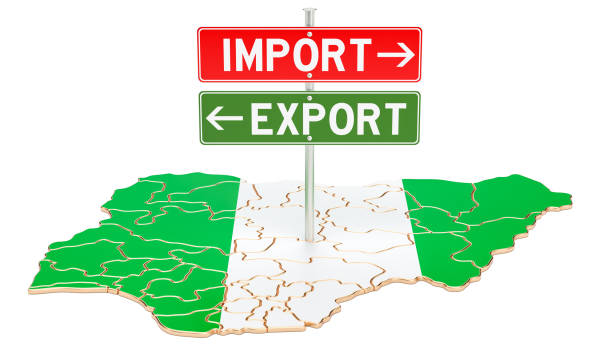
An import export business in Africa can connect local businesses to suppliers, manufacturers and customers across the continent and international markets.
An importer brings goods into a country for resale or business use, while an exporter sells locally produced goods to buyers in another country. A business can also do both, importing certain products while exporting African-made goods.
The opportunity is significant, but successful cross-border trade depends on more than finding a cheap product. Customs, documentation, transportation, currency, product standards, border procedures and market demand all affect whether a shipment is profitable.
The African Union has identified high trade costs, inefficient transport and logistics infrastructure, lengthy customs processes and inconsistent documentation as important barriers to intra-African trade. (African Union Portal)
What Can You Import or Export in Africa?
The right product depends on the markets involved, but African trade businesses commonly deal in categories such as:
- Agricultural products
- Processed foods
- Textiles and clothing
- Beauty products
- Electronics
- Machinery and equipment
- Spare parts
- Building materials
- Household products
- Raw materials
- Packaged consumer goods
For an export business, products with a strong local supply advantage can be particularly interesting. Agricultural and processed products, for example, can serve regional and international buyers when they meet the destination market’s quality and regulatory requirements.
For imports, the focus is usually on products where there is sufficient local demand and where the total landed cost still allows the business to compete.
Start With Market Research
Do not start by ordering a large quantity of goods.
First determine:
- Who will buy the product?
- What price are customers currently paying?
- Who are your competitors?
- Where can you source the product?
- What is the wholesale price?
- How much will transportation cost?
- What customs duties and taxes apply?
- Are there import or export restrictions?
- What margin remains after all costs?
For exports, research the destination country just as carefully. A product that sells well in Nigeria may require different packaging, certification, labelling or pricing in Ghana, Côte d’Ivoire, Kenya, the UK or another market.
Understand Import and Export Requirements
Every country has its own customs and regulatory requirements.
Before shipping, find out:
- Whether the product is permitted
- Required licences or permits
- HS classification
- Applicable customs duties
- Taxes and levies
- Product standards
- Labelling requirements
- Certificates required
- Customs declaration procedures
- Documentation required for transportation
Within Africa, the AfCFTA is intended to make intra-African trade easier, but businesses still need to comply with applicable national customs and regulatory procedures. The African Union has highlighted customs cooperation, harmonised standards and trade facilitation as important parts of making the agreement work effectively. (African Union Portal)
How AfCFTA Can Affect Your Business
The African Continental Free Trade Area creates a framework for increasing trade between African countries.
For an entrepreneur, this can create opportunities to sell products into other African markets rather than relying entirely on domestic customers.
However, AfCFTA does not mean that every product automatically moves across African borders without customs or regulatory requirements.
Rules of origin matter because preferential treatment is generally connected to whether goods qualify as originating under the applicable rules. Businesses should therefore confirm the requirements for their specific product and trade route.
The African Union has also been working on tools such as the AfCFTA e-Tariff Book and electronic certificates of origin to support cross-border trade. (African Union Portal)
Find Reliable Suppliers or Buyers
For imports, supplier verification is essential.
Before paying for a shipment, check:
- Business identity
- Product specifications
- Minimum order quantity
- Production capacity
- References or trading history
- Payment terms
- Shipping arrangements
- Quality-control procedures
For exports, the same principle applies to buyers.
Do not assume that someone who sends a purchase request is automatically a genuine buyer. Verify the company, agree on specifications and payment terms, and understand who is responsible for freight and customs.
For large transactions, proper contracts and appropriate payment protections become increasingly important.
Calculate the Landed Cost
Importers should never calculate profit using the supplier’s price alone.
A basic landed-cost calculation can include:
Product cost + freight + insurance + customs duty + applicable taxes and levies + port/airport charges + clearance + inland transportation + final delivery
For exports, calculate the opposite side of the transaction carefully.
Your export price needs to account for production or sourcing costs, packaging, documentation, transportation to the export point, freight, insurance and other applicable expenses.
The final selling price must leave enough margin after the complete logistics chain is considered.
Choose the Right Shipping Method
Your choice of transportation depends on the product, distance, urgency and shipment size.
Sea Freight
Useful for larger and heavier cargo, particularly international shipments where delivery speed is less important.
Air Freight
Useful for smaller, urgent or high-value shipments where speed is important.
Road Freight
Extremely important for intra-African trade, particularly between neighbouring countries and along major regional corridors.
Multimodal Transport
Some shipments require a combination of sea, road, rail or air transportation.
For example, goods arriving at a Nigerian seaport may continue by road to another country or inland city.
The best option should be based on total cost, reliability and delivery requirements rather than the initial freight rate alone.
Border and Customs Delays
Cross-border trade can be affected by lengthy procedures and differences between national systems.
The African Union has identified challenges including low interoperability between countries, differences in border procedures, inadequate information technology at some border posts, language barriers and limited awareness of AfCFTA rules. (African Union Portal)
This means a trader should research the entire route rather than looking only at the origin and final destination.
A shipment passing through several countries may have additional transit requirements that need to be considered before departure.
Packaging and Product Standards Matter
Exporters sometimes focus heavily on finding buyers and forget that the product itself must meet the destination market’s requirements.
Depending on the product, this can involve:
- Packaging specifications
- Labelling
- Product testing
- Quality certificates
- Health certificates
- Origin documentation
- Safety standards
- Shelf-life requirements
Check these requirements before production or purchasing large quantities.
Changing packaging after goods have already been manufactured can increase costs and cause delays.
Managing Currency Risk
Import and export businesses can be exposed to exchange-rate movements.
An importer paying a foreign supplier in dollars, euros, pounds or another currency needs to consider how exchange-rate changes affect the final naira cost.
Exporters also need to understand how foreign-currency revenue converts back into their operating currency.
When preparing a quotation, allow for reasonable currency fluctuations rather than assuming today’s exchange rate will remain unchanged throughout the transaction.
Keep Your Documentation Organised
International and regional trade can involve several documents.
Depending on the transaction, these may include:
- Commercial invoice
- Packing list
- Certificate of origin
- Bill of lading
- Air waybill
- Customs declaration
- Import or export permits
- Insurance documents
- Product certificates
- Purchase contract
The product description, quantity, value and other key information should be consistent across the relevant documents.
Poor documentation can create delays even when the physical goods are ready to move.
How Travo.ng Can Support Import Export Logistics
Travo.ng can support the transportation and logistics side of an import or export operation where its services are relevant.
For example, an importer may need cargo moved from a Nigerian port to a warehouse, while an exporter may need goods transported from a warehouse or supplier to an airport, seaport or another collection point.
Travo.ng can support relevant cargo transportation, delivery coordination and vehicle-hire requirements, helping businesses manage the movement of goods after sourcing or before final delivery.
Travo.ng is not a customs authority, port operator or replacement for a licensed customs agent. Customs declarations, duties, product approvals and regulatory compliance remain the responsibility of the appropriate authorities and authorised professionals.
Start With One Product and One Route
A new trader does not need to operate across the whole of Africa immediately.
It can be more practical to start with:
One product + one target market + one reliable supplier or buyer + one established logistics route.
For example, a Nigerian business could initially focus on supplying a particular agricultural or manufactured product to one neighbouring market.
This makes it easier to understand customer demand, customs procedures, transportation costs and payment arrangements before expanding.
Common Import Export Business Mistakes
Choosing Products Without Checking Demand
A product can be profitable in one market and difficult to sell in another.
Ignoring the Complete Logistics Cost
Freight, customs, storage and inland transportation can significantly change the final margin.
Using Unverified Suppliers or Buyers
Verify business partners before committing significant money or inventory.
Assuming AfCFTA Removes Every Trade Barrier
Preferential trade arrangements still operate alongside applicable rules of origin, customs procedures and national regulations.
Starting With Too Much Inventory
Test your market and supply chain before making a large commitment.
Ignoring Documentation
Incorrect or incomplete paperwork can delay cargo and increase costs.
Building a Sustainable Import Export Business
The strongest import export businesses are built around repeatable processes.
You need reliable suppliers or buyers, accurate costing, compliant documentation, dependable transportation and a clear understanding of your target market.
Africa’s trade integration agenda is also increasingly focused on improving corridors, customs cooperation, digital systems and transportation connections. The African Union has identified major trade corridors, including the Abidjan-Lagos corridor, as important areas for improving the movement of goods across borders. (African Union Portal)
For entrepreneurs, the opportunity is not simply to buy and sell internationally. It is to build a supply chain that can move products reliably, legally and profitably from the supplier to the final customer.
