


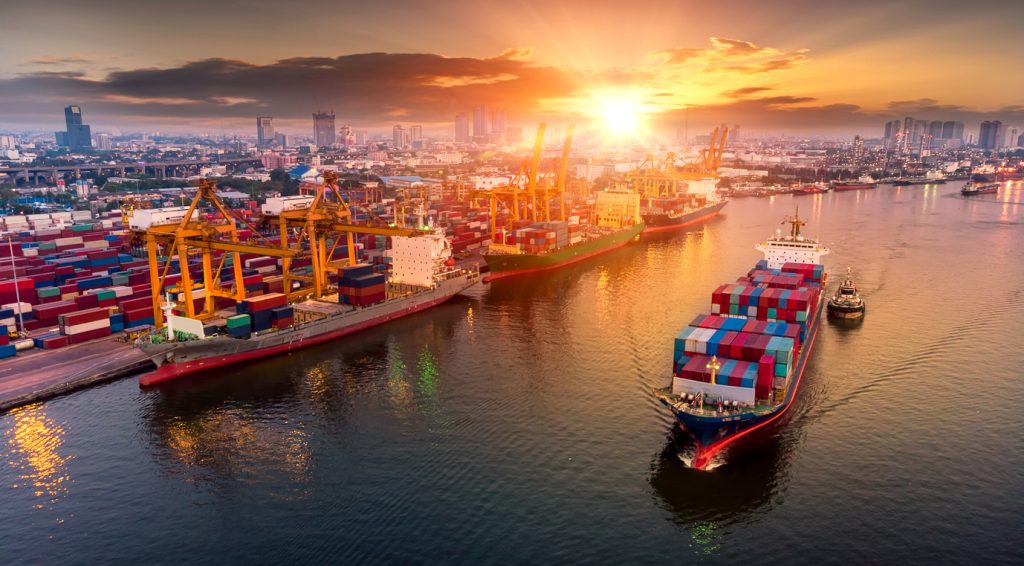
Importing goods into Nigeria involves more than shipping products from another country and paying customs duty when they arrive. Importers must comply with customs procedures, documentation requirements, product-specific regulations and restrictions before their goods can be released.
The Nigeria Customs Service (NCS) is responsible for enforcing import restrictions and prohibitions, assessing and collecting customs duties and taxes, and using risk assessment and inspections to control imported goods. (Nigeria Customs Service)
For businesses importing through Lagos ports, airports or other entry points, understanding the rules before shipment can help prevent avoidable delays and additional costs.
What You Need Before Importing Into Nigeria
A typical commercial import requires proper registration and documentation before the goods arrive.
The NCS’s current customs valuation guidance identifies trader registration and a valid Tax Identification Number (TIN) as important parts of the import process. Customs declarations are handled electronically through the Unified Customs Management System, commonly known as B’Odogwu. (Nigeria Customs Service)
Depending on the goods and transaction, an importer may need documents such as:
- Proforma invoice
- Form M
- Commercial invoice
- Packing list
- Combined Certificate of Value and Origin
- Bill of lading or airway bill
- Applicable product certificates
- Customs declaration documents
- PAAR and other customs assessment documents
The exact documentation depends on the type of goods, their origin, the mode of transportation and the regulatory agencies involved.
Check Whether the Goods Are Allowed
One of the most important import regulations in Nigeria is checking whether the goods are permitted before placing an order.
Nigeria maintains an import prohibition list, and the NCS enforces restrictions and prohibitions as part of its statutory mandate. The Service has also published a revised import prohibition list in 2026. (Nigeria Customs Service)
Some products may not simply be classified as either completely allowed or completely prohibited. Certain goods can require additional approvals, certificates, standards compliance or permits from relevant Nigerian agencies.
This is why an importer should check the requirements for the specific product rather than assuming that a similar shipment cleared successfully in the past will automatically receive the same treatment.
How Customs Determines Import Duty
Import duty is not determined simply by looking at how much an importer paid a supplier.
Nigeria’s customs valuation framework uses the WTO Customs Valuation Agreement, ECOWAS Common External Tariff rules and Nigerian customs legislation. The transaction value is the primary valuation method, subject to the applicable conditions and adjustments. (Nigeria Customs Service)
Certain costs, including transportation to the Nigerian port, loading and handling associated with that transport, insurance, and eligible commissions or brokerage, can form part of the customs value where the legal conditions are met. (Nigeria Customs Service)
The applicable duty rate also depends on the tariff classification of the goods. Importers should therefore establish the correct HS classification rather than estimating duty from the purchase price alone.
Product-Specific Regulations Also Matter
Customs clearance does not mean that every government requirement has been satisfied.
Depending on what is being imported, other Nigerian agencies may have regulatory responsibilities. For example, certain products can require standards certification, health-related approvals, agricultural permits or other sector-specific documentation.
The NCS’s published import procedure guidance identifies documents such as SONCAP certification where applicable, alongside the Form M and commercial shipping documents. (Nigeria Customs Service)
Importers should establish these requirements before the goods leave the exporting country. Discovering that a required certificate is missing after a shipment has arrived can create avoidable delays.
Customs Is Becoming More Digital
Nigeria’s import process is increasingly being handled electronically.
The NCS currently uses B’Odogwu as its Unified Customs Management System for customs procedures, while digital systems are also being developed for specific categories of trade.
For e-commerce shipments, the Simplified Customs Advance Declaration System (SCADS) provides functions including advance declarations, shipment tracking, online payment and risk management. (Customs Portal)
This shift towards digital processing is intended to make customs procedures more structured and improve visibility throughout the clearance process.
For importers, it also means that accurate information submitted electronically is increasingly important.
Keep Your Import Documents Accurate
Incorrect documentation can create problems during customs clearance.
Importers should make sure that information across their commercial invoice, packing list, shipping documents, declaration and other records is consistent.
Pay particular attention to:
- Description of the goods
- Quantity
- Country of origin
- Supplier details
- Declared value
- HS classification
- Shipping information
- Applicable certificates and permits
Customs has authority to test the accuracy of declarations and supporting information. Its current valuation guidance also explains that customs can verify statements, documents and declarations used to establish the value of goods. (Nigeria Customs Service)
What Happens When Cargo Arrives?
Once a shipment arrives in Nigeria, the importer or authorised customs representative completes the required declaration and assessment process.
Depending on the shipment, customs may conduct documentary or physical checks based on its risk-management procedures. Once applicable duties, taxes, fees and other requirements have been satisfied, the cargo can proceed through the release process.
However, customs clearance is only one part of the overall logistics chain.
A container may still need terminal processing, truck scheduling and transportation from the port to a warehouse or final destination.
How Travo.ng Can Help With Import Logistics
Travo.ng can support the transportation and logistics side of an import after, or alongside, the customs process.
For example, a business importing goods through Apapa or Tin Can Island may need transportation from the port to a warehouse in Lagos, followed by onward delivery to Abuja, Ibadan, Kano, Onitsha or another destination.
Travo.ng can support relevant transportation, delivery and logistics coordination around these movements. Businesses may also require vehicle hire or travel arrangements for personnel involved in their operations.
Travo.ng is not a customs authority, customs broker or regulatory agency, so businesses remain responsible for meeting applicable import and clearance requirements. Its role is to support the wider movement of people and goods once the relevant logistics arrangements are needed.
Plan Importation Before the Shipment Leaves
The safest way to approach Nigerian import regulations is to start checking requirements before purchasing or shipping the goods.
A practical sequence is:
- Identify the exact product and HS classification.
- Check whether the product is prohibited or restricted.
- Identify all applicable regulatory approvals.
- Confirm the required customs documents.
- Obtain the necessary pre-shipment documentation.
- Work with an authorised customs representative where appropriate.
- Prepare for customs assessment and possible inspection.
- Arrange transportation and warehouse receiving before cargo is released.
This approach can reduce the risk of a shipment arriving at a Nigerian port before the importer is ready to clear and transport it.
Nigeria’s import system continues to move towards greater digitalisation and stronger risk-based customs controls. For importers, compliance therefore starts before the goods reach the port. Accurate documentation, correct classification and early preparation remain important for keeping cargo movement predictable.
