


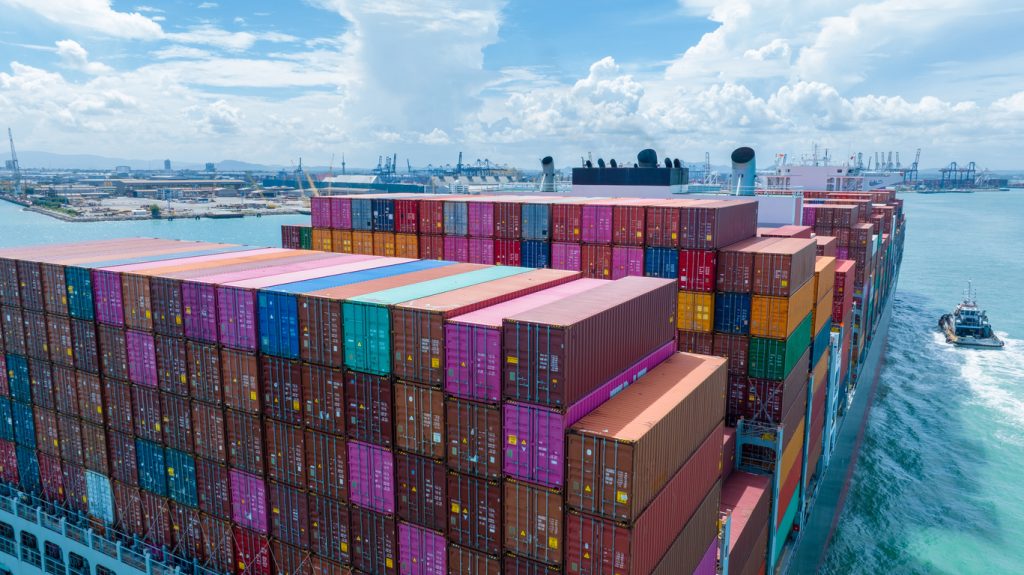
Container haulage companies in Nigeria are the backbone of inland cargo movement. Once a container lands at the port, nothing happens until a haulage truck picks it up and moves it out. This is where delays often begin—or end—depending on how well the logistics is coordinated.
Most container movements start from Nigeria’s busiest ports, especially Apapa Port Complex and Tin Can Island Port, before heading to warehouses in Lagos, Ogun, Abuja, Kano, Port Harcourt, and other commercial hubs.
In real terms, container haulage is not just trucking—it is timing, coordination, and access management in one of Africa’s most congested logistics environments.
What Container Haulage Companies Actually Do
Container haulage companies handle the movement of sealed shipping containers from ports or terminals to final destinations.
Their responsibilities include:
- Picking up containers from Apapa or Tin Can terminals
- Providing trailers for 20ft and 40ft containers
- Coordinating port gate-in and gate-out processes
- Transporting containers across Lagos or interstate routes
- Delivering to warehouses, factories, or distribution centers
- Returning empty containers to designated depots
It is a structured system built around port operations.
Why Container Haulage Is Critical in Nigeria
Container haulage is essential because:
- Containerised sea imports need an inland delivery plan
- Ports cannot store containers for long due to congestion
- Businesses depend on fast clearance-to-delivery movement
- Terminal storage and shipping-line charges can arise after the applicable free period
- Supply chains rely on predictable delivery timelines
Without haulage, containers would remain stuck at the port indefinitely.
Where Most Container Haulage Starts in Nigeria
The main loading points are:
- Apapa Port Complex
- Tin Can Island Port
From these hubs, containers are distributed to:
- Lagos mainland warehouses (Oshodi, Ikeja, Amuwo-Odofin)
- Ogun industrial zones (Ota, Agbara, Abeokuta)
- Abuja and northern distribution centers
- Eastern commercial hubs like Onitsha and Aba
Lagos remains the central dispatch point.
How Container Haulage Works in Practice
A standard container movement process includes:
- Container clearance at the port
- Truck booking and allocation
- Gate pass issuance from terminal authorities
- Container pickup from yard or stack
- Loading onto trailer chassis
- Route transport to destination
- Offloading at warehouse or site
- Return of empty container (if required)
Each step must be carefully timed.
Types of Trucks Used for Container Haulage
Different container sizes require different transport setups:
- 20ft container trailers (short chassis)
- 40ft container trailers (long chassis)
- Flatbed trailers for special cargo adjustments
- Low-bed trailers for heavy or oversized containers
- Multi-axle trucks for weight-heavy loads
Choosing the wrong truck can cause delays or rejection at the terminal.
Real Challenges Facing Container Haulage in Nigeria
Container transport in Nigeria faces real operational issues such as:
- Severe congestion at Apapa and Tin Can ports
- Long queues for truck entry and exit
- Traffic gridlock on Apapa access roads
- High fuel and diesel costs
- Limited truck availability during peak periods
- Delays in port documentation processing
These challenges often increase delivery time and cost.
Why Timing Is Everything in Container Movement
In haulage logistics, timing directly affects cost:
- Storage or demurrage charges may accrue under the applicable terminal and shipping-line terms
- Truck delays reduce warehouse efficiency
- Missed delivery schedules affect business operations
- Storage costs increase quickly with congestion
A one-day delay can significantly increase total logistics expenses.
Common Mistakes in Container Haulage Operations
Many delays happen due to:
- Booking trucks after container clearance
- Poor coordination between clearing agents and haulage providers
- Ignoring port congestion conditions
- Using unverified or unreliable truck operators
- Lack of backup trucks for emergencies
These mistakes often lead to unnecessary delays and extra costs.
Who Needs Container Haulage Services in Nigeria
This service is essential for:
- Importers and wholesalers
- Manufacturing companies
- Construction and engineering firms
- FMCG and retail distributors
- Industrial equipment suppliers
- E-commerce and distribution businesses
Any business importing goods in containers depends on haulage.
How Efficient Container Haulage Should Work
A well-structured system depends on:
- Pre-booked trucks before cargo release
- Real-time coordination with port terminals
- Traffic-aware route planning
- Immediate dispatch after clearance
- Backup trucks for delays or breakdowns
- Continuous communication between all parties
Without structure, containers get stuck even after clearance.
How Travo.ng Supports Container Haulage in Nigeria
Travo.ng provides structured container haulage coordination designed to move goods efficiently from ports to final destinations across Nigeria.
Support typically includes:
- Container pickup from Apapa Port Complex and Tin Can Island Port
- 20ft and 40ft trailer arrangement
- Port gate-out coordination and documentation support
- Inland delivery across Lagos and interstate routes
- Real-time tracking and updates
- Warehouse and factory delivery coordination
- Backup logistics for delays or truck shortages
The focus is on reducing port delays, improving turnaround time, and ensuring containers move quickly after clearance.
For businesses in Nigeria, this means lower demurrage costs, faster delivery, and more reliable supply chains.
Prepare the vehicle and collection brief
For a specific port job, follow the Apapa and Tin Can container haulage guide to confirm releases, access, gross weight and empty return. If you also need a vehicle for machinery or loose cargo, compare truck rental with a driver and trailer services in Lagos to select the equipment and loading support.
