


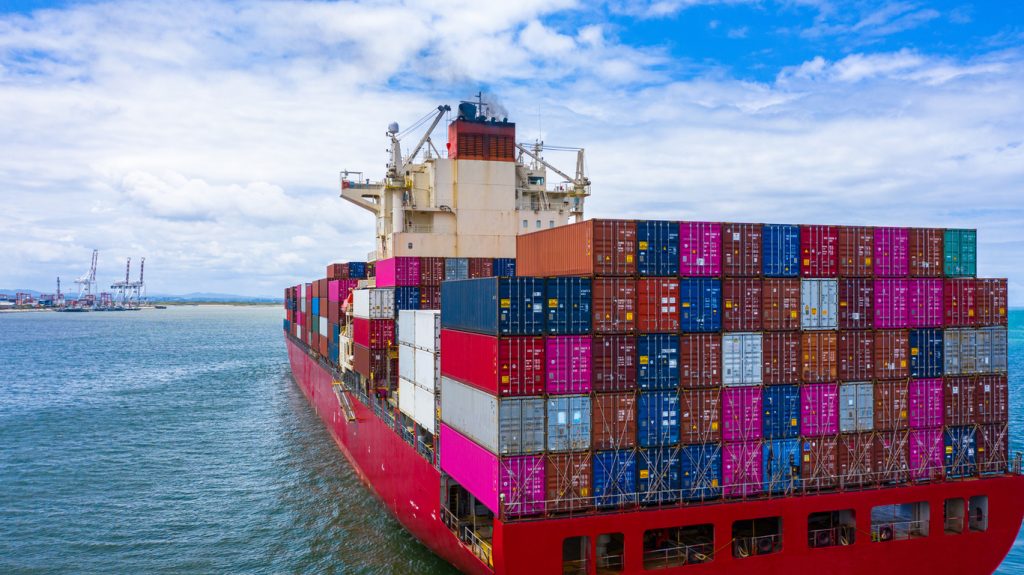
Oversized cargo transport in Nigeria is one of the most specialized areas of logistics. It deals with goods that are too large, too heavy, or too complex to move with standard trucks. Think construction equipment, industrial machines, oil and gas components, or long steel structures.
Most of these movements begin around major logistics hubs like Apapa Port Complex and Tin Can Island Port, before being carefully transported across states under strict planning and safety control.
This is not regular haulage. One wrong route decision or poorly planned movement can lead to delays, road restrictions, or serious damage.
What Oversized Cargo Transport Actually Means
Oversized cargo transport refers to the movement of goods that exceed standard road transport dimensions or weight limits.
In practical terms, it includes:
- Heavy industrial machinery and factory equipment
- Cranes, excavators, and construction equipment
- Oil and gas rigs and components
- Large generators and transformers
- Long steel beams and structural materials
- Oversized vehicles or plant machinery
These loads require special trailers, permits, and route planning.
Why Oversized Cargo Is Difficult in Nigeria
Nigeria’s road infrastructure was not designed for frequent oversized movement, which creates real challenges such as:
- Limited bridge height and weight capacity
- Narrow roads in urban and semi-urban areas
- Traffic congestion in Lagos and major cities
- Road damage and uneven surfaces on highways
- Security checkpoints along interstate routes
- Permit requirements for oversized movement
Because of this, every movement must be carefully planned before departure.
Where Most Oversized Cargo Movement Starts
Most operations begin in Lagos due to port activity and industrial clusters:
- Apapa Port Complex
- Tin Can Island Port
- Industrial zones in Ikeja, Lekki, and Ogun axis
From there, cargo moves to construction sites, factories, or energy project locations across Nigeria.
How Oversized Cargo Transport Works
A properly managed oversized transport operation follows a strict process:
- Cargo assessment (weight, height, width, length)
- Route survey and road feasibility check
- Permit application for special movement approval
- Selection of suitable low-bed or modular trailer
- Loading and securing of cargo
- Escort vehicle coordination (when required)
- Controlled interstate movement
- Delivery and safe offloading
Each stage is critical for safety and compliance.
Types of Vehicles Used for Oversized Cargo
Standard trucks cannot handle oversized cargo. Specialized equipment is used instead:
- Low-bed trailers for tall equipment
- Flatbed trailers for wide machinery
- Extendable trailers for long structures
- Multi-axle trailers for heavy loads
- Modular trailers for extreme industrial cargo
The choice depends on cargo dimensions and route conditions.
Real Challenges in Oversized Cargo Transport in Nigeria
This type of logistics comes with serious operational challenges:
- Route restrictions due to bridge or road limits
- Traffic congestion in urban areas
- Delays in obtaining movement permits
- Poor road conditions on interstate highways
- Need for escort and security coordination
- Fuel and breakdown risks over long distances
Without experience, these challenges can easily cause major delays.
Why Route Planning Is Critical
Oversized cargo cannot take random routes. Planning includes:
- Checking bridge clearance and weight limits
- Avoiding tight city roads
- Scheduling movement during low-traffic hours
- Identifying safe stopping points for long routes
- Coordinating with authorities where necessary
A wrong route choice can stop a shipment completely.
Who Uses Oversized Cargo Transport in Nigeria
This service is essential for:
- Construction companies and contractors
- Oil and gas operators
- Power and energy companies
- Manufacturing and industrial firms
- Government infrastructure projects
- Heavy equipment importers
Any large-scale project depends on it.
Common Mistakes in Oversized Cargo Movement
Many delays happen because of avoidable errors such as:
- No proper route survey before movement
- Using incorrect trailer type
- Ignoring permit requirements
- Poor coordination between stakeholders
- Lack of backup plan for breakdowns or delays
These mistakes can be very costly in heavy logistics.
How Travo.ng Supports Oversized Cargo Transport in Nigeria
Travo.ng provides structured logistics coordination for oversized cargo movement designed to ensure safety, compliance, and smooth delivery.
Support typically includes:
- Cargo pickup coordination from Apapa and Tin Can ports Apapa Port Complex and Tin Can Island Port
- Route planning and road survey coordination
- Permit processing guidance for oversized movement
- Low-bed and specialized trailer arrangement
- Escort and movement coordination where required
- Real-time tracking and logistics updates
- Delivery to construction sites, factories, or industrial zones
- Backup logistics for delays or breakdowns
The focus is on making oversized cargo movement safe, legal, and properly coordinated from start to finish.
For businesses in Nigeria, this means fewer risks, better planning, and more reliable delivery timelines.
