


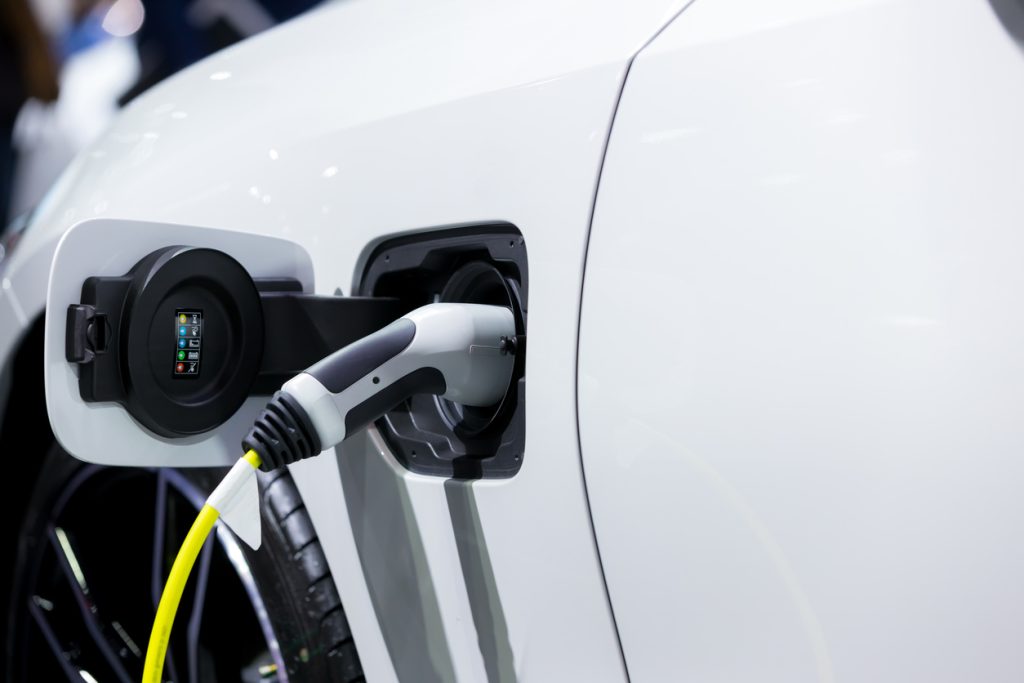
For companies reviewing transport costs, electric cars for office fleet in Nigeria are becoming a more realistic option than they were a few years ago. The attraction is easy to understand: less dependence on petrol, quieter vehicles, simpler day-to-day servicing, and potentially lower running costs for cars that spend most working days on predictable routes.
Nigeria’s EV market is still developing, but adoption is expanding among commercial fleets and other high-use vehicles. Charging infrastructure is also beginning to grow, particularly in Lagos and Abuja.
For an office, however, switching to electric vehicles should not start with simply buying cars. The real question is whether the vehicles, charging arrangement and daily movement pattern work together.
Start With the Routes Your Office Cars Actually Cover
An office vehicle used mainly for movement between Victoria Island, Ikoyi, Lekki and Ikeja has very different requirements from a car regularly travelling from Lagos to Ibadan or Abuja.
Before choosing an EV, review:
- Average kilometres travelled each working day
- How often vehicles return to the office
- Number of staff trips per vehicle
- Airport pickup requirements
- Interstate journeys
- Overnight parking arrangements
- Access to dependable electricity
Cars used for client meetings, document delivery, airport transfers and management movement within one city can be easier to electrify because their routes are relatively predictable.
Charging Can Matter More Than the Car
A company can buy an excellent electric vehicle and still struggle if nobody has planned where it will charge.
For most office fleets, overnight charging at the company premises is usually more practical than depending entirely on public charging stations. Businesses should assess their available electrical capacity and determine whether solar, battery storage or another backup arrangement is required.
This is particularly important in Nigeria, where electricity reliability varies considerably between locations. Some EV operators are already combining charging facilities with solar and battery storage to reduce dependence on unstable grid supply.
Public infrastructure is also improving. In September 2026, NNPC Retail commissioned a smart mobility station in Abuja that includes an 86-point EV charging facility powered by more than 200 kWh of installed solar capacity.
Compare Total Running Cost Instead of Purchase Price Alone
Electric cars can cost more upfront than familiar petrol alternatives, so procurement teams should avoid comparing showroom prices only.
A better calculation includes:
- Vehicle purchase or lease cost
- Petrol expenditure being replaced
- Electricity or charging cost
- Routine servicing
- Insurance
- Charger installation
- Driver requirements
- Vehicle downtime
- Expected annual mileage
The economics usually become more attractive for vehicles that cover substantial mileage each month. An office car travelling only occasionally may take much longer to justify the switch than a vehicle moving staff or executives around Lagos every working day.
A Small Pilot Can Prevent an Expensive Fleet Mistake
A business considering electric cars for office fleet in Nigeria does not need to replace 20 vehicles immediately.
Starting with two or three cars allows the company to measure actual charging time, electricity consumption, driver experience, real-world range and maintenance requirements.
For example, an organisation could first electrify vehicles assigned to predictable Lagos office movements while retaining petrol vehicles for long-distance and emergency trips.
That operating data can then guide the next purchase.
Plan Transport Operations Around the New Fleet
Vehicle procurement is only one part of corporate mobility.
Companies also need reliable drivers, airport pickup coordination, replacement vehicles when a car is unavailable and transport arrangements for trips that exceed normal EV operating patterns.
Travo.ng can support businesses with vehicle hire, driver and pickup arrangements, airport transportation and broader corporate transport coordination. This allows companies considering an electric office fleet to combine EV adoption with practical backup transport rather than depending on one vehicle type for every journey.
Nigeria’s electric mobility infrastructure is still evolving, and the federal government expanded the PiCNG initiative in March 2026 to formally include electric vehicles and charging infrastructure.
For Nigerian businesses, that makes this a sensible time to evaluate EVs carefully. The strongest office fleet strategy is not simply buying electric cars. It is choosing vehicles that match real daily routes, providing reliable charging and building enough transport flexibility to keep staff moving when plans change.
