


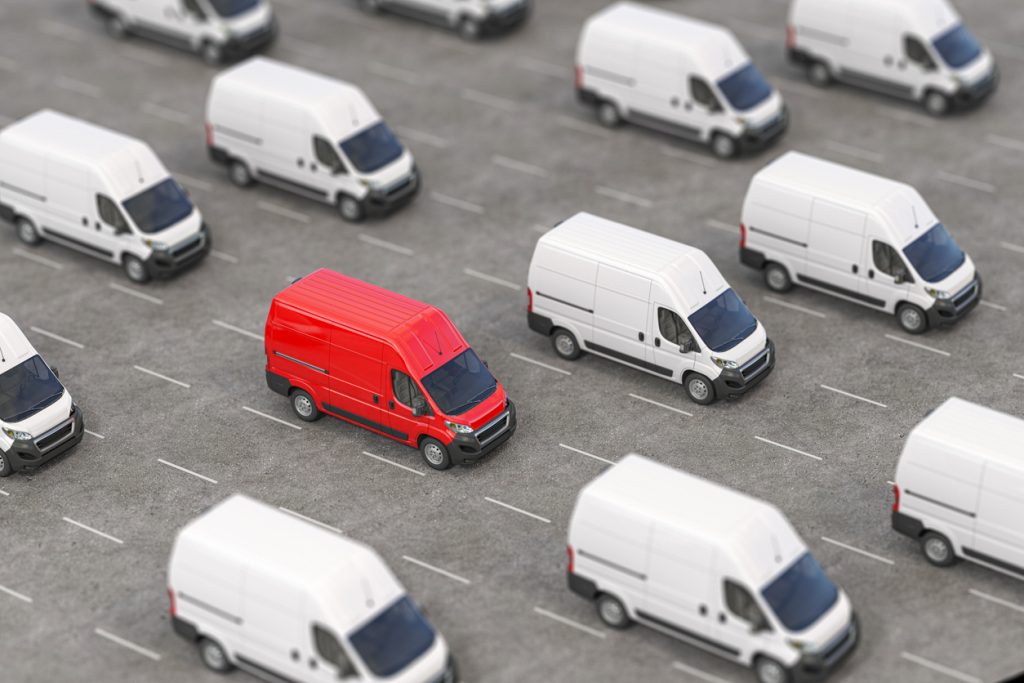
Electric delivery vans Nigeria businesses can use for everyday distribution are becoming more relevant as fuel costs, maintenance expenses, and pressure to improve delivery efficiency increase. For companies making frequent trips within Lagos, Abuja, and other major cities, electric vans can offer a practical alternative to petrol or diesel vehicles when the routes are properly planned.
They are not suitable for every logistics operation. However, businesses running predictable delivery routes, warehouse-to-store movements, e-commerce fulfilment, pharmacy distribution, or scheduled corporate deliveries may find electric vans particularly useful.
Where Electric Vans Make the Most Sense in Nigeria
Electric vans work best when vehicles return to a fixed location after completing daily delivery runs.
A company operating from a warehouse in Ikeja, for example, might send vehicles to Yaba, Surulere, Victoria Island, and Lekki before returning to base. If charging equipment is available at the warehouse, the vehicle can recharge overnight and start the next day’s deliveries with a full battery.
This type of operation is easier to manage than sending an electric vehicle on unpredictable interstate journeys where charging availability may be uncertain.
Suitable operations include:
- E-commerce parcel distribution
- Supermarket and retail restocking
- Pharmacy and medical deliveries
- Corporate document distribution
- Food and FMCG deliveries
- Warehouse-to-branch transfers
- Scheduled last-mile deliveries
Travo.ng can also support businesses that need delivery coordination, vehicle arrangements, courier services, or wider business logistics support alongside their fleet operations.
Lagos Traffic Changes the Electric Van Calculation
Delivery distance alone does not determine whether a vehicle is suitable for Lagos.
A van might cover relatively few kilometres while spending several hours moving between places such as Ikeja, Maryland, Yaba, and Lagos Island because of congestion.
Electric vehicles can be useful in this environment because they do not consume fuel while idling in the same way conventional engines do. Businesses should still calculate realistic daily mileage rather than relying only on manufacturer driving-range figures.
Delivery managers should consider:
- Actual kilometres travelled each day
- Number of stops per route
- Payload weight
- Air-conditioning usage
- Time spent in traffic
- Charging time between shifts
Keeping a reserve instead of planning routes around the vehicle’s maximum advertised range also reduces the risk of interrupted deliveries.
Charging Has to Be Planned Before the Van Arrives
One mistake businesses make when considering electric delivery vans in Nigeria is focusing on the vehicle before considering where it will charge.
For commercial fleets, dependable overnight charging is usually more important than relying on public charging stations.
A warehouse, office compound, fulfilment centre, or distribution hub with dedicated parking gives operators much more control. Power availability must also be considered. Depending on the location, businesses may need to combine grid electricity with solar, battery storage, or another backup power arrangement.
Fleet expansion should therefore include charging infrastructure in the budget from the beginning.
Compare Running Costs With Your Existing Fleet
The purchase or lease price should not be the only comparison.
A business currently operating several petrol or diesel vans should calculate how much it spends monthly on fuel, engine oil, servicing, filters, and other routine maintenance.
Electric drivetrains generally have fewer moving components than combustion engines, but businesses must still budget for tyres, suspension, brakes, battery management, insurance, and specialist maintenance when required.
The strongest business case often comes from vehicles completing high-frequency urban routes where fuel expenditure is already significant.
Start With Routes You Can Predict
Businesses do not necessarily need to replace an entire fleet immediately.
A more practical approach is to test an electric van on one predictable delivery route and compare its performance against an existing vehicle for several weeks.
Monitor electricity consumption, delivery completion rates, downtime, charging reliability, maintenance costs, and driver experience.
Companies looking for electric delivery vans Nigeria operations can then decide whether expanding the fleet makes commercial sense based on real local data rather than assumptions.
Travo.ng can support businesses with vehicle hire arrangements, delivery coordination, cargo movement, courier operations, and wider transport planning. For companies trying to make urban deliveries more efficient while reducing dependence on conventional fuel, electric vans can become a practical part of a carefully planned logistics network.
