


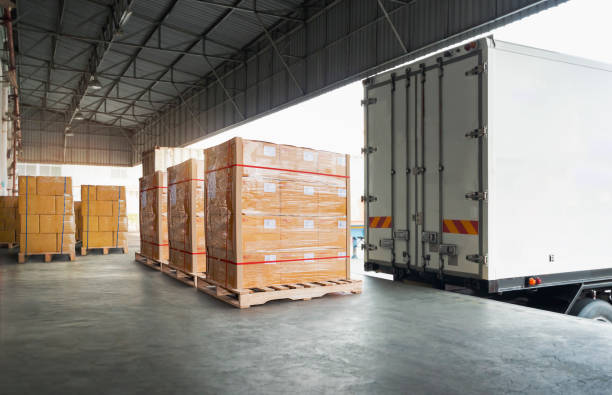
Ecommerce importers from China purchase products from Chinese manufacturers, wholesalers and online marketplaces and resell them through websites, social media stores, marketplaces and physical retail channels. China remains an important sourcing market because businesses can access a wide range of consumer products, electronics, fashion items, accessories and business supplies.
For African ecommerce businesses, successful importing involves more than finding a cheap product. Supplier reliability, product quality, shipping, customs and delivery costs all affect whether an imported product will actually be profitable.
How Ecommerce Importing from China Works
The process can be organised into several stages:
- Find suitable products: Research products with consistent demand and enough profit margin to cover purchasing, shipping, taxes and other expenses.
- Choose suppliers: Compare suppliers on platforms such as Alibaba, 1688 and other Chinese marketplaces. Check product specifications, minimum order quantities and supplier experience.
- Order samples: Before committing to large quantities, obtain samples where possible. This allows you to assess quality, packaging and whether the product matches its listing.
- Send goods to a China warehouse: Orders from different suppliers can be collected at one warehouse, making it easier to inspect and consolidate them.
- Consolidate shipments: Multiple ecommerce orders can be combined into fewer international shipments where appropriate, helping simplify freight management.
- Choose international shipping: Air freight can suit smaller or urgent orders, while sea freight is generally more practical for larger commercial quantities.
- Clear customs and deliver: Once the goods reach the destination country, the required customs procedures are completed before the products are delivered to your warehouse or fulfilment location.
Managing Costs as an Ecommerce Importer
The purchase price is only one part of your total cost. Ecommerce importers should consider the product price, domestic transportation in China, warehouse charges, inspection and repacking, international freight, customs duties, taxes and final delivery.
Product dimensions are especially important because bulky packaging can increase shipping costs even when the goods themselves are relatively light.
Consolidating orders from several suppliers can also make logistics easier to manage, although it does not automatically guarantee lower costs.
Which Products Work Well?
Depending on your market and regulations, ecommerce importers commonly source products such as fashion accessories, home goods, phone accessories, beauty-related products, small electronics, tools and other consumer merchandise.
Before importing a product, check whether your destination country requires special certification, permits or restrictions for that category.
How Travo.ng Can Help
Travo.ng can help ecommerce importers coordinate the logistics side of sourcing from China, including supplier collection, warehouse consolidation, freight planning and delivery coordination.
If you are running an online store in Nigeria or another African market, Travo.ng can help organise shipments from Chinese suppliers so multiple orders can be prepared for international transportation.
Whether you are starting with small ecommerce batches or importing larger quantities for regular stock, having your product details, supplier locations, package dimensions and destination ready makes it easier to plan the right shipping arrangement.
