


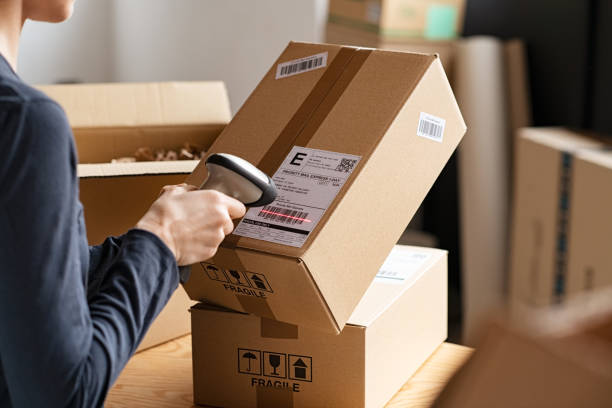
Export logistics from China involves moving goods from suppliers, factories or warehouses in China to customers and businesses in other countries. It covers more than international freight. The process can include supplier collection, warehouse handling, cargo consolidation, export documentation, customs clearance, freight booking and final delivery.
For businesses buying from several Chinese suppliers, having these stages coordinated can make international shipping easier to manage.
How Export Logistics from China Works
A typical export shipment follows several stages:
- Supplier or factory collection
Goods are collected from manufacturers, wholesalers or marketplaces in cities such as Guangzhou, Shenzhen, Yiwu, Shanghai and other commercial centres. - Warehouse receiving
Cargo can be delivered to a logistics warehouse where packages are identified, weighed and measured. Basic checks can help confirm that the shipment matches the order. - Consolidation and repacking
Orders from different suppliers can be combined into one shipment. Unnecessary packaging may be removed, while fragile goods can receive additional protection where required. - Export documentation
Commercial invoices, packing lists and other documents relevant to the shipment and destination need to be prepared accurately. Product type and destination can determine whether additional certificates or permits are required. - Customs clearance and freight booking
The shipment is prepared for Chinese export customs procedures and booked with an appropriate carrier or freight service. - International transportation
Cargo can move by air, sea, rail or a combination of transport methods depending on the destination, cargo type and delivery requirements.
Air Freight or Sea Freight?
Air freight is generally suitable for smaller, urgent or higher-value shipments where delivery speed is important. It is commonly used for samples, electronics, fashion products and other relatively compact cargo.
Sea freight is usually more economical for large or heavy shipments. Importers can use LCL when they do not have enough cargo for a full container, while FCL is suitable for larger volumes.
The cheapest option should not be judged only by the freight rate. Packaging, handling, customs, storage, insurance and destination delivery can all affect the final landed cost.
What Affects China Export Logistics Costs?
Several factors influence the total cost, including:
- Cargo weight and volume
- Number of suppliers
- Pickup distance within China
- Packaging and repacking requirements
- Air, sea or rail freight
- Destination country and port
- Customs and documentation requirements
- Insurance and special cargo handling
- Final-mile delivery arrangements
Accurate cargo dimensions are particularly important because bulky goods can be charged according to volume rather than simply their physical weight.
How Travo.ng Can Help
Travo.ng can help coordinate export logistics from China by bringing together key stages such as cargo collection, warehouse coordination, consolidation, repacking and international freight planning.
This can be useful for Nigerian and other African businesses sourcing products from multiple Chinese suppliers. Instead of handling each supplier shipment and freight arrangement separately, importers can organise their cargo around a coordinated logistics process.
Whether you are importing wholesale products, machinery, electronics, furniture or general merchandise, choosing the right export logistics arrangement can help keep your shipment organised from the Chinese supplier to its final destination.
