


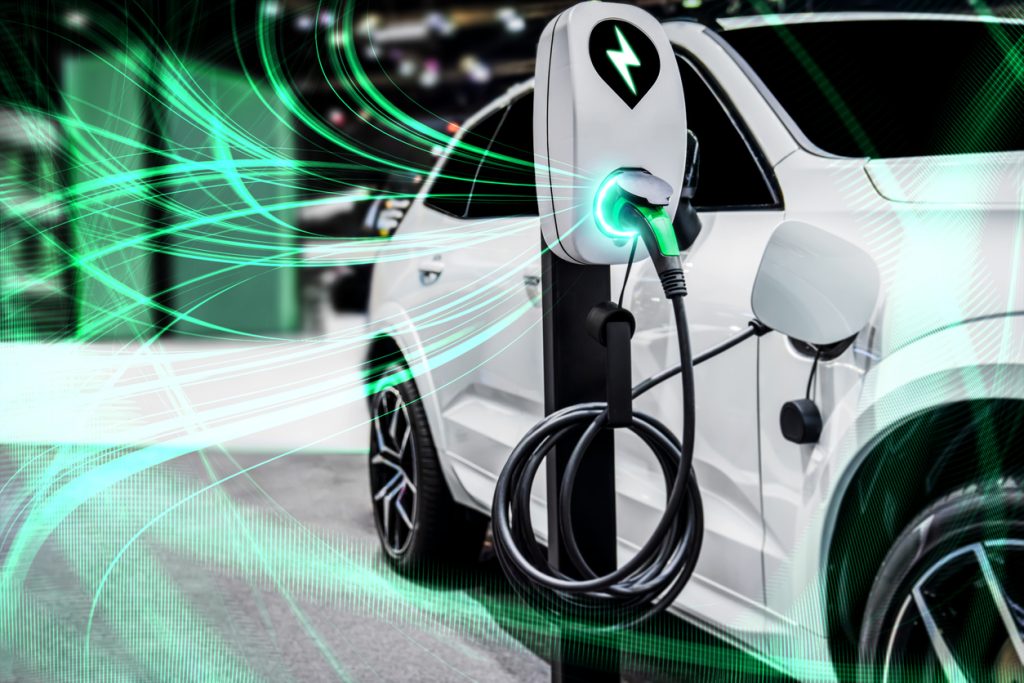
Running electric vehicles for business is different from owning one personal EV. A company with delivery vans, staff vehicles, ride-hailing cars, or service vehicles cannot afford to discover at 7 a.m. that half its fleet is still waiting to charge.
A properly planned commercial fleet EV charging station gives businesses a dedicated place to charge vehicles around their actual operating schedule. In Nigeria, where public charging infrastructure is still developing and electricity supply varies by location, the charging setup needs to be designed around vehicle numbers, daily mileage, available power, and downtime.
Travo.ng helps businesses coordinate practical mobility and energy-support solutions that make fleet operations easier to manage.
Start With How Your Vehicles Actually Operate
Buying chargers before studying fleet movement can create an expensive problem.
For example, a Lagos delivery company with 10 electric vans returning to its warehouse between 6 p.m. and 9 p.m. has different requirements from a corporate fleet whose vehicles remain parked overnight from 7 p.m. until 6 a.m.
Before installing a charging station, businesses should establish:
- Number and type of EVs in the fleet
- Battery capacities
- Average kilometres travelled daily
- Typical return-to-base times
- Hours available for charging
- Number of vehicles expected to charge simultaneously
- Existing electricity capacity at the facility
- Plans to expand the fleet
A company expecting to increase from five EVs to 20 within two years should avoid designing infrastructure that only accommodates today’s vehicles.
AC or DC Charging Depends on Fleet Downtime
Not every commercial operation needs expensive high-speed charging.
AC chargers can work well for vehicles that return to a depot and remain parked overnight. A fleet parked for eight to ten hours may have enough time to recharge gradually before morning dispatch.
DC fast charging becomes more useful when vehicles operate multiple shifts or need to return to the road quickly.
Consider a courier fleet working across Ikeja, Victoria Island and Lekki. If vehicles complete a morning delivery cycle and must return for afternoon dispatch, faster charging may make operational sense.
The objective is not simply installing the fastest charger available. It is matching charging speed to vehicle utilisation.
Nigerian Power Conditions Have to Be Part of the Design
Installing several EV chargers creates a significant electrical load.
A warehouse or office building may already be supporting air-conditioning, equipment, lighting, refrigeration or other commercial systems. Adding multiple chargers without proper load assessment can overload existing infrastructure.
For Nigerian businesses, a commercial EV charging project may therefore involve more than chargers. Depending on the site, the setup could include upgraded electrical infrastructure, load management, solar generation, battery storage or another backup power arrangement.
Smart charging can also stagger vehicle charging instead of allowing every EV to draw maximum power simultaneously.
This becomes especially useful for logistics depots where several vehicles arrive within the same evening window.
Where the Charging Station Is Located Affects Daily Operations
A charger positioned badly can create unnecessary vehicle movement.
For depot-based fleets, charging bays should normally fit naturally into the parking and dispatch process. Drivers should be able to park, connect the vehicle and leave without blocking loading areas or other vehicles.
Businesses operating from Lagos Island, Ikeja, Lekki, Abuja, Port Harcourt or other busy commercial areas should also consider available parking space, vehicle turning radius, security and overnight access.
For larger logistics operations, future expansion space is equally important.
Calculate Charging Cost Against Existing Fleet Expenses
Businesses evaluating electric fleets should look beyond the purchase price of chargers.
The more useful calculation considers total operating costs, including electricity, charger installation, maintenance, vehicle utilisation and the cost of keeping vehicles unavailable while charging.
Compare this against current spending on petrol or diesel, maintenance and generator-supported operations.
The economics will differ between a five-car corporate fleet and a 50-vehicle delivery operation, so estimates should be based on actual mileage and duty cycles rather than generic savings claims.
Travo.ng Can Support the Wider Fleet Operation
Charging infrastructure works best when it is connected to a realistic transport plan.
Travo.ng can help businesses coordinate fleet and mobility requirements alongside other operational needs such as vehicle arrangements, transport coordination, delivery services and business logistics support.
For companies gradually moving from conventional vehicles to EVs, this allows the transition to be planned around real routes and workload instead of treating charging infrastructure as a standalone project.
A reliable commercial fleet EV charging station should ultimately keep vehicles moving, not simply provide somewhere to plug them in. With the right combination of charging capacity, power planning, vehicle scheduling and room for expansion, Nigerian businesses can build an EV fleet system that supports everyday operations as the number of electric vehicles grows.
