


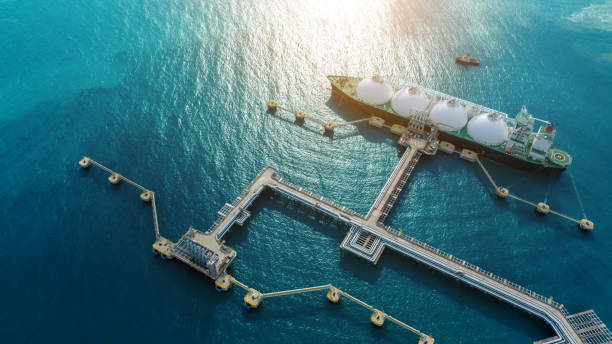
A China sea freight service helps businesses move large, heavy or bulky shipments from Chinese suppliers to international destinations by cargo vessel. It is commonly used by importers, wholesalers, retailers and ecommerce businesses because ocean freight can be more economical than air freight for larger volumes.
Whether you are buying from Alibaba, 1688, a manufacturer or several suppliers, sea freight can provide a practical way to move commercial cargo internationally.
How China Sea Freight Works
The shipping process usually involves several stages:
- Supplier collection
Your goods are collected from the factory or delivered to a designated warehouse or freight station in China. - Cargo receiving and checking
The shipment can be checked for quantities, packaging, weight and dimensions before export. - Consolidation
If you have goods from multiple suppliers, they can be brought together and consolidated where suitable. - Export preparation
Required shipping and export documents are prepared before the cargo is loaded. - Ocean freight
The cargo is transported by vessel to the destination port. The shipment can be arranged as LCL or FCL depending on its size. - Destination clearance and delivery
After arrival, the cargo goes through the required import procedures before being collected or delivered to its final destination.
LCL or FCL Sea Freight?
LCL (Less than Container Load) is suitable when your shipment does not require an entire container. Your cargo shares container space with other shipments, and charges are generally based on the space or volume used.
FCL (Full Container Load) means a container is allocated for your shipment. It can be more suitable for larger commercial orders and gives you greater control over the container and loading process.
The better option depends on your cargo volume, weight, destination and total shipping cost.
What Affects Sea Freight Costs?
The cost of shipping by sea can depend on:
- Cargo volume and weight
- LCL or FCL
- China pickup location
- Destination port
- Number of cartons or pallets
- Product type
- Warehouse and consolidation charges
- Export and destination customs requirements
- Port and handling charges
- Final delivery distance
Always compare the complete shipping cost rather than looking only at the advertised ocean freight rate.
China Sea Freight to Nigeria
For Nigerian importers, sea freight is commonly used for larger commercial shipments arriving through major Lagos-area ports. Cargo planning should account for origin transportation in China, ocean freight, Nigerian customs procedures, port-related charges and final delivery.
Importers should also make sure their commercial and product documentation is prepared correctly before the shipment leaves China.
When Should You Choose Sea Freight?
Sea freight is generally a good option when your cargo is bulky, heavy or not urgently required. It can work well for furniture, machinery, building materials, fashion stock, electronics accessories and other commercial goods.
If the shipment is small and needs to arrive quickly, air freight may be more appropriate.
How Travo.ng Can Help
Travo.ng can help coordinate China sea freight logistics, including supplier collection, warehouse coordination, cargo consolidation and international freight planning.
If you are buying from multiple suppliers, Travo.ng can help organise the logistics around bringing the cargo together before forwarding. This can make large shipments easier to manage and may reduce the need for multiple separate international consignments.
Before requesting a shipping plan, have your supplier locations, product type, carton quantity, dimensions, weight, total volume and destination ready. Accurate cargo information helps determine whether LCL or FCL is the more practical option.
For importers moving substantial quantities from China, sea freight remains a practical choice when controlling transportation costs while handling larger volumes of cargo.
