


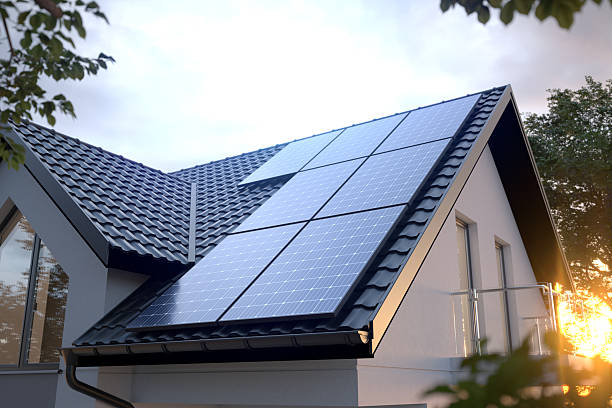
High electricity costs have become a serious operating expense for many homes and businesses in Lagos. Between grid charges, generator fuel, maintenance, and unexpected power interruptions, keeping a property powered throughout the day can consume far more money than expected.
For people searching for solar for high electricity bills in Lagos, the real question is not simply whether solar works. The bigger issue is choosing a system that matches how much electricity you actually use and avoiding an installation that is either too small or unnecessarily expensive.
A well-planned solar setup can reduce dependence on both the grid and generators while giving households and businesses more control over monthly energy expenses.
Start With What Is Consuming Electricity in Your Property
Two houses in Lekki can have completely different energy requirements. One may run only fans, lights, a television and a refrigerator, while another uses several air conditioners, water pumps, freezers and office equipment.
Before choosing a solar system, list the appliances you use regularly and how long they run each day.
Pay particular attention to:
- Air conditioners
- Refrigerators and freezers
- Water pumps
- Electric kettles and cookers
- Computers and office equipment
- Washing machines
- Security systems
- Borehole equipment
Heavy appliances can significantly increase the number of panels, batteries and inverter capacity required.
This assessment is one of the most important steps when trying to reduce high electricity bills with solar in Lagos.
Why Your Electricity Bill May Still Be High After Installing Solar
Installing a few panels does not automatically eliminate electricity costs.
A common mistake is buying a small system because the initial price looks attractive. The household then continues using grid electricity or a generator for most heavy appliances.
For example, a system designed primarily for lighting, television and basic electronics will not comfortably support several air conditioners throughout the day.
Another problem is poor battery sizing. If stored power finishes early in the evening, the property immediately returns to grid supply or generator use.
Good solar planning should therefore consider both daytime consumption and nighttime backup needs.
Solar Can Reduce Generator Spending Too
Many Lagos residents focus only on their electricity bill, but generator expenses are often equally important.
Consider a small business in Ikeja running a generator for several hours whenever public electricity goes off. Fuel purchases, engine oil, servicing and repairs create recurring expenses that may not appear on the electricity bill but still affect monthly operating costs.
Solar can handle routine daytime loads such as computers, lighting, internet equipment, fans and other essential devices.
That reduces the number of hours the generator needs to run.
Businesses in areas such as Ikeja, Yaba, Victoria Island, Lekki and Surulere can particularly benefit from calculating their combined grid and generator spending before deciding how much solar capacity makes financial sense.
What Size Solar System Should You Consider?
There is no single correct solar package for every Lagos property.
A small household that mainly wants uninterrupted lighting, television, fans and refrigeration will require a different setup from a restaurant running multiple freezers or an office operating computers and air conditioning.
When comparing systems, consider four main components:
- Solar panel capacity
- Inverter capacity
- Battery storage
- Your average daily electricity consumption
Ask for a proper load assessment rather than choosing a package purely because it is labelled “5kVA” or “10kVA.”
The inverter rating alone does not tell you how long your appliances can operate.
Businesses Should Calculate Solar Against Monthly Operating Costs
For commercial properties, solar should be treated as an operating-cost decision rather than simply another piece of equipment.
Suppose a business spends heavily every month combining prepaid electricity with generator fuel. Reducing even part of that recurring expense can improve long-term cash flow.
Solar is particularly practical for businesses with predictable daytime energy use, including offices, pharmacies, salons, retail shops, warehouses and small service centres.
It can also help businesses avoid interruptions caused by power outages during working hours.
Getting Solar Support Through Travo.ng
Choosing solar for high electricity bills in Lagos should begin with understanding your actual consumption, property type and expected backup time.
Travo.ng can help customers coordinate suitable energy solutions based on practical requirements rather than simply purchasing equipment without proper planning.
Whether you are trying to reduce generator use at home, manage rising operating expenses in an office or find a more predictable power arrangement for a business, the right starting point is a realistic assessment of what needs to stay powered.
A properly sized solar solution will not necessarily remove every electricity expense immediately, but it can significantly reduce dependence on costly grid and generator power while making monthly energy spending easier to manage.
