


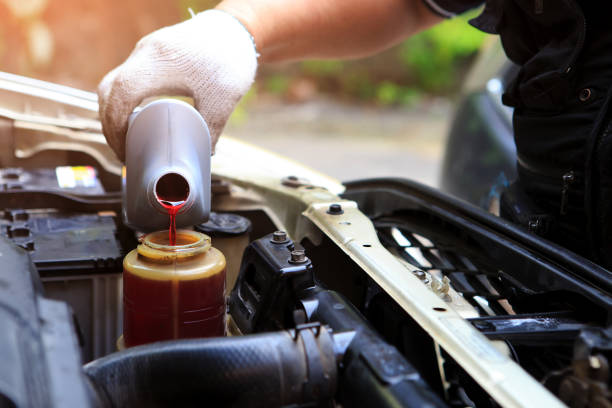
Nigeria’s maritime, offshore and marine-support industries depend heavily on diesel-powered vessels, generators and mechanical equipment. Skilled technicians are needed to maintain engines, diagnose faults and keep marine operations running safely.
Marine diesel mechanic jobs in Nigeria are suitable for diesel mechanics, marine mechanics, mechanical technicians and heavy-duty mechanics with experience working on diesel engines and related mechanical systems.
Recent Nigerian vacancies show opportunities involving offshore diesel maintenance, marine engines and heavy-duty equipment. Some roles specifically require experience with diesel engines, preventive maintenance, troubleshooting and offshore safety procedures.
What Does a Marine Diesel Mechanic Do?
A marine diesel mechanic is responsible for maintaining and repairing diesel engines and mechanical systems used on vessels and marine-support equipment.
Typical duties include:
- Inspecting diesel engines
- Performing preventive maintenance
- Diagnosing engine faults
- Carrying out engine repairs and overhauls
- Servicing fuel systems
- Maintaining cooling systems
- Repairing pumps and compressors
- Troubleshooting mechanical problems
- Maintaining generators
- Inspecting propulsion systems
- Responding to breakdowns
- Keeping maintenance records
Marine mechanics may work onboard vessels, in shipyards, at marine workshops or in offshore support operations.
Types of Marine Equipment You May Work On
Depending on the employer, a marine diesel mechanic may work on:
- Main propulsion engines
- Auxiliary engines
- Diesel generators
- Tugboats
- Offshore support vessels
- Workboats
- Barges
- Fishing vessels
- Marine pumps
- Compressors
- Hydraulic systems
- Fuel systems
Some Nigerian marine roles involve both vessel-based and shore-based maintenance.
Diesel Engine Skills Are Essential
Strong diesel-engine knowledge is one of the most important skills for this career.
You should understand:
- Fuel injection systems
- Injectors
- Turbochargers
- Cooling systems
- Lubrication systems
- Starting systems
- Exhaust systems
- Engine governors
- Sensors
- Engine control systems
You should also be comfortable reading technical manuals and diagnosing problems systematically.
Marine Engine Overhauls
Experienced marine mechanics may be responsible for major engine repairs and overhauls.
This can include:
- Cylinder-head inspection
- Piston inspection
- Bearing replacement
- Injector servicing
- Valve adjustment
- Gasket replacement
- Cooling-system repairs
- Turbocharger servicing
- Crankshaft inspection
- Engine reassembly and testing
A current Nigerian Lead Mechanic vacancy specifically calls for experience troubleshooting and overhauling main and auxiliary engines, including Caterpillar, Cummins and Perkins engines.
Hydraulic and Mechanical Systems
Marine vessels also use hydraulic and mechanical systems for different operations.
Useful skills include:
- Hydraulic pumps
- Hydraulic motors
- Hydraulic cylinders
- Valves
- Winches
- Steering systems
- Mechanical drives
- Pumps
- Compressors
Understanding these systems can make a mechanic more versatile, particularly when working on offshore support vessels and specialised marine equipment.
Electrical and Diagnostic Skills
Modern marine engines increasingly use electronic control systems.
Useful skills include:
- Electrical troubleshooting
- Battery testing
- Alternator diagnosis
- Starter-motor testing
- Sensor diagnosis
- ECU diagnostics
- Fault-code interpretation
- Multimeter use
- Reading wiring diagrams
Marine technicians who can combine mechanical and electrical troubleshooting can handle a wider range of engine problems.
Preventive Maintenance
Marine engines require regular servicing because an engine failure at sea can have serious operational consequences.
Preventive maintenance can include:
- Checking engine oil.
- Replacing filters.
- Inspecting cooling systems.
- Checking fuel systems.
- Inspecting belts and hoses.
- Testing batteries.
- Checking exhaust systems.
- Inspecting pumps.
- Checking engine temperatures and pressures.
- Recording operating hours and maintenance activities.
Proper maintenance schedules help identify problems before they become major failures.
Offshore Marine Mechanic Jobs
Some marine diesel mechanic positions involve offshore work on vessels, platforms or other offshore facilities.
Current Nigerian offshore diesel mechanic vacancies require mechanics to carry out inspection, servicing, troubleshooting, repair, overhaul and preventive maintenance of heavy-duty diesel engines and mechanical equipment.
Offshore work may involve:
- Rotational schedules
- Engine-room maintenance
- Emergency breakdown response
- Equipment inspections
- Planned shutdowns
- Safety meetings
- Toolbox talks
- Permit-to-work procedures
Mechanics must be comfortable working in demanding environments and following strict safety procedures.
Offshore Certifications
For offshore positions, employers may require additional safety certifications.
A recent Nigerian offshore diesel mechanic vacancy specifically listed OPITO BOSIET/FOET and medical certification among its requirements.
Other marine and seafarer roles may also require relevant maritime safety training and documentation.
NIMASA requirements for Marine Engineering Assistants include practical engine knowledge, safety training and relevant experience, demonstrating the importance of formal marine-engineering preparation for seagoing careers.
What Qualifications Do Marine Diesel Mechanics Need?
Requirements depend on the position.
Common qualifications include:
- Mechanical Engineering
- Marine Engineering
- OND Mechanical Engineering
- HND Mechanical Engineering
- Marine Engineering Technician
- Diesel Mechanics
- Plant Mechanics
- Technical college training
- Trade Test certification
- Relevant marine certifications
Some employers place greater emphasis on practical experience than academic qualifications, particularly for hands-on mechanic positions.
What Should You Put on Your CV?
Your CV should clearly show your diesel and marine experience.
Include:
- Years of experience
- Engine brands worked on
- Vessel types
- Diesel-engine experience
- Engine overhaul experience
- Generator experience
- Hydraulic experience
- Electrical troubleshooting
- Diagnostic tools used
- Preventive maintenance
- Offshore experience
- Safety certifications
- Technical qualifications
For example:
“Five years’ experience maintaining marine diesel engines and auxiliary machinery, including preventive maintenance, engine troubleshooting, overhauls, generator maintenance and mechanical fault diagnosis.”
Related Job Titles to Search
Don’t search only for “marine diesel mechanic jobs Nigeria.”
Also search for:
- Marine Mechanic
- Marine Diesel Technician
- Marine Engineer Assistant
- Diesel Mechanic
- Marine Maintenance Technician
- Marine Mechanical Technician
- Vessel Mechanic
- Deck Mechanic
- Offshore Diesel Mechanic
- Heavy-Duty Diesel Mechanic
- Marine Field Service Technician
- Engine Room Mechanic
- Marine Equipment Technician
Current Nigerian job listings show related positions including Deck Mechanic, Marine Engineer Assistant, Mechanical Technician and Marine Service Engineer roles.
Applications and CV Submission
Candidates interested in marine diesel mechanic opportunities and related technical positions should prepare an updated CV showing their engine experience, marine exposure, technical qualifications and relevant safety certifications.
Applications and CVs should be sent to jobs@wigmoretrading.com.
Use Marine Diesel Mechanic Application as the email subject and include your phone number, years of experience, qualifications, engine types handled and areas of technical specialisation.
How to Stand Out
Marine employers want mechanics who can diagnose problems accurately and keep critical equipment operational.
Highlight your ability to:
- Troubleshoot diesel engines
- Perform engine overhauls
- Maintain generators
- Diagnose mechanical faults
- Work with hydraulic systems
- Perform preventive maintenance
- Respond to emergency breakdowns
- Read technical manuals
- Maintain accurate service records
- Follow marine HSE procedures
Experience with recognised engine brands such as Caterpillar, Cummins and Perkins can also be valuable where those engines are used by the employer.
Safety Is Critical
Marine mechanics may work around fuel, high temperatures, rotating machinery, confined spaces and heavy mechanical components.
Important areas include:
- Permit-to-work procedures
- Lockout/tagout
- Engine isolation
- Fire safety
- PPE
- Confined-space awareness
- Spill prevention
- Emergency procedures
- Safe lifting
- Environmental protection
Offshore positions can have particularly strict HSE requirements.
Preparing for the Interview
Expect technical questions such as:
- How would you diagnose a marine diesel engine that will not start?
- What can cause an engine to overheat?
- How would you diagnose low engine oil pressure?
- What causes excessive black smoke from a diesel engine?
- How would you troubleshoot a faulty injector?
- What checks should be performed during preventive maintenance?
- How would you diagnose a generator that is not producing power?
- What safety procedures must be followed before working on a marine engine?
Use real examples from your mechanical experience when answering.
Where Can Marine Diesel Mechanics Work?
Potential employers include:
- Shipping companies
- Marine logistics companies
- Offshore support companies
- Oil and gas companies
- Shipyards
- Marine workshops
- Port operators
- Tugboat operators
- Dredging companies
- Fishing companies
- Vessel-management companies
- Marine equipment service providers
Nigeria’s marine and offshore industry provides opportunities both onboard vessels and in shore-based maintenance operations. Current Nigerian listings include marine mechanical roles in Lagos, Rivers and Delta.
Career Progression
A marine diesel mechanic can progress through:
Marine Mechanic → Senior Marine Mechanic → Lead Mechanic → Marine Maintenance Supervisor → Technical Superintendent
You can also specialise in:
- Marine diesel engines
- Vessel generators
- Propulsion systems
- Hydraulics
- Offshore equipment
- Marine diagnostics
- Engine overhauls
Additional marine training, offshore safety certification and experience with major diesel-engine manufacturers can significantly improve your career prospects.
A strong marine diesel mechanic is ultimately someone who can maintain powerful marine engines, diagnose faults accurately, respond to breakdowns and keep vessels and offshore equipment operating safely and reliably.
