


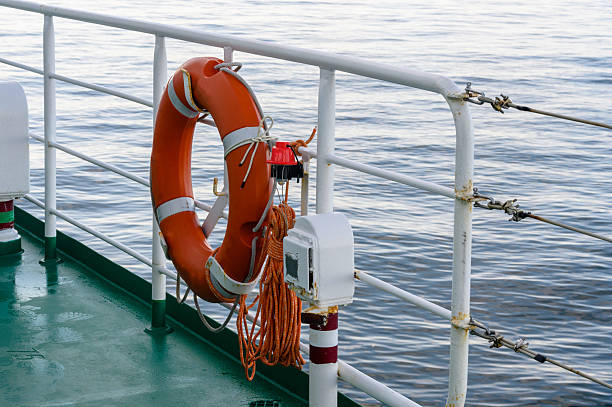
Ferry safety Lagos is an important part of the development of water transportation across the city. With thousands of passengers using Lagos waterways for commuting, tourism and business travel, operators and regulators have established safety requirements covering vessels, crew, terminals and passengers.
The Lagos State Waterways Authority (LASWA) regulates waterway operations and conducts vessel inspections, while LAGFERRY operates scheduled passenger ferry services with safety as a central part of its operations.
Why Ferry Safety Matters in Lagos
Lagos has an extensive network of inland waterways connecting communities such as Ikorodu, Badore, Ojo, Mile 2, Lekki, Epe and Lagos Island.
As ferry transportation expands, proper safety procedures are necessary to protect passengers and crew. LASWA carries out inspections and enforcement activities to ensure vessels operating on the waterways comply with required standards.
Life Jackets Are Essential
Passengers should wear a properly fitted life jacket throughout their ferry journey.
LASWA states that no person should board a motorised vessel without wearing a life jacket, while LAGFERRY also makes life-jacket use compulsory for passengers and crew.
Passengers should check that:
- The life jacket fits properly
- Buckles and straps are secured
- The jacket is in good condition
- It remains properly worn throughout the journey
In May 2026, LASWA removed approximately 120 damaged life jackets from circulation during safety inspections at several Lagos terminals.
Use Registered and Approved Ferries
Passengers should avoid unregistered boats and operators.
LASWA requires vessels to go through its licensing and registration process and obtain the appropriate vessel survey certification before operating on Lagos waterways. The authority also conducts routine checks and enforcement against unregistered and unlicensed operators.
Using an approved operator gives passengers greater assurance that the vessel and operation are subject to regulatory requirements.
Avoid Overloaded Boats
Overloading is a serious safety concern.
LASWA strictly prohibits overloading of vessels with passengers or cargo, while LAGFERRY states that its ferries are not loaded beyond their approved capacity.
Passengers should avoid boarding a boat that appears overcrowded and should report suspected overloading to the appropriate authorities.
Ferry Maintenance and Vessel Inspection
Boat condition is another major part of ferry safety.
LASWA requires registered vessels to provide evidence of certification from its Safety Inspection Unit and undergo periodic inspection. The authority also conducts random spot checks.
LAGFERRY states that its vessels are checked by maintenance engineers before trips and undergo regular scheduled maintenance and repairs.
Important safety equipment includes:
- Life jackets
- Fire extinguishers
- First-aid equipment
- Navigation equipment
- Communication equipment
Weather and Visibility
Ferry operators should consider weather and water conditions before and during a journey.
LASWA states that operations should cease during adverse weather conditions. If a vessel encounters severe conditions while already on the water, the captain is advised to proceed to the nearest jetty and wait until it is safe to continue.
LAGFERRY also states that its services do not operate at night or when visibility is poor.
Passenger Manifests
Passengers should complete the required trip manifest before boarding where the operator requires it.
A passenger manifest helps operators maintain an accurate record of people travelling on a particular vessel and can be important during an emergency.
LAGFERRY specifically instructs passengers to complete the manifest before boarding.
Follow the Captain’s Instructions
Passengers should listen carefully to instructions from the captain and deckhands.
During an emergency, passengers should remain calm and follow crew directions instead of attempting to leave the vessel independently or creating panic.
LAGFERRY advises passengers to follow the captain’s directives during emergencies and use designated safety equipment correctly.
Avoid Alcohol on Ferries
Passengers should avoid consuming alcohol while travelling by ferry.
Alcohol can affect judgement and coordination, making it more difficult to respond appropriately during an emergency.
LAGFERRY specifically advises passengers to avoid alcohol while onboard.
Ferry Safety at Lagos Terminals
Safety begins before passengers enter the boat.
At ferry terminals, passengers should:
- Use designated boarding areas
- Follow staff instructions
- Avoid rushing onto vessels
- Keep children under close supervision
- Wear their life jacket before boarding where required
- Avoid standing in restricted areas
- Report damaged safety equipment
LASWA deploys Water Guards at state-owned jetties and operates patrol boats across different zones of the Lagos waterways to support safety and enforcement.
Emergency Response on Lagos Waterways
LASWA maintains water patrol operations designed to respond to emergencies across the waterways.
Its patrol network covers central, western and eastern zones, while patrol teams receive training in areas including first aid, VHF radio communication, oil-spill response and enforcement of safety and security regulations.
LAGFERRY advises passengers to call 767 or 112 in an emergency.
Safety and Ferry Operators
Ferry operators have responsibilities beyond simply transporting passengers.
Operators must comply with licensing requirements, vessel standards, safety inspections, crew requirements and operational regulations. LASWA’s operator guidelines require ferry operators to obtain the necessary licence and ensure vessels and infrastructure meet its technical specifications.
In June 2026, LASWA and InterFerry also began a practical Ferry Safety Development Programme focusing on vessel construction, maintenance, safety standards and operational best practices.
Ferry Safety and the Future of Water Transport
As Lagos expands its water transportation network, safety will remain essential.
Projects such as Omi Eko are expected to introduce modern ferry infrastructure and electric vessels, increasing the importance of strong vessel maintenance, passenger education, navigation systems, terminal management and emergency-response procedures.
A growing ferry network must be supported by equally strong safety standards to maintain passenger confidence in water transportation.
How Travo.ng Can Help
Travo.ng can help customers coordinate ferry transportation in Lagos, including route planning, passenger transfers and connections between water and road transportation where available.
Customers can provide their:
- Pickup location
- Destination
- Travel date
- Preferred departure time
- Number of passengers
- One-way or return requirement
This can help determine a suitable ferry or multimodal transportation option for the journey.
Why Choose Travo.ng?
Travo.ng can simplify transportation planning by helping customers organise different parts of their journey while considering practical requirements such as route, schedule and passenger needs.
Whether you need a daily ferry commute, business transfer, passenger transportation or a road-to-water connection, Travo.ng can help coordinate the journey according to your requirements.
Staying Safe When Using Ferries in Lagos
Ferry transportation can be a useful alternative to congested roads, but passengers should always take safety seriously.
The most important precautions are simple: wear your life jacket, use approved operators, avoid overloaded vessels, follow crew instructions, pay attention to weather conditions and report safety concerns. LASWA and LAGFERRY both place strong emphasis on these measures as Lagos’s water transportation network continues to develop.
Travo.ng can help coordinate safe ferry transportation in Lagos according to your route, schedule and passenger requirements.
