


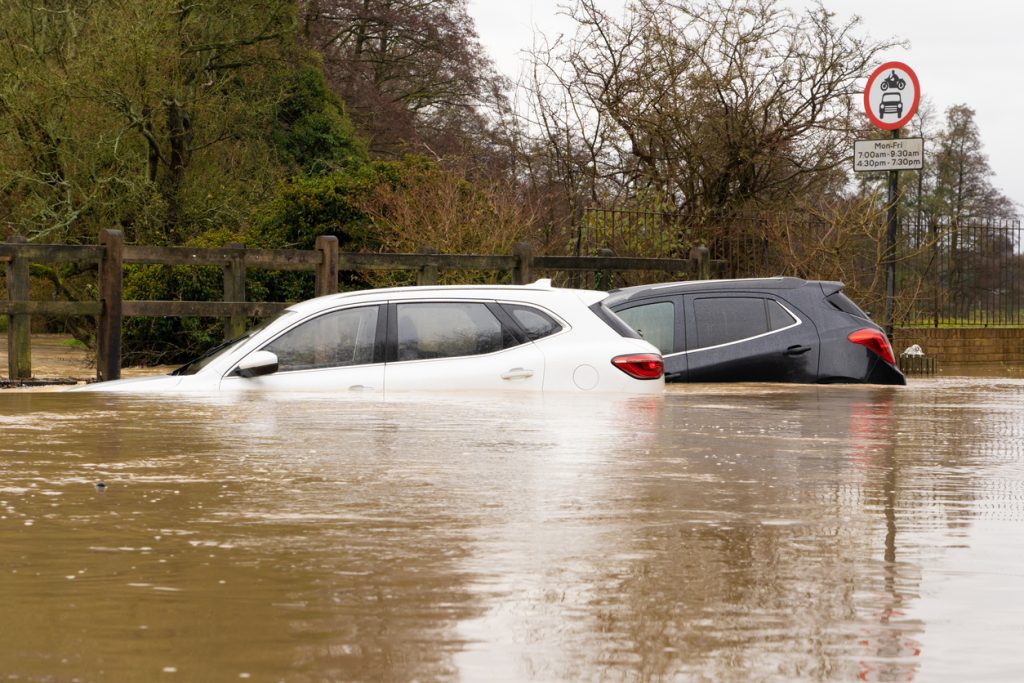
River flooding can turn an ordinary transport job into an emergency within a few hours. Roads become impassable, communities are cut off, vehicles are stranded, and food, medicine or equipment may suddenly need alternative routes. This is where river flooding emergency logistics becomes essential for businesses, households, relief organisations and communities across Nigeria.
Flood response is particularly important during the peak rainy season. In July 2026, NEMA reported elevated flash-flood risk across 26 states and the FCT, including Lagos, Rivers, Bayelsa, Kogi, Benue, Delta and Cross River. The agency warned that flooding could disrupt transportation and damage critical infrastructure.
What Happens When Floodwater Blocks a Delivery Route?
A driver moving supplies from Lagos to communities in Ogun or from Abuja towards Lokoja cannot simply continue because the scheduled route appears on a navigation app. Flood conditions can change quickly.
Emergency logistics teams first need to establish:
- whether the planned road is still passable;
- where vehicles can safely turn around or divert;
- whether cargo needs to be transferred to another vehicle;
- how urgently the goods are required;
- whether the receiving location is still accessible; and
- whether movement should be delayed until authorities declare the route safe.
The safest decision is not always the fastest-looking route. NEMA specifically advises motorists not to drive through floodwater, because the depth and condition of the road underneath may be impossible to judge.
River Flooding Emergency Logistics Requires Flexible Transport
Flood response rarely works with a rigid transport plan.
A truck carrying bottled water, food, generators or emergency materials may reach a point where a smaller vehicle is more practical for the remaining journey. In another situation, supplies may have to be moved to a temporary storage point until access improves.
For organisations coordinating relief materials, Travo.ng can support cargo movement, vehicle hire, delivery coordination and transport planning according to the accessible routes available at the time.
Businesses can also use this type of support when flooding interrupts normal distribution. A supermarket waiting for stock, a construction company needing equipment or a pharmacy expecting urgent supplies cannot always suspend operations for several days.
Why Early Dispatch Makes a Difference
Waiting until roads are completely flooded makes logistics much harder.
Where official warnings indicate significant rainfall or rising flood risk, essential goods can be repositioned before access deteriorates. Businesses may move inventory to higher-ground warehouses, communities can receive supplies earlier, and organisations can position vehicles closer to areas that may require assistance.
Nigeria has increasingly emphasised anticipatory flood response. NEMA activated its National Emergency Operations Centre in August 2026 to improve flood monitoring, information management, planning and deployment of resources during the rainy season.
Moving Relief Supplies Without Creating Another Emergency
Speed matters, but emergency logistics must still be controlled.
Drivers need clear pickup instructions, working phone numbers and accurate delivery points. Relief items should be packaged so they can withstand rain and repeated handling. Medicines and temperature-sensitive products may require protected or temperature-controlled transport.
For bulk movements, splitting supplies between vehicles can also reduce the risk of an entire consignment being delayed when one route becomes inaccessible.
Getting Transport Support During Flood Disruptions
Good river flooding emergency logistics is about keeping people and essential goods moving without taking unnecessary risks.
Travo.ng can help coordinate vehicles, cargo logistics, urgent deliveries and business transport when flooding interferes with normal movement. Instead of sending a vehicle blindly into an affected area, the practical approach is to assess accessibility, organise the right vehicle and adjust the delivery plan as conditions change.
For businesses, organisations and households facing flood-related transport disruption, early coordination can prevent a difficult logistics problem from becoming a much larger emergency.
