


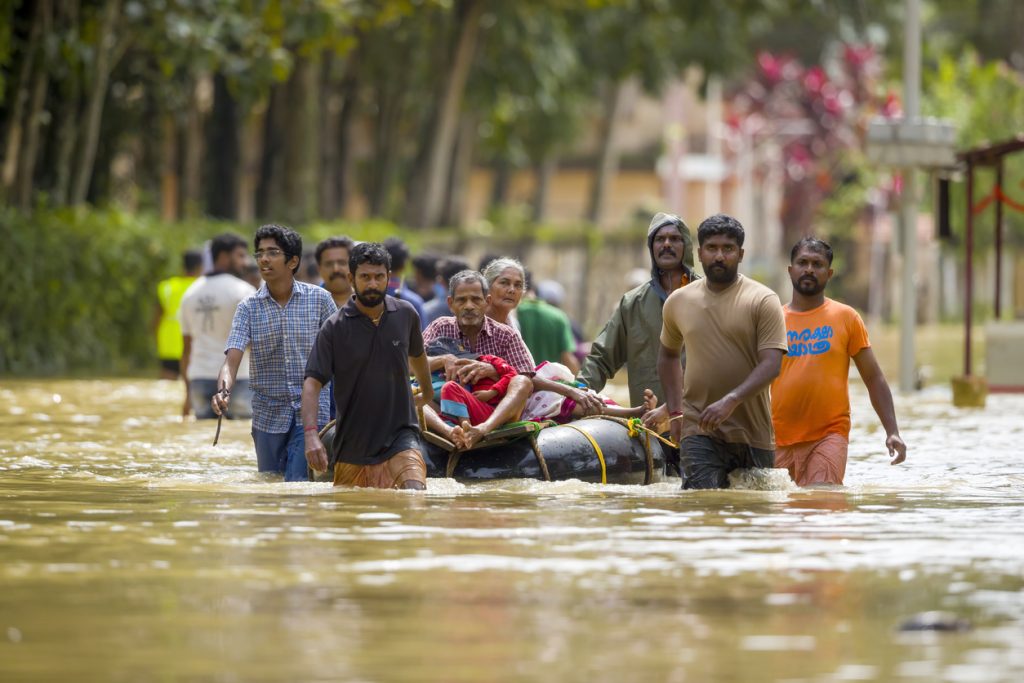
Flooding can turn a normal equipment move into a serious logistics problem within a few hours. For businesses operating in flood-prone parts of Lagos, Port Harcourt, Warri and other Nigerian cities, waiting until water enters a facility before arranging transport can lead to damaged machinery, inaccessible roads and expensive downtime.
Proper equipment relocation during flooding requires more than sending a truck to collect machinery. The equipment must be assessed, disconnected, packed, lifted correctly and moved through a route that remains accessible to the right type of vehicle.
Travo.ng helps businesses coordinate equipment transport, vehicle arrangements and cargo logistics when machinery or commercial assets need to be moved to a safer location.
Move Equipment Before Access Roads Become Impassable
One of the biggest mistakes during heavy rainfall is assuming there will still be enough time to evacuate equipment later.
In parts of Lagos such as Lekki, Ajah, Victoria Island and some industrial areas around Apapa, intense rainfall can quickly affect access roads. Similar problems occur in low-lying parts of Port Harcourt and other coastal locations.
A relocation plan should therefore start when flooding becomes a realistic threat, rather than after the premises are already surrounded by water.
Businesses should identify:
- Which machines are most valuable or difficult to replace
- What equipment can be disconnected quickly
- The safest loading point
- Suitable trucks or specialised vehicles
- An alternative route if the normal road floods
- A secure temporary storage or destination facility
Moving early usually provides more vehicle choices and reduces the risk of emergency loading in unsafe conditions.
Heavy Machinery Needs More Than an Ordinary Delivery Truck
Office computers can be packed and moved relatively easily. Industrial machinery is different.
Generators, production equipment, compressors, commercial refrigerators, workshop machines and other heavy assets may require forklifts, cranes, flatbed trucks or suitable haulage vehicles.
Before transport is arranged, the logistics team needs accurate information about the equipment’s weight, dimensions and loading requirements.
For example, relocating a large generator from a flooded commercial property in Lekki may require coordinating the lifting equipment and transport vehicle at the same time. Sending the truck first without a workable loading method simply creates delays.
Travo.ng can coordinate appropriate cargo transport and vehicle arrangements based on the size and nature of the equipment being moved.
Protect Electrical and Sensitive Equipment Before Loading
Water damage is not the only concern.
Equipment can also be damaged during hurried handling. Electrical panels, control systems, exposed connectors and delicate components should be protected before loading. Loose parts should be secured, and equipment should be properly positioned to reduce movement during transport.
Businesses relocating machinery during the rainy season should also prepare waterproof coverings and suitable packaging materials before an emergency occurs.
Where possible, technicians familiar with the equipment should supervise shutdown and disconnection. A logistics driver should not be expected to dismantle specialised machinery without technical guidance.
Choose the Destination Before the Truck Arrives
Emergency relocation becomes much easier when the receiving point has already been confirmed.
Moving equipment from a threatened location only to start searching for storage afterwards can create unnecessary waiting time and additional transport costs.
The destination should have enough space for unloading, suitable access for the truck and adequate security. If the equipment will be used immediately, confirm that power supply, installation space and operating conditions are ready.
For interstate relocation, businesses should also consider road conditions and travel time. Moving equipment from Lagos to Ibadan, for example, requires different planning from a short transfer between two locations within Ikeja.
How Travo.ng Supports Equipment Relocation During Flooding
When flooding threatens business operations, coordination matters as much as the vehicle itself.
Travo.ng can support equipment relocation during flooding by helping businesses arrange cargo transport, vehicle hire, haulage coordination and related logistics services. The focus is on getting the right transport solution to the correct location while considering equipment size, loading requirements, destination access and road conditions.
Businesses can also use Travo.ng for related needs such as cargo logistics, relocation services and ongoing business transport support.
Flood emergencies are easier to manage when the transport plan already exists. If valuable equipment is located in an area that regularly experiences flooding, arranging relocation options before the next heavy rainfall can protect assets, reduce downtime and prevent a difficult situation from becoming an expensive one.
