


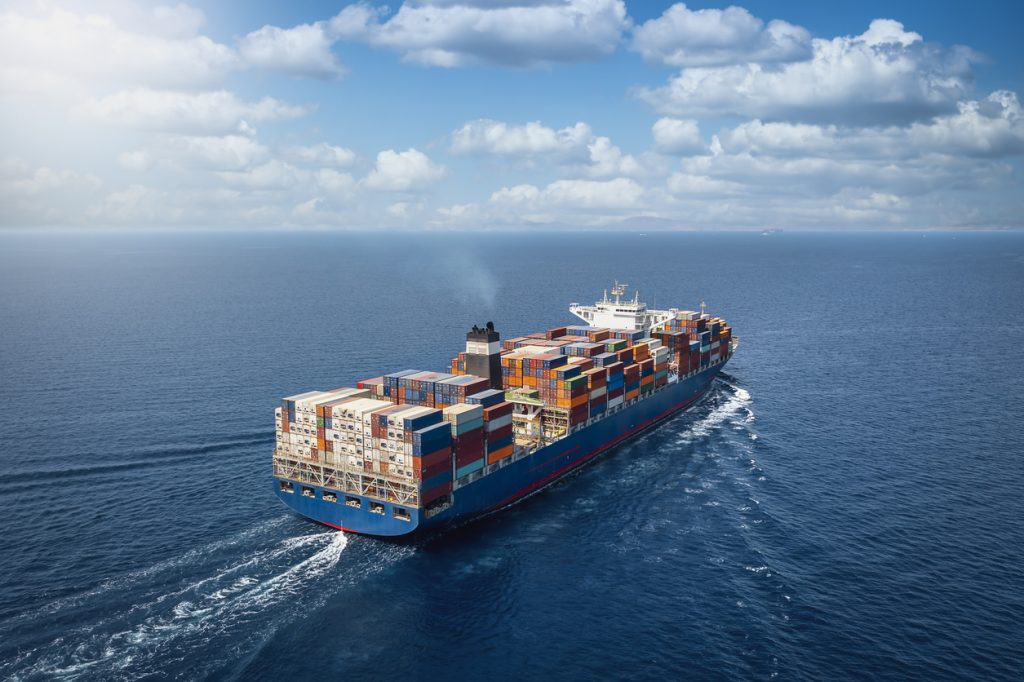
Sea freight Nigeria is one of the most practical options for businesses and individuals bringing in goods that are too heavy, bulky, or expensive to move by air. Whether you are importing shop stock from China, equipment from Europe, household items, or commercial cargo for distribution in Lagos, Abuja, Port Harcourt, Kano, or Onitsha, sea freight helps reduce transport cost when speed is not the only priority.
At Travo.ng, we understand that shipping by sea is not just about putting goods inside a container. Customers usually need help with cargo planning, documentation, port coordination, customs processes, haulage, warehousing, and final delivery. One weak point in the chain can delay everything.
What Sea Freight Really Involves in Nigeria
Many first-time importers assume sea freight ends once the vessel arrives at Apapa, Tin Can Island, Onne, or Port Harcourt port. In reality, the work often starts before the goods leave the origin country.
A typical shipment may involve:
- Pickup from supplier or warehouse abroad
- Export documentation
- Container loading or cargo consolidation
- Ocean movement to Nigeria
- Arrival notice and port handling
- Customs documentation and duty processing
- Terminal charges and release coordination
- Trucking from port to warehouse, shop, office, or residence
This is why working with a logistics partner that understands Nigerian port realities matters. Delays can come from incomplete invoices, wrong cargo descriptions, poor packaging, unpaid charges, or lack of a clear delivery plan after clearing.
When Sea Freight Makes More Sense Than Air Freight
Air freight is faster, but it is usually costly for heavy cargo. Sea freight is better when you are moving larger volumes and can wait a few weeks.
Sea freight is often suitable for:
- Electronics and appliances
- Fashion stock and boutique items
- Building materials
- Machinery and spare parts
- Furniture and household goods
- Supermarket supplies
- Office equipment
- Vehicle parts
- Bulk business inventory
For example, a business importing 20 cartons of shoes or kitchen equipment may find air freight too expensive. Moving the same items by sea can lower the landing cost, especially when the cargo is not urgently needed.
Common Routes and Port Realities Customers Should Know
Most sea cargo entering Nigeria comes through Lagos ports, especially Apapa and Tin Can Island. These ports handle a large volume of containers, but traffic, terminal congestion, documentation gaps, and trucking delays can affect timelines.
Cargo may also move through Onne or Port Harcourt depending on destination, supplier arrangement, or type of goods. For businesses in the South East or South South, using the right port and inland transport plan can reduce unnecessary Lagos-to-East trucking stress.
A shipment coming into Lagos may still need onward movement to places like:
- Abuja
- Ibadan
- Benin
- Enugu
- Aba
- Onitsha
- Kano
- Kaduna
- Port Harcourt
- Warri
This final movement is where many customers struggle. After clearing, they still need safe trucking, delivery scheduling, cargo handling, and sometimes temporary storage. Travo.ng can support this wider movement, especially when sea freight connects with local delivery, cargo logistics, or business distribution.
How Long Sea Freight to Nigeria Usually Takes
Timelines depend on origin country, shipping line, vessel schedule, customs readiness, and port conditions. As a general guide, sea freight from China to Nigeria may take several weeks, while shipments from Europe or the Middle East can vary based on route and consolidation.
The real mistake is planning only for sailing time. Customers should also allow time for:
- Supplier preparation
- Container loading
- Transit delays
- Port discharge
- Documentation review
- Customs and terminal release
- Inland delivery
If goods are needed for a festive sales period, office setup, project launch, or retail restock, it is safer to plan early. December, Easter periods, school resumption seasons, and major sales periods can increase demand for shipping, trucking, and delivery support.
Mistakes People Make With Sea Freight Nigeria Shipments
Several avoidable issues cause delays and extra charges. The most common ones include:
- Using incomplete product descriptions
Customs and shipping documentation should clearly describe the goods. Vague descriptions can create inspection issues. - Ignoring destination delivery costs
Some customers budget only for shipping and clearing, then get surprised by trucking or last-mile delivery fees. - Poor packaging
Sea freight involves long handling chains. Weak cartons, unprotected fragile items, and poor palletizing can lead to damage. - Not confirming restricted or regulated items
Some products require special permits, SONCAP, NAFDAC, or other compliance documents. - Waiting until cargo arrives before planning delivery
Port storage and demurrage can become expensive when nobody is ready to receive or move the goods.
How Travo.ng Helps Make the Process Easier
Travo.ng supports customers who need sea freight Nigeria solutions as part of a wider logistics plan. Beyond shipping coordination, customers may also need cargo movement, courier services, delivery services, relocation logistics, vehicle hire, airport pickup, hotel booking, or transport support depending on the situation.
For businesses, this can mean arranging cargo movement from port to warehouse and then distributing items to branches or customers. For individuals relocating or importing household goods, it may involve planning delivery to a home, office, or storage location without unnecessary confusion.
The goal is simple: help customers move goods with clearer planning, better coordination, and fewer surprises.
Before You Book Your Next Shipment
Before choosing sea freight, confirm the cargo type, weight, volume, origin, destination, urgency, and documentation needs. Also ask what happens after the goods arrive in Nigeria. A cheap shipping quote can become expensive if clearing, storage, and inland transport are not properly planned.
With Travo.ng, customers can discuss their cargo needs, arrange practical logistics support, and connect sea freight with reliable movement within Nigeria. Whether you are importing business stock, handling bulk cargo, or planning interstate delivery after port release, Travo.ng can help you manage the process more confidently.
