


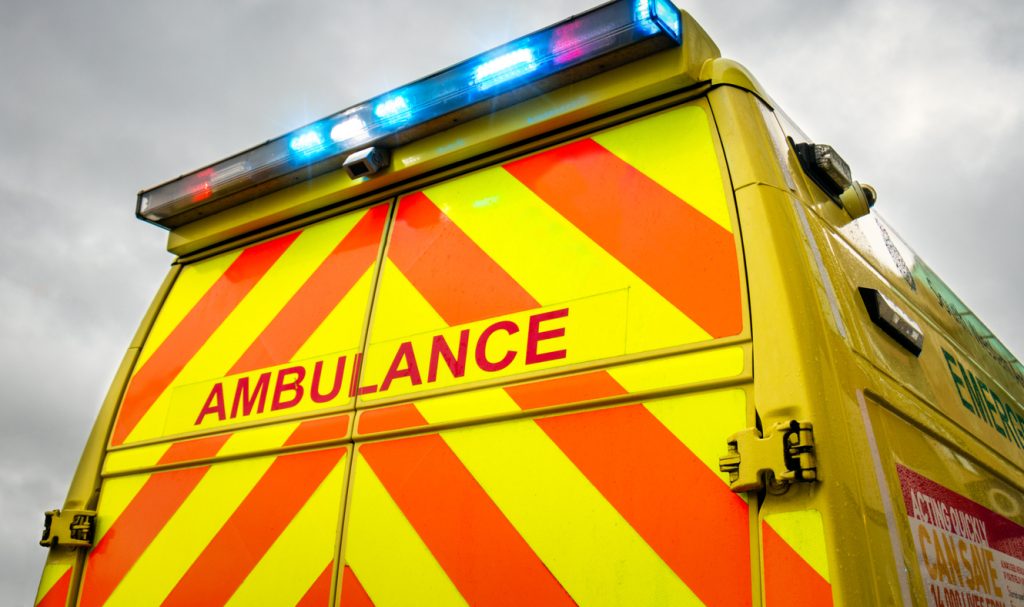
Getting rescue equipment to the right location on time can be the difference between a controlled emergency response and a serious operational problem. For hospitals, construction companies, marine operators, NGOs, security teams, industrial facilities, and emergency-response organisations, rescue equipment delivery in Nigeria requires more than putting items in a vehicle and sending them out.
The equipment may be bulky, fragile, expensive, or urgently needed. Some deliveries involve first-aid kits and protective gear, while others may include life jackets, stretchers, emergency lighting, ropes, helmets, rescue tools, or specialised safety equipment.
Travo.ng helps businesses and organisations coordinate the movement of rescue and emergency equipment across Nigerian cities and interstate routes, with practical logistics support based on the size, urgency, and destination of each shipment.
Getting Emergency Equipment Across Lagos Without Losing Hours
Same-day delivery within Lagos can sound straightforward until traffic, loading delays, poor address descriptions, and restricted access points are involved.
Moving rescue equipment from Ikeja to Lekki, for example, can take considerably longer during weekday peak traffic than during off-peak periods. A delivery going to an industrial site around Apapa may also require additional planning because of truck traffic and access restrictions.
For urgent deliveries, dispatch planning should consider:
- Pickup location and loading requirements
- Equipment dimensions and weight
- Destination access conditions
- Delivery deadline
- Suitable vehicle type
- Traffic conditions along the route
- Contact details for the receiving team
Travo.ng can coordinate courier or vehicle-based delivery depending on what is being moved. Small emergency supplies may fit into regular parcel logistics, while larger equipment may require a van, pickup, or dedicated vehicle.
Interstate Rescue Equipment Delivery in Nigeria Needs Better Planning
Moving equipment between states introduces different challenges.
A Lagos-to-Abuja shipment, for instance, may require overnight or next-day movement depending on the vehicle, cargo size, departure time, road conditions, and delivery arrangement. Deliveries to Port Harcourt, Benin City, Ibadan, Kano, or other major commercial centres also need realistic scheduling rather than optimistic promises.
Businesses should avoid waiting until an emergency before identifying how critical equipment will be transported.
Where possible, prepare details such as the exact item count, approximate weight, packaging dimensions, pickup readiness, and required delivery date before requesting transport.
These details help determine whether the shipment should move as consolidated cargo or through a dedicated vehicle.
Packaging Can Be Just as Important as the Delivery Vehicle
Rescue equipment is often built for tough environments, but that does not mean it should be transported carelessly.
Electronic emergency equipment may need cushioning against vibration. Helmets and protective devices should be packed to prevent crushing. Metal tools should be secured so they cannot damage other items in transit.
If equipment contains multiple components, clearly label cartons or containers so the receiving team can confirm everything has arrived.
For business deliveries, it is also useful to prepare a basic inventory showing quantities and item descriptions. This reduces confusion when equipment is delivered to warehouses, hospitals, construction sites, corporate facilities, or emergency-response locations.
What Can Affect the Cost of Rescue Equipment Delivery
There is no single nationwide delivery price because logistics costs depend on the shipment.
A small box of safety supplies moving within Abuja will cost far less than several cartons of rescue equipment requiring a dedicated vehicle from Lagos to Port Harcourt.
Common pricing factors include distance, vehicle type, cargo weight, shipment volume, urgency, fuel costs, loading assistance, and whether the vehicle is dedicated to one customer.
Urgent same-day requests can also cost more because the logistics provider may need to assign a vehicle immediately instead of combining the shipment with scheduled deliveries.
Getting a clear quotation before dispatch helps businesses budget properly and avoid last-minute surprises.
Coordinating Deliveries for Companies and Emergency Teams
Organisations that regularly move safety equipment usually need more than occasional parcel delivery.
A construction company may need protective and rescue supplies sent to multiple project sites. A marine business may need life-saving equipment transported between Lagos and coastal operating locations. An NGO could be distributing emergency supplies to several states during a response operation.
Travo.ng can support these situations through courier services, cargo logistics, transport coordination, vehicle hire, and business logistics support where appropriate.
For deliveries involving airport arrivals, the movement can also be coordinated from cargo collection or an agreed pickup location to the final destination.
Arrange the Right Delivery Before the Equipment Is Needed
Emergency logistics works best when transport planning happens early.
Confirm the equipment size, destination, deadline, packaging, and receiving contact before dispatch. For time-sensitive shipments, avoid scheduling collection too close to the required delivery time, particularly when Lagos traffic or long interstate distances are involved.
With properly coordinated rescue equipment delivery in Nigeria, businesses and response teams can move important safety supplies more reliably without depending on improvised transport arrangements.
Travo.ng provides practical delivery and logistics coordination for organisations that need to move equipment within cities or across Nigeria. Customers can arrange courier delivery, cargo movement, dedicated transport, or vehicle hire according to the urgency and size of the shipment.
