


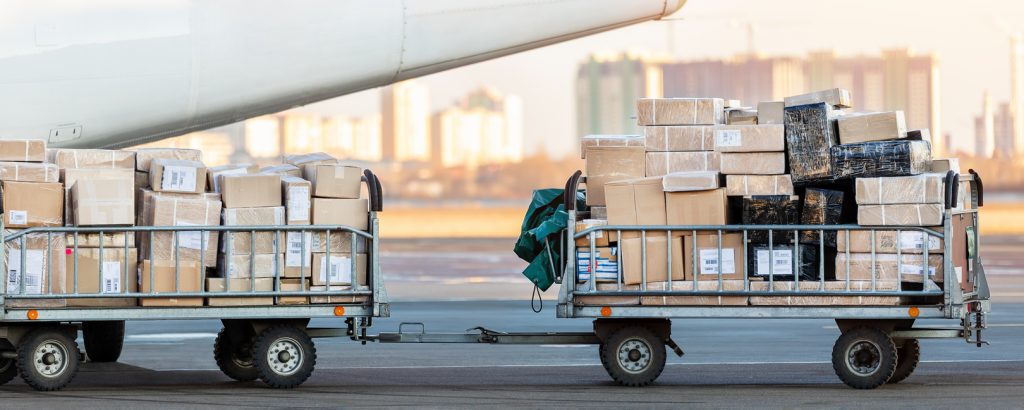
Getting an air freight cargo release order in Nigeria is one of the most important steps between a shipment arriving at the airport and the goods actually leaving the cargo terminal. For businesses and individuals importing through Lagos, Abuja, or other Nigerian airports, delays at this stage can quickly lead to extra storage charges, missed deliveries, and frustrated customers.
The process is easier when your documents are ready before the aircraft lands and someone is already coordinating the cargo pickup.
What a Cargo Release Order Actually Means
A cargo release order confirms that the airline, handling company, freight agent, or other responsible party has cleared the shipment for the next stage of collection.
It does not automatically mean the cargo can immediately leave the airport. Depending on the shipment, customs procedures, terminal charges, documentation checks, and physical examination may still need to be completed.
For air cargo coming into Murtala Muhammed International Airport in Lagos, for example, the consignee or clearing representative may need to work with several parties before the goods can be moved out of the cargo terminal.
This is why experienced coordination matters. A missing document can hold up an otherwise straightforward shipment.
Documents You Should Prepare Before the Cargo Arrives
Requirements vary depending on the goods and how they were imported, but common documents may include:
- Air Waybill
- Commercial invoice
- Packing list
- Identification or company documents
- Customs-related documentation
- Relevant permits for regulated goods
- Evidence of applicable airline or terminal payments
The details on these documents should match. Differences in the consignee’s name, shipment description, quantities, or airway bill information can slow down the release process.
Businesses receiving regular air freight should also avoid waiting until the cargo arrives before contacting their logistics provider.
How Long Air Cargo Release Can Take in Nigeria
There is no single release time for every shipment.
Straightforward cargo with complete documentation may move through the process relatively quickly. Shipments requiring customs inspection, additional approvals, document corrections, or outstanding payments can take longer.
Timing also depends on when the flight arrives. Cargo landing late in the day may not complete every necessary step before terminal or agency processing closes.
Peak periods can create additional pressure. During festive seasons and busy commercial periods, higher cargo volumes can mean longer queues at terminals.
Planning the airport pickup before release is therefore just as important as completing the paperwork.
Why Storage Charges Become Expensive Quickly
One common mistake is assuming cargo can remain at the airport for several days without financial consequences.
Air cargo terminals usually operate within specific storage and free-period rules. Once the applicable free period ends, additional storage costs may begin accumulating.
For a commercial shipment, even a short avoidable delay can affect margins.
Importers should confirm:
- When the cargo actually arrived.
- Whether all release documents are available.
- What charges remain unpaid.
- Whether customs processing is complete.
- Who will collect and transport the shipment once released.
Having these answers early reduces unnecessary airport delays.
Moving Cargo After Release From the Airport
Obtaining an air freight cargo release order in Nigeria solves only part of the logistics problem. The goods still need to reach their warehouse, office, shop, customer, or another Nigerian city.
A Lagos importer receiving cartons of electronics, spare parts, documents, or business supplies may need immediate transportation from the airport to Ikeja, Apapa, Lekki, Victoria Island, or another location.
Larger consignments may require a suitable cargo vehicle rather than a standard courier vehicle.
For shipments continuing from Lagos to Abuja, Port Harcourt, Ibadan, Benin City, or other destinations, interstate transportation should ideally be arranged before the cargo is released.
Travo.ng can support this stage through cargo logistics, courier services, delivery coordination, vehicle arrangements, and business logistics support.
Avoid Treating Cargo Release and Delivery as Separate Jobs
Many avoidable delays happen because one person handles airport clearance while another starts searching for transportation only after the shipment is ready.
A better approach is to coordinate the entire movement from arrival to final delivery.
If your goods are coming through a Nigerian airport, Travo.ng can help arrange the logistics required after release, including airport cargo pickup, local delivery, interstate movement, and transportation for larger consignments.
That makes it easier to move your shipment from the cargo terminal to its final destination without creating another delay immediately after clearance.
