


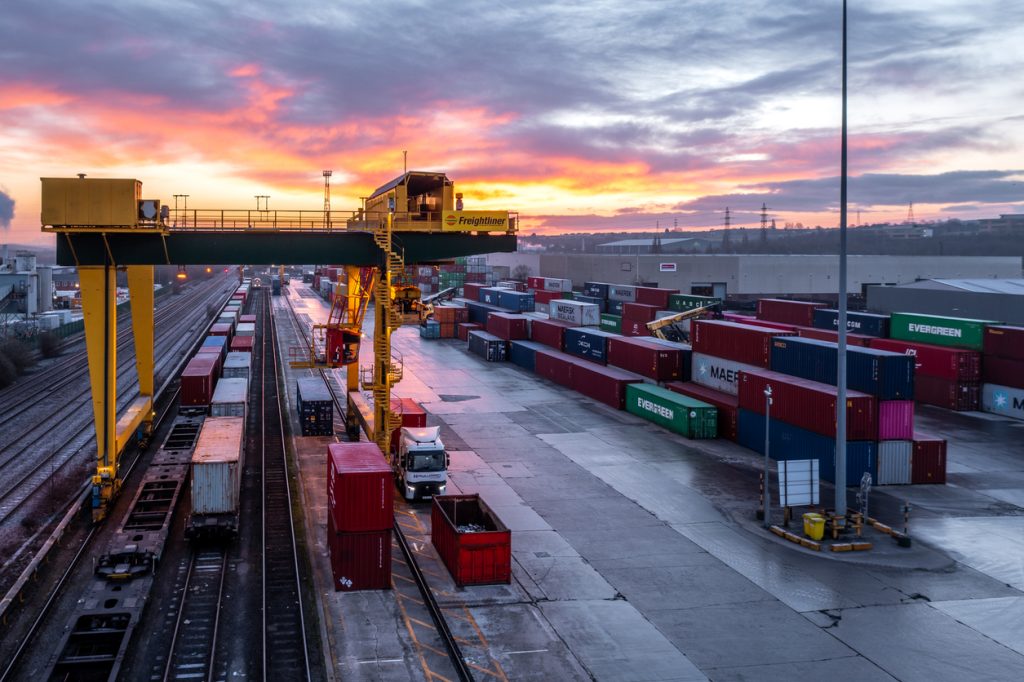
Getting goods into Nigeria is not only about arranging freight and waiting for cargo to arrive. The paperwork submitted for customs clearance can determine whether a shipment moves quickly or spends extra days at the port, airport, or bonded terminal.
For businesses and individuals handling imports, understanding customs entry documentation Nigeria requirements helps reduce delays, avoid unnecessary storage charges, and make delivery planning more predictable.
At Travo.ng, cargo logistics support can include coordinating the movement of imported goods after clearance, arranging transport, and helping customers manage the practical steps between arrival and final delivery.
The Documents Usually Needed Before Customs Clearance Starts
The exact paperwork depends on the type of goods, method of shipment, value, and applicable regulations. However, importers commonly work with documents such as:
- Commercial invoice
- Packing list
- Bill of lading or air waybill
- Form M documentation where applicable
- Product certificates or permits for regulated goods
- Insurance documents
- Shipping and freight details
- Customs declaration information
- Import duty and assessment records
One common mistake is waiting until the cargo has already arrived in Nigeria before checking whether every document matches.
A small difference in the consignee’s name, product description, quantity, weight, or invoice value can create questions during clearance.
Why Accurate Cargo Descriptions Matter More Than People Expect
Customs documentation should describe what is actually inside the shipment.
Writing a broad description such as “equipment,” “accessories,” or “general goods” may not provide enough information for proper classification. Customs assessment often depends on the specific type of item being imported.
For example, a business importing electrical equipment into Lagos needs documentation that clearly identifies the goods instead of relying on vague descriptions from the overseas supplier.
Before shipping, compare the commercial invoice, packing list, and freight documents. Product names and quantities should make sense across all three.
What Happens When Your Shipment Reaches Lagos
Many imports enter Nigeria through Lagos because of the concentration of seaports, cargo terminals, airports, warehouses, and distribution networks in the state.
But arrival does not automatically mean the goods are ready for delivery.
The shipment may still need customs processing, assessment, payment confirmation, examination, terminal release, and collection arrangements.
This is why businesses moving cargo from Lagos to Abuja, Ibadan, Benin City, Port Harcourt, or other destinations should avoid promising customers a final delivery date based only on the vessel or flight arrival date.
Build clearance time into your logistics schedule.
Storage Charges Can Turn a Documentation Problem Into an Expensive One
Missing paperwork becomes more serious when cargo begins accumulating terminal or storage charges.
If a shipment cannot be processed because an invoice needs correction or an important permit is unavailable, every additional day may increase the overall cost of receiving the goods.
Importers can reduce this risk by checking documentation before the shipment leaves the country of origin.
For regular business imports, it also helps to maintain a standard document checklist for suppliers so the same mistakes do not happen repeatedly.
Plan Transportation Before the Cargo Is Finally Released
Customs clearance is only one part of the job.
Once goods are released, you may still need:
- Port or terminal pickup
- Cargo transportation
- Warehouse delivery
- Interstate haulage
- Last-mile distribution
- Business delivery coordination
Imagine clearing commercial goods in Lagos that need to reach customers in Abuja. Waiting until release day before looking for suitable transportation can create another avoidable delay.
Travo.ng can support cargo logistics and transport coordination, helping businesses arrange the next stage of movement instead of treating customs clearance and delivery as completely separate operations.
A Practical Checklist Before Shipping Goods to Nigeria
Before your supplier dispatches the cargo, confirm that:
- The consignee details are correct.
- The invoice accurately describes the goods.
- Quantities match the packing list.
- Freight documents use consistent information.
- Required permits or certificates are available.
- You understand the expected customs and clearance process.
- Transportation after clearance has been considered.
Good preparation will not remove every possible delay, but it significantly reduces problems caused by preventable paperwork errors.
When handling customs entry documentation Nigeria, think beyond submitting forms. Your documentation, clearance arrangements, cargo pickup, transportation, and final delivery should work as one connected logistics process.
For businesses that need support moving cargo after customs processing, Travo.ng provides cargo logistics, delivery coordination, interstate transport, and business logistics services designed around the realities of moving goods across Nigeria.
