


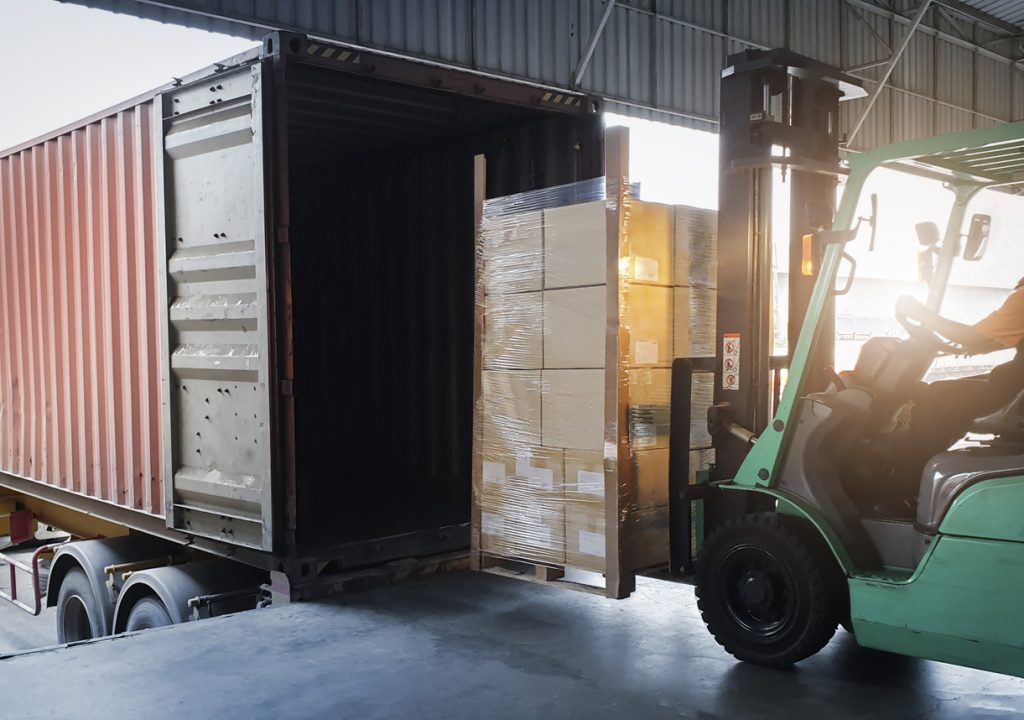
Importing goods into Nigeria can look straightforward until your shipment reaches the port or airport and the real work begins. Documentation has to match the cargo, duties and charges must be handled correctly, and the goods still need to move from the terminal to your warehouse, shop, office, or customer.
For businesses looking for dependable import logistics clearing Nigeria support, the biggest advantage is having someone coordinate these moving parts instead of dealing with clearing, transport, and final delivery separately.
Travo.ng helps businesses and individuals organise import logistics, cargo movement, transport coordination, and delivery so shipments can move more smoothly after arrival in Nigeria.
What Happens When Your Shipment Arrives in Nigeria?
An imported shipment does not simply leave the port because it has arrived.
Depending on the cargo and shipping method, the process may involve documentation checks, customs procedures, terminal handling, clearing coordination, cargo pickup, and transportation to the final destination.
For example, a Lagos business importing cartons of electronics through Apapa may need to arrange:
- Clearing documentation and shipment processing
- Terminal or shipping-related charges
- Vehicle availability for cargo evacuation
- Movement from Apapa to a Lagos warehouse
- Interstate delivery if the goods are going to Abuja, Ibadan, Benin, or another city
Poor coordination at any stage can create delays and additional storage or handling costs.
Documents Should Be Checked Before the Cargo Arrives
One mistake importers make is waiting until the shipment reaches Nigeria before confirming that all documentation is ready.
Depending on the type of import, documents may include the commercial invoice, packing list, bill of lading or airway bill, Form M documentation, and other permits or certificates required for specific goods.
Descriptions, quantities, values, and consignee information should be consistent.
A small discrepancy can become a major problem when cargo is already sitting at a terminal and charges are accumulating.
Clearing Cost Depends on More Than the Size of the Shipment
There is no sensible single price for import clearing in Nigeria.
The final cost can depend on the value and classification of the goods, shipment size, port or airport of arrival, applicable duties, terminal charges, shipping line charges, documentation, and transportation requirements.
A few cartons arriving by air freight will have very different logistics requirements from a container arriving at Tin Can Island Port.
Importers should therefore request a shipment-specific assessment instead of relying on a generic clearing price advertised online.
Moving Cargo Out of Lagos Requires Proper Transport Planning
Clearing the goods is only part of the job.
Once cargo is released, the next question is how quickly it can be evacuated.
For cargo leaving Apapa or Tin Can, vehicle timing matters because Lagos traffic can turn a simple movement into a long operational delay. Businesses should also consider whether the cargo requires a van, pickup, truck, or larger vehicle.
If the shipment is heading outside Lagos, transport should ideally be arranged before release.
A retailer receiving imported stock in Abuja, for instance, may need coordinated port pickup, interstate cargo transport, and final delivery to a warehouse.
Delays Can Become Expensive Very Quickly
Importers often focus heavily on customs duties while overlooking operational costs caused by delays.
Extra storage, demurrage-related expenses, repeated transportation arrangements, and missed sales opportunities can all increase the true cost of an import.
This becomes particularly important for businesses bringing in fast-moving goods for festive periods or major sales campaigns.
If stock intended for December sales is delayed during the high-volume November and December import period, the commercial impact can be much greater than the additional logistics charge itself.
How Travo.ng Supports Import Logistics in Nigeria
Travo.ng can help coordinate the movement surrounding imported cargo rather than leaving customers to organise every stage independently.
Depending on the shipment, support may include cargo logistics, clearing coordination, vehicle arrangements, interstate transport, courier delivery, and business logistics support.
This is particularly useful for SMEs importing stock, companies receiving equipment, online retailers bringing in merchandise, and individuals who need cargo moved from the point of arrival to another Nigerian city.
Customers can also coordinate related Travo.ng services where necessary, including business deliveries, transport arrangements, and relocation logistics.
Before You Book Import Clearing Support
Provide accurate shipment details from the beginning.
Have information such as the cargo description, quantity, weight or container size, country of origin, expected arrival point, shipping documents, and final Nigerian destination available.
The clearer the information, the easier it is to plan clearing and onward transportation without unnecessary surprises.
Import logistics works best when documentation, clearing, transport, and final delivery are treated as one connected operation.
For businesses searching for import logistics clearing Nigeria services, Travo.ng provides a practical way to coordinate cargo movement from arrival through to final delivery. Share your shipment details with Travo.ng and arrange the logistics support you need before your goods arrive.
