


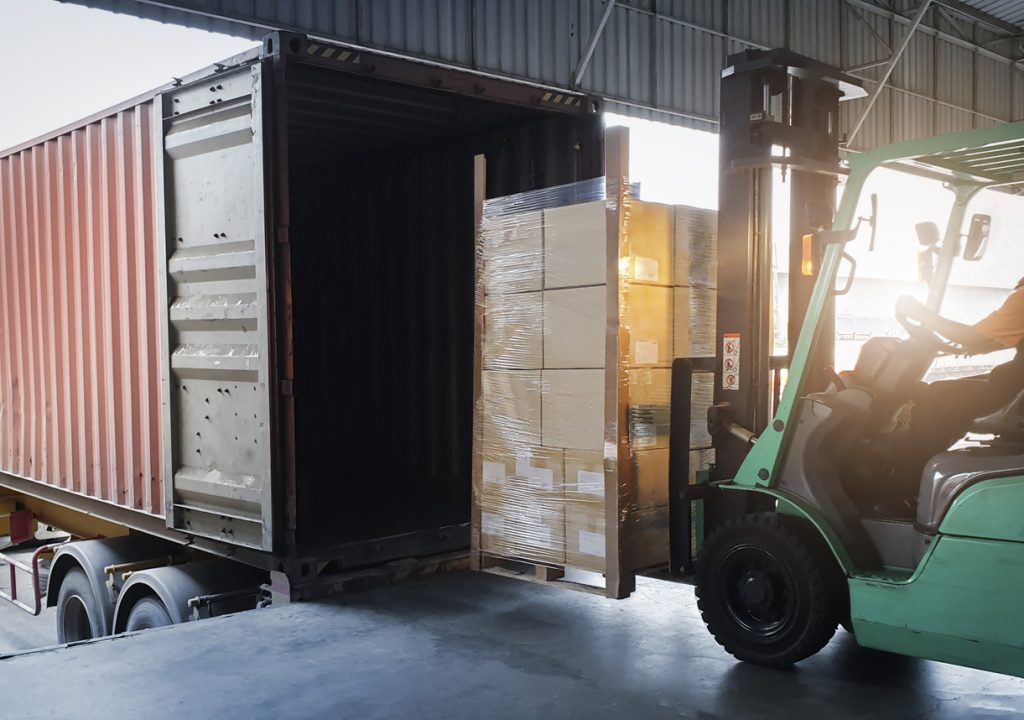
Moving cargo through Nigeria is rarely just about putting goods on a truck and sending them to the next destination. When shipments are passing through ports, bonded terminals, border points, airports, or customs-controlled locations, proper clearance and coordination become essential.
For businesses and individuals searching for transit cargo clearance Nigeria services, the main concern is usually simple: how do you get the shipment cleared correctly and keep it moving without unnecessary delays, storage charges, or documentation problems?
Travo.ng supports cargo owners, businesses, and logistics teams with practical coordination for transit cargo movement, delivery, transport, and related logistics requirements across Nigeria.
What Transit Cargo Clearance Actually Involves
Transit cargo is typically moving through a customs-controlled location before continuing to another approved destination. Depending on the shipment, this could involve cargo arriving through Lagos and continuing inland, goods moving between bonded locations, or shipments passing through Nigeria as part of a wider regional route.
The clearance process can involve:
- Reviewing shipping and cargo documents
- Coordinating customs-related procedures
- Confirming cargo details and destination
- Managing movement from terminals or warehouses
- Arranging onward transportation
- Tracking handover between different logistics operators
A mistake in any of these areas can leave cargo sitting longer than expected.
Why Cargo Sometimes Gets Delayed in Nigeria
Many clearance delays begin before the goods even arrive.
Incorrect descriptions, inconsistent paperwork, missing supporting documents, or poor coordination between the clearing and transport teams can create avoidable problems. In busy locations such as Lagos ports, even a small delay can become more expensive once terminal storage and vehicle waiting time start accumulating.
Cargo owners should therefore prepare documentation early and confirm who is responsible for each stage of the movement.
For example, if a shipment is arriving in Lagos and travelling onward to Abuja, Kano, Ibadan, or another Nigerian city, the transport arrangement should not begin only after clearance is completed. Vehicle availability, cargo size, loading requirements, and expected release timing should already be considered.
Moving Cargo From Lagos After Clearance
Lagos remains one of Nigeria’s most important entry points for imported and transit shipments. However, getting cargo released is only one part of the job.
The next challenge is moving it efficiently through Lagos traffic and onto the correct interstate route.
A shipment travelling from Lagos to Abuja may require a dedicated truck, while smaller commercial cargo can sometimes be consolidated depending on urgency and handling requirements. Sensitive, fragile, high-value, or time-critical cargo may need more controlled transport arrangements.
Travo.ng can help coordinate cargo logistics, vehicle arrangements, delivery services, and interstate movement based on the practical requirements of the shipment.
Documents Should Be Checked Before Cargo Arrives
One of the easiest ways to reduce clearance problems is to review paperwork before the shipment reaches the terminal or border point.
Cargo owners should confirm that shipment descriptions, quantities, consignee information, transport documents, and other supporting records are consistent.
Businesses should also keep their logistics contact informed about any change in destination or delivery instructions. A shipment originally scheduled for delivery in Lagos but later redirected to another state may require different transport planning.
Early communication reduces last-minute confusion.
How Long Can Transit Cargo Clearance Take?
There is no single clearance timeline that applies to every shipment.
Timing depends on factors such as cargo type, documentation, arrival location, customs procedures, inspections, terminal operations, and how quickly transport can be arranged after release.
A straightforward shipment with complete documentation can move considerably faster than cargo requiring corrections or additional verification.
Businesses working with deadlines should therefore avoid planning around an unrealistic same-day assumption unless the shipment conditions have already been confirmed.
What Businesses Should Arrange Before Release
Before the cargo is cleared, confirm where it is going and how it will get there.
Useful arrangements include:
- Suitable vehicle capacity
- Loading and offloading requirements
- Delivery address and contact person
- Interstate transport schedule
- Warehouse receiving hours
- Cargo tracking and communication
- Backup plans where release timing changes
This is especially important for businesses supplying retailers, construction sites, distributors, factories, or customers outside Lagos.
Coordinating Transit Cargo With Travo.ng
Travo.ng helps make the movement after clearance easier by connecting cargo requirements with practical logistics support.
Depending on the shipment, this may include cargo transport coordination, interstate delivery, courier support, vehicle hire, business logistics assistance, or onward delivery to the final destination.
Instead of treating customs clearance and transportation as completely separate problems, cargo owners benefit from planning the entire movement as one operation.
If you need transit cargo clearance Nigeria support together with reliable onward cargo movement, Travo.ng can help you coordinate the process from release through transportation and final delivery.
