


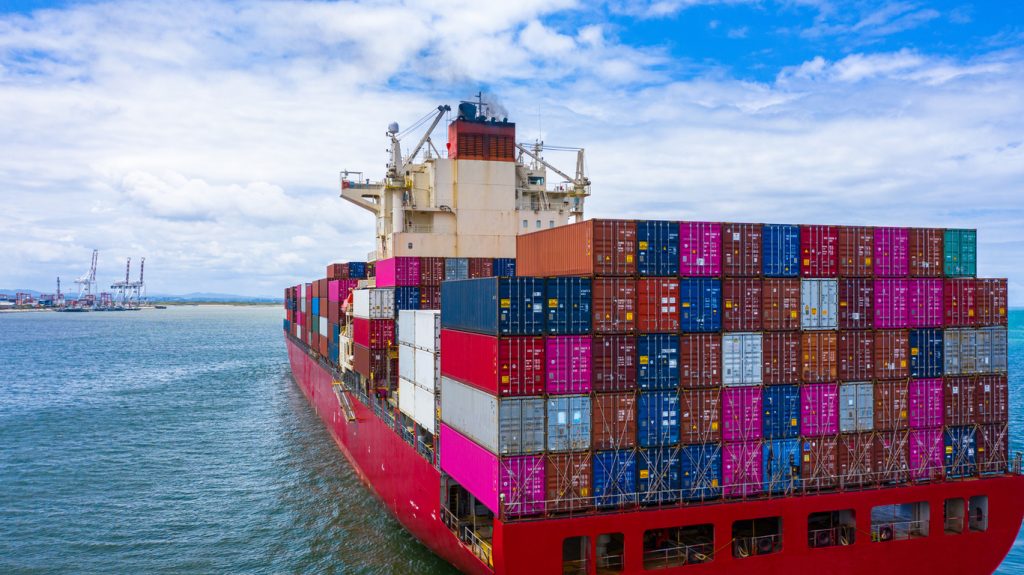
Importing goods into Nigeria does not end when a vessel arrives at the port or an aircraft lands with your cargo. For many businesses, the difficult part begins afterwards: clearing the shipment correctly, moving it out without unnecessary delays, finding safe storage, and arranging final delivery.
That is why businesses searching for warehouse and customs clearance Nigeria services usually need more than a clearing agent. They need someone who can coordinate the entire movement of their goods from the point of arrival to storage and onward delivery.
Travo.ng helps businesses and individuals manage cargo logistics, warehouse coordination, customs clearance support, transport, and delivery within Nigeria.
What Happens After Your Goods Arrive in Nigeria
Cargo entering Nigeria may arrive through major gateways such as Apapa Port, Tin Can Island Port, Murtala Muhammed International Airport in Lagos, or other approved entry points.
Once the shipment arrives, several steps may still be required before the goods can reach your shop, office, warehouse, or customer.
These can include:
- Confirming shipping and import documentation
- Processing customs requirements
- Paying applicable duties and charges
- Coordinating cargo examination where required
- Arranging release from the terminal
- Moving the goods to a warehouse
- Planning final delivery to the required destination
A delay at one stage can affect everything else. For example, arranging a truck only after cargo has been released may leave goods waiting longer than necessary. Good logistics planning begins before clearance is completed.
Why Customs Clearance Delays Become Expensive
Many importers focus mainly on customs duties and forget about the operational costs caused by delays.
If documentation is incomplete or cargo movement is poorly coordinated, businesses can face storage charges, terminal expenses, vehicle rescheduling, missed customer deadlines, and stock shortages.
The problem becomes more serious for businesses importing products for specific sales periods.
A retailer expecting inventory before Christmas, for instance, cannot afford unnecessary delays in December when demand for transport, cargo handling, and warehouse space is already high.
Providing accurate shipment details early makes customs clearance and onward logistics much easier to coordinate.
When Warehousing Makes More Sense Than Immediate Delivery
Not every shipment should move directly from the port to its final destination.
A Lagos distributor importing several pallets may only need part of the stock immediately. Moving everything to a suitable warehouse can make inventory distribution easier.
Warehousing is also useful when:
- Your shop cannot receive the entire shipment at once
- Goods need to be divided among several locations
- Customers will receive orders at different times
- Interstate delivery is being arranged separately
- You need temporary storage before distribution
For example, cargo cleared in Lagos might be stored temporarily before portions are transported to Abuja, Ibadan, Benin City, Port Harcourt, or other destinations.
Combining warehousing with transport planning reduces unnecessary vehicle movements and makes distribution easier to control.
Documents Importers Should Prepare Early
Customs clearance problems often begin before the shipment even arrives.
Depending on the type of goods and import process involved, documents may include commercial invoices, packing lists, shipping documents, permits, certificates, and other regulatory documentation.
Importers should confirm requirements before cargo leaves the country of origin rather than trying to correct documents after arrival.
Businesses handling regular imports should also maintain organised shipment records. When invoices, cargo descriptions, quantities, and consignee information are consistent, logistics teams can prepare earlier for clearance and transportation.
Moving Cleared Cargo From Lagos to Other Cities
Getting customs approval is only one part of the job. The cargo still has to reach its destination.
A business importing equipment for a project in Abuja, for example, may need port pickup, truck coordination, temporary warehousing, and interstate transport.
Another importer may need goods moved from a Lagos warehouse to multiple retail outlets.
Travo.ng can support these movements through cargo logistics, transport coordination, delivery services, vehicle arrangements, and business logistics support.
The aim is to avoid situations where one provider clears the cargo, another stores it, and the importer is left trying to arrange transportation at the last minute.
Plan Clearance and Storage Before the Shipment Arrives
The easiest cargo movement is usually the one planned early.
Before your shipment reaches Nigeria, confirm the expected arrival point, documentation, estimated cargo size, storage requirements, destination, and preferred delivery schedule.
If warehousing will be required, arrange it before clearance is completed. If the goods must leave Lagos for another state, transport planning should also begin early.
For businesses looking for dependable warehouse and customs clearance Nigeria support, Travo.ng can help coordinate customs clearance requirements, cargo storage, transportation, and final delivery.
Whether you are importing commercial stock, equipment, business supplies, or other approved cargo, you can arrange the logistics through Travo.ng and keep the movement of your shipment organised from arrival to destination.
