


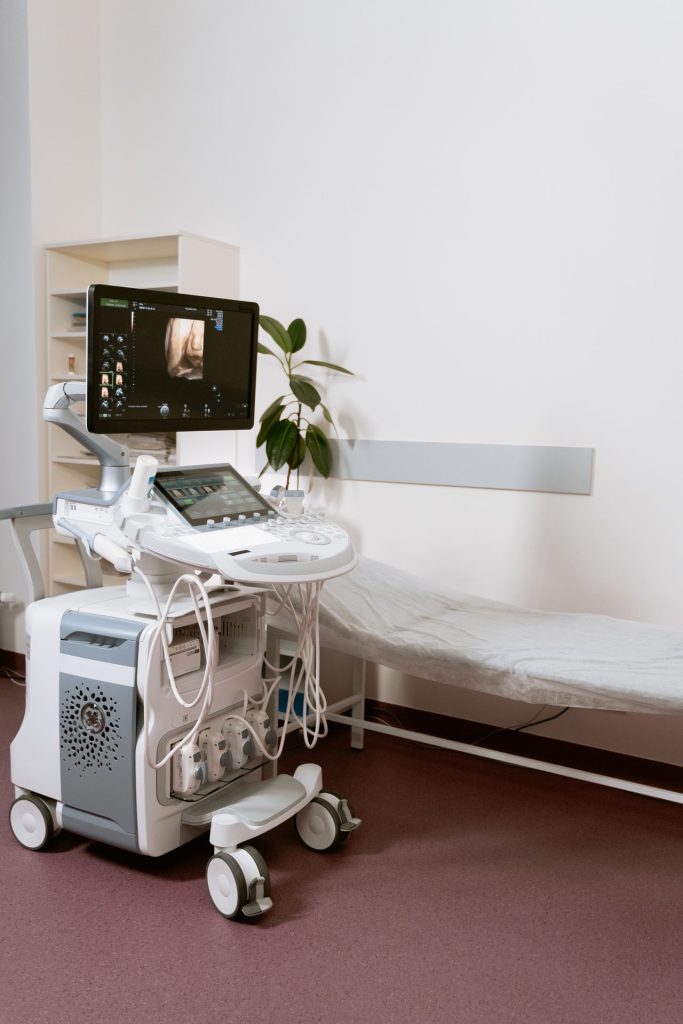
Moving medical equipment is not the same as moving regular cargo. A hospital bed, dialysis machine, theatre light, oxygen concentrator, laboratory fridge, or diagnostic scanner needs careful handling from pickup to final installation point. That is why healthcare infrastructure logistics in Nigeria requires proper planning, trained coordination, and vehicles that can handle sensitive equipment safely.
For hospitals, clinics, laboratories, NGOs, medical suppliers, and healthcare contractors, delays can affect real patients. A machine stuck in transit, damaged on arrival, or delivered without proper offloading support can disrupt an entire project. In Nigeria, where road conditions, traffic, port delays, and last-mile access can be unpredictable, healthcare logistics must be handled with more attention than ordinary deliveries.
What Makes Medical Infrastructure Movement Different
Healthcare infrastructure projects often involve heavy, expensive, and sensitive items. These are not packages that can simply be loaded into any available van. Many medical items need shock protection, weather protection, careful lifting, and proper documentation.
For example, transporting a dialysis machine from Lagos to a private hospital in Enugu may involve:
Careful pickup from a supplier or warehouse
Protective packaging before loading
A suitable vehicle with enough space and stability
Route planning to avoid unnecessary delays
Communication with the receiving hospital
Offloading support at the destination
Some items may also need special handling because of their value, size, or sensitivity. Laboratory equipment, imaging machines, vaccine storage units, hospital furniture, and operating theatre equipment all require different logistics planning.
Common Healthcare Logistics Routes in Nigeria
Many healthcare equipment movements start from Lagos because several importers, distributors, and clearing agents operate around Apapa, Ikeja, Oshodi, Isolo, and Amuwo Odofin. From there, equipment may need to move to hospitals, clinics, laboratories, or project sites across Nigeria.
Common routes include:
Lagos to Abuja for hospital upgrades, NGO medical projects, and private clinic setup
Lagos to Port Harcourt for oil and gas medical facilities, laboratories, and specialist clinics
Lagos to Ibadan for teaching hospitals, diagnostic centres, and medical suppliers
Lagos to Benin, Enugu, Owerri, and Aba for private hospitals and regional healthcare facilities
Abuja to Kaduna, Jos, Minna, and Lokoja for government or donor-funded medical projects
A small mistake in planning can lead to avoidable delays. For instance, sending delicate equipment through a rough route without proper cushioning can cause internal damage even if the machine looks fine externally.
Planning Before the Equipment Leaves the Pickup Point
Good healthcare infrastructure logistics in Nigeria starts before the vehicle arrives. The first step is to confirm the type of equipment, weight, dimensions, pickup address, destination, delivery deadline, and access situation at both ends.
Before transport, the logistics team should ask practical questions such as:
Can the item be carried manually or does it need lifting equipment?
Is there a loading bay at the pickup point?
Can the delivery vehicle enter the hospital compound?
Is the equipment already packed or does it need extra protection?
Does the receiving team know the delivery time?
Are there stairs, narrow entrances, or elevators at the destination?
These details matter. A hospital bed may be easy to move into a ground-floor ward, but a diagnostic machine going into an upstairs laboratory may require more manpower, special handling, or a separate installation plan.
Realistic Delivery Timelines for Medical Equipment
Delivery timelines depend on the route, vehicle type, pickup readiness, and road conditions. Within Lagos, same-day delivery may be possible for smaller medical equipment if pickup is confirmed early and traffic conditions are manageable.
For interstate movement, timelines are usually different:
Lagos to Ibadan: Often same day, depending on loading time and traffic
Lagos to Abuja: Usually 1 to 2 days for careful cargo movement
Lagos to Port Harcourt: Usually 1 to 2 days, depending on route conditions
Lagos to Enugu or Owerri: Often 1 to 2 days for planned delivery
Abuja to nearby northern cities: Often same day or next day, depending on distance
For sensitive equipment, speed should not be the only priority. It is better to use a properly planned delivery schedule than to rush movement and risk damage.
Mistakes That Can Damage Healthcare Equipment
Many medical logistics problems happen because the job is treated like normal cargo. Some common mistakes include using the wrong vehicle, poor packaging, loading equipment with unrelated goods, failing to secure items properly, and not confirming who will receive the delivery.
Another common issue is poor communication. If a truck arrives at a hospital and nobody is available to receive or inspect the item, the driver may wait for hours. In some cases, the equipment may be offloaded in the wrong area, exposed to rain, or moved again by untrained hands.
For high-value healthcare equipment, every stage should be coordinated clearly. Pickup, loading, transit, arrival, offloading, and handover should all be planned before the journey begins.
How Travo.ng Supports Healthcare Logistics Projects
Travo.ng helps businesses, medical suppliers, hospitals, and project teams coordinate reliable healthcare infrastructure logistics in Nigeria. Depending on the job, this may include medical equipment transport, cargo movement, delivery coordination, vehicle arrangement, pickup scheduling, and interstate logistics support.
For example, a supplier delivering hospital beds from Lagos to Abuja can use Travo.ng to arrange the right transport, plan pickup timing, and coordinate delivery with the receiving facility. A clinic setting up a new branch may also need help moving furniture, diagnostic equipment, office items, and medical supplies in one planned movement.
Travo.ng’s role is practical: helping customers reduce stress, avoid poor coordination, and move important healthcare items with better planning.
When to Book Healthcare Logistics Support Early
It is best to book logistics support before the equipment is fully ready for dispatch. This gives enough time to confirm vehicle size, manpower needs, route, delivery timing, and packaging requirements.
Early booking is especially important when moving:
Dialysis machines
Hospital beds and theatre equipment
Laboratory machines
Cold chain storage units
Oxygen equipment
Medical furniture
Diagnostic equipment
Bulk medical supplies
Healthcare project materials for new clinics or hospitals
Last-minute booking may still be possible, but sensitive medical cargo is safer when properly planned.
Choosing the Right Logistics Partner
The right logistics partner should understand that healthcare cargo is time-sensitive, valuable, and sometimes fragile. The cheapest transport option is not always the safest. For medical infrastructure projects, what matters most is proper coordination, careful handling, reliable communication, and a clear delivery plan.
Before booking, confirm the pickup and delivery details, equipment type, access restrictions, expected delivery timeline, and whether extra manpower is required. This helps avoid confusion on the delivery day.
For hospitals, clinics, healthcare suppliers, NGOs, and contractors, Travo.ng provides a practical way to arrange healthcare infrastructure logistics in Nigeria without relying on random transport options. Whether it is one machine, a full clinic setup, or recurring medical supply movement, proper logistics planning can make the difference between a smooth delivery and a costly delay.
