


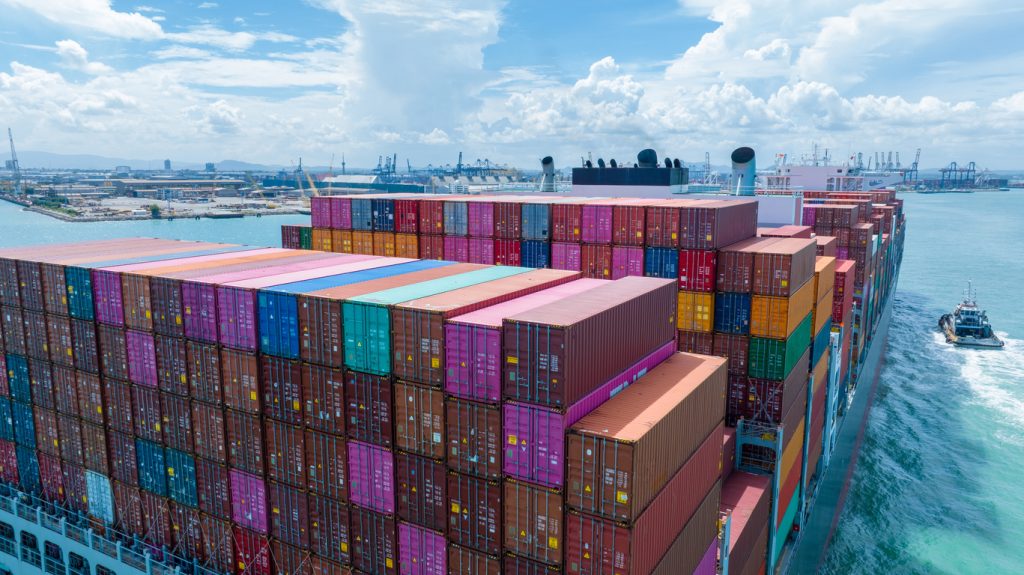
In commercial shipping, even the most advanced vessel cannot operate successfully without a skilled and well-managed crew. Engines, navigation systems, cargo operations, and safety procedures all depend on the people onboard.
Crew management services for ship owners focus on recruiting, training, deploying, and supervising seafarers so vessels operate safely, efficiently, and in full compliance with international maritime standards.
For ship owners and maritime investors, especially those managing cargo ships, tankers, and offshore support vessels, crew management is one of the most important parts of vessel operations.
What crew management services actually involve
Crew management is the structured handling of all human resources onboard a vessel.
It typically includes:
- Recruitment and selection of qualified seafarers
- Certification and licensing verification
- Crew rotation and scheduling
- Payroll and welfare management
- Training and safety compliance
- Performance monitoring onboard
- Immigration and travel coordination
In simple terms, it ensures the right people are on the right vessel at the right time.
Why crew management is critical in shipping operations
A vessel’s performance is directly tied to its crew.
Without proper management, ship owners often experience:
- Operational errors during voyages
- Safety incidents onboard
- Delays in cargo handling
- Poor fuel efficiency due to bad operating practices
- Non-compliance with maritime regulations
- High staff turnover and instability
In shipping, human error is one of the biggest operational risks.
Core components of crew management services
1. Recruitment and selection of seafarers
Finding qualified maritime personnel is not simple.
Crew management teams handle:
- Screening of certified officers and ratings
- Verification of maritime qualifications (STCW compliance)
- Matching crew experience to vessel type
- Background and safety record checks
Different vessels require different skill levels, especially tankers and offshore ships.
2. Certification and compliance management
Every crew member must meet international maritime standards.
Management ensures:
- Valid STCW certification
- Flag state documentation compliance
- Medical fitness certification
- Safety and security training completion
Without valid certification, vessels can face inspection issues or detention.
3. Crew rotation and scheduling
Ships operate globally and require structured crew changes.
Services include:
- Planning rotation schedules
- Coordinating crew travel to and from ports
- Managing handover between shifts
- Ensuring vessel continuity during crew changes
Proper rotation prevents fatigue and improves safety.
4. Payroll and welfare management
Crew members work in demanding environments far from home.
Management includes:
- Salary processing and payment systems
- Contract management
- Insurance and benefits administration
- Welfare support and communication with families
Fair and timely compensation improves retention and performance.
5. Onboard performance monitoring
Crew effectiveness impacts vessel efficiency.
Management teams monitor:
- Operational discipline onboard
- Fuel-efficient sailing practices
- Cargo handling performance
- Compliance with safety procedures
- Team coordination and communication
Poor onboard performance can reduce vessel profitability.
6. Training and safety development
Shipping requires continuous skill improvement.
Services include:
- Safety drills and emergency response training
- Technical skill development for officers
- Environmental compliance training
- Leadership and bridge management training
Well-trained crews reduce operational risks significantly.
7. Immigration and travel logistics
Crew members frequently travel across international borders.
Management handles:
- Visa processing and travel documentation
- Flight coordination for crew changes
- Port entry and exit procedures
- Compliance with immigration requirements
Smooth logistics ensures uninterrupted vessel operations.
Why crew management is more complex than it seems
Crew management is not just staffing—it is operational continuity.
Challenges include:
- Global shortage of skilled seafarers
- High turnover rates in maritime jobs
- Strict international certification rules
- Fatigue management regulations
- Coordination across multiple time zones and ports
A small disruption in crew scheduling can affect entire voyage performance.
The cost of poor crew management
When crew management is weak, ship owners may face:
- Increased safety incidents onboard
- Cargo damage or mishandling
- Higher fuel consumption due to inefficient operations
- Delays in port operations
- Regulatory penalties during inspections
- Reduced vessel reliability and charter value
Human error becomes a direct financial risk.
How effective crew management improves vessel performance
Well-managed crews contribute to:
- Safer vessel operations
- Faster cargo handling and turnaround
- Improved fuel efficiency
- Reduced maintenance issues caused by misuse
- Higher compliance success during inspections
- Better overall vessel reputation in the charter market
In shipping, good crews directly increase profitability.
Crew management challenges in West African maritime operations
For vessels operating in Nigeria and nearby regions, additional challenges include:
- Limited availability of specialised offshore crew
- Complex visa and travel logistics
- Port congestion affecting crew changes
- Training and certification access limitations
- Security and regional operational constraints
These realities make structured crew management even more essential.
Digital transformation in crew management services
Modern systems now use technology to improve efficiency:
- Crew management software platforms
- Digital certification tracking systems
- Payroll automation tools
- Global crew scheduling databases
- Performance monitoring dashboards
These tools reduce errors and improve coordination across fleets.
Where logistics coordination supports crew operations
Crew management depends heavily on logistics support.
This includes:
- Flight and travel booking coordination
- Airport-to-port transport arrangements
- Visa processing logistics
- Emergency crew replacement support
- Accommodation and transit planning
Without logistics support, crew rotation becomes delayed and costly.
How Travo.ng supports maritime logistics coordination
While crew management focuses on staffing vessels, logistics coordination ensures smooth movement of personnel and supplies.
Travo.ng supports maritime operations through:
- Airport pickup and transfer coordination for crew
- Travel logistics support across Nigeria
- Cargo and supply delivery for vessel operations
- Port-to-destination transportation services
- End-to-end logistics coordination for maritime support needs
This helps reduce delays in crew changes and operational downtime.
Final thoughts
Crew management services for ship owners are a critical part of modern maritime operations. A vessel can only perform as well as the people operating it, and without structured recruitment, training, and coordination, even the most advanced ship can suffer inefficiencies.
With proper crew management in place, ship owners gain safer operations, better performance, and more consistent profitability across their vessels.
In the maritime industry, strong crews are not just support—they are the engine of operational success.
