


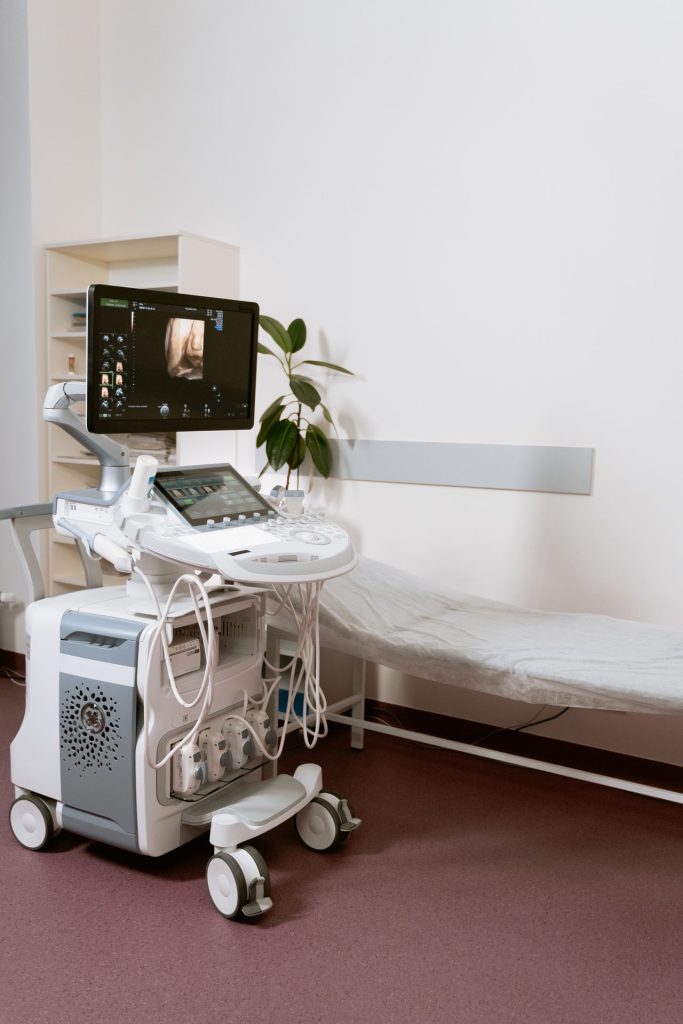
Moving medical equipment in Nigeria is not the same as moving regular cargo. A dialysis machine, oxygen concentrator, hospital bed, ultrasound scanner, dental chair, theatre lamp, or laboratory analyser requires careful handling before, during, and after transport. This is why medical equipment maintenance logistics Nigeria is becoming more important for hospitals, clinics, NGOs, diagnostic centres, and medical suppliers that need equipment delivered, repaired, installed, or repositioned without damage.
In many cases, the challenge is not just transportation. The real issue is coordination. Someone has to pick up the equipment on time, protect it properly, move it through Nigerian roads, deliver it safely, and make sure technicians or facility staff are ready to receive it.
What usually goes wrong when medical equipment is moved carelessly
Many equipment faults happen because of poor handling, not because the machine itself is bad. A scanner that worked perfectly in Ikeja can arrive in Ibadan with a loose panel. A dialysis machine can be affected if it is tilted wrongly, dragged roughly, or exposed to rain while being loaded.
Common problems include:
Poor packaging: Some medical devices are moved with only nylon wrap or light cartons, which is not enough for sensitive parts.
Wrong vehicle choice: A small open pickup may be cheaper, but it may expose equipment to vibration, dust, and weather.
No loading plan: Heavy devices need proper lifting, strapping, padding, and sometimes more than two handlers.
Delayed delivery: If a machine is going for servicing, delay can affect hospital schedules and patient appointments.
No clear handover: When nobody confirms the condition of the equipment at pickup and delivery, disputes become difficult to resolve.
This is why healthcare logistics should be planned with more care than normal parcel delivery.
How maintenance logistics works for hospitals and technicians
Medical equipment maintenance logistics usually involves moving equipment from a hospital, clinic, pharmacy, diagnostic centre, or supplier warehouse to another location for inspection, repair, calibration, installation, or replacement.
For example, a clinic in Lekki may need an ultrasound machine taken to a biomedical technician in Surulere. A dialysis centre in Abuja may need spare parts delivered urgently. A medical supplier in Lagos may need theatre equipment transported to a new hospital site in Port Harcourt.
The process often includes:
Pickup scheduling: Agreeing on the best time to collect the equipment without disrupting hospital operations.
Safe dismantling support: Making sure detachable parts, cables, trays, probes, and accessories are packed separately.
Protective handling: Using padding, straps, cartons, crates, or covered vehicles where necessary.
Route planning: Choosing realistic routes based on traffic, road condition, urgency, and delivery location.
Proof of delivery: Confirming who received the item and whether it arrived in good condition.
For sensitive equipment, these small details matter.
Moving equipment within Lagos, Abuja and across states
In Lagos, medical logistics can be affected by traffic around areas like Ikeja, Yaba, Surulere, Victoria Island, Lekki, Ajah, Oshodi, Apapa, and Lagos Island. A delivery that looks simple on paper can take longer if the pickup is close to hospital peak hours, school traffic, or market congestion.
For interstate movement, planning becomes even more important. Lagos to Abuja, Lagos to Port Harcourt, Abuja to Kaduna, or Lagos to Benin equipment movement may require better packaging, stronger vehicle selection, and clearer delivery timing. Some equipment can go in a van, while heavier hospital items may require a truck or assisted loading.
Typical same-city medical equipment movement may be completed within the same day, depending on traffic and readiness at pickup. Interstate delivery may take one to three days depending on distance, urgency, vehicle type, and road conditions.
What to check before booking medical equipment transport
Before sending out any medical device, hospitals and suppliers should confirm a few things.
Confirm the equipment type and size: A wheelchair, oxygen cylinder, ECG machine, dialysis machine, and hospital bed all need different handling.
Take photos before pickup: This helps document the condition before the item leaves the facility.
Remove loose accessories: Cables, probes, filters, manuals, foot pedals, and detachable trays should be packed and labelled.
Ask about vehicle suitability: Covered vans are better for many sensitive medical items than open vehicles.
Plan who will receive it: The receiving person should be available before the vehicle arrives.
Share handling instructions: If the item must remain upright or must not be stacked, say it clearly before dispatch.
These steps reduce avoidable damage and make the logistics process smoother.
How Travo.ng supports medical equipment maintenance logistics in Nigeria
Travo.ng helps hospitals, clinics, suppliers, technicians, NGOs, and healthcare teams coordinate medical equipment maintenance logistics Nigeria with practical local support. Depending on the job, Travo.ng can assist with courier movement, dedicated vehicle hire, cargo logistics, equipment pickup, interstate delivery, and transport coordination.
For a small device or spare part, a fast courier option may be enough. For larger equipment, a dedicated van or truck may be better. For urgent repair movement, timing and communication become the priority. For interstate medical logistics, route planning and secure handling are especially important.
The goal is simple: help customers move medical equipment with less stress, better coordination, and more confidence.
When you should use a dedicated logistics service instead of regular dispatch
Regular dispatch may work for small items like documents, lightweight accessories, or sealed spare parts. But a dedicated logistics option is usually better when the equipment is expensive, heavy, fragile, urgent, or required for patient care.
You should consider dedicated support when moving:
Dialysis machines
Hospital beds and theatre equipment
Laboratory devices
Ultrasound or diagnostic equipment
Dental chairs and clinic furniture
Oxygen concentrators and medical support devices
Bulk medical supplies for hospitals or NGOs
Medical equipment is too important to be treated like ordinary cargo. With the right logistics planning, hospitals and suppliers can reduce damage, avoid delays, and keep maintenance schedules running properly.
For clinics, medical suppliers, and healthcare teams that need reliable movement support, Travo.ng provides a practical way to book and coordinate medical equipment logistics across Nigeria.
