


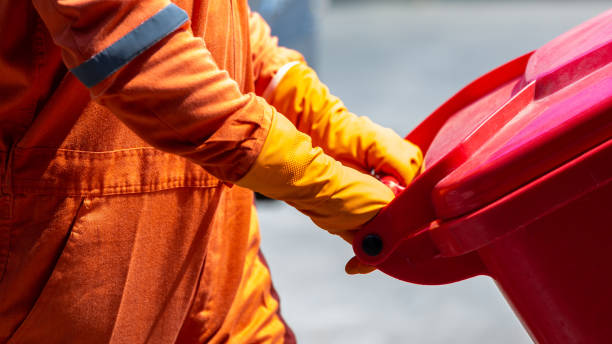
Poor sanitation remains a serious challenge in many Nigerian communities. From blocked drainage channels in Lagos to inadequate waste collection in rapidly growing residential areas, the condition of sanitation infrastructure in Nigeria affects public health, businesses, and everyday living.
As cities expand, waste generation increases, placing additional pressure on existing drainage systems, public toilets, sewage facilities, and waste disposal operations.
Improving sanitation requires more than building facilities. Communities also need reliable waste transportation, regular maintenance, proper disposal arrangements, and coordinated logistics to keep sanitation systems functioning.
What Is Causing Sanitation Problems Across Nigerian Cities?
In cities such as Lagos, Abuja, Port Harcourt, and Ibadan, population growth has increased demand for sanitation services.
Unfortunately, infrastructure development does not always keep pace with residential and commercial expansion.
Common problems include:
- Inadequate public toilets in busy markets and transport terminals.
- Blocked drainage channels caused by indiscriminate waste disposal.
- Irregular refuse collection in densely populated neighbourhoods.
- Poor sewage management in residential and commercial buildings.
- Limited access to organised waste transportation in underserved communities.
For example, drainage channels around busy commercial areas can become blocked when plastic packaging, food waste, and other materials accumulate.
During heavy rainfall, these blockages contribute to flooding, disrupt movement, and create additional sanitation problems.
How Waste Collection Affects Sanitation Infrastructure in Nigeria
Reliable waste collection is essential for maintaining clean environments.
Even communities with properly constructed drainage systems can experience sanitation problems when refuse is not collected regularly.
In areas such as Mushin, Agege, Ajegunle, and parts of mainland Lagos, narrow access roads and heavy traffic can complicate waste collection schedules.
Waste operators must consider vehicle accessibility, collection frequency, disposal locations, and traffic conditions.
For commercial facilities, poor collection planning can result in overflowing bins, unpleasant surroundings, and interruptions to daily operations.
Businesses should therefore establish predictable collection arrangements with authorised waste management providers.
Improving Sanitation Around Markets and Commercial Buildings
Markets, restaurants, shopping complexes, and office buildings generate different types of waste.
A busy Lagos market may require daily refuse evacuation, while an office complex might operate successfully with a scheduled collection arrangement based on its waste volume.
Facility managers should focus on practical improvements such as:
- Providing sufficient covered waste containers.
- Separating recyclable materials from general refuse.
- Scheduling collection before waste storage areas become overcrowded.
- Keeping drainage channels accessible for cleaning.
- Using approved disposal and evacuation services.
These measures help reduce environmental hazards and improve working conditions.
Where Transport and Logistics Support Become Important
Improving sanitation infrastructure in Nigeria also requires dependable transportation.
Waste management contractors need suitable vehicles to move collected materials to authorised treatment or disposal facilities.
Construction projects may require haulage support when removing debris during drainage rehabilitation or sanitation facility upgrades.
Travo.ng provides transport coordination and logistics support that can assist businesses and project managers with relevant movement requirements.
For example, contractors handling drainage construction in Lekki may need coordinated transportation for equipment, construction materials, and site supplies.
Reliable scheduling helps reduce unnecessary delays, particularly when deliveries must pass through congested Lagos routes.
Specialised waste handling and disposal should remain with appropriately licensed operators.
Building Cleaner Communities Through Better Planning
Long-term sanitation improvements depend on cooperation between government agencies, businesses, property managers, and residents.
Regular infrastructure maintenance, responsible waste disposal, reliable collection schedules, and effective transport planning all contribute to healthier environments.
Businesses undertaking sanitation-related projects can explore Travo.ng’s cargo logistics, vehicle hire, and transport coordination services for appropriate operational support.
With better planning and consistent maintenance, sanitation infrastructure in Nigeria can become more dependable, helping communities maintain cleaner surroundings while supporting safer commercial and residential environments.
Is this conversation helpful so far?
