


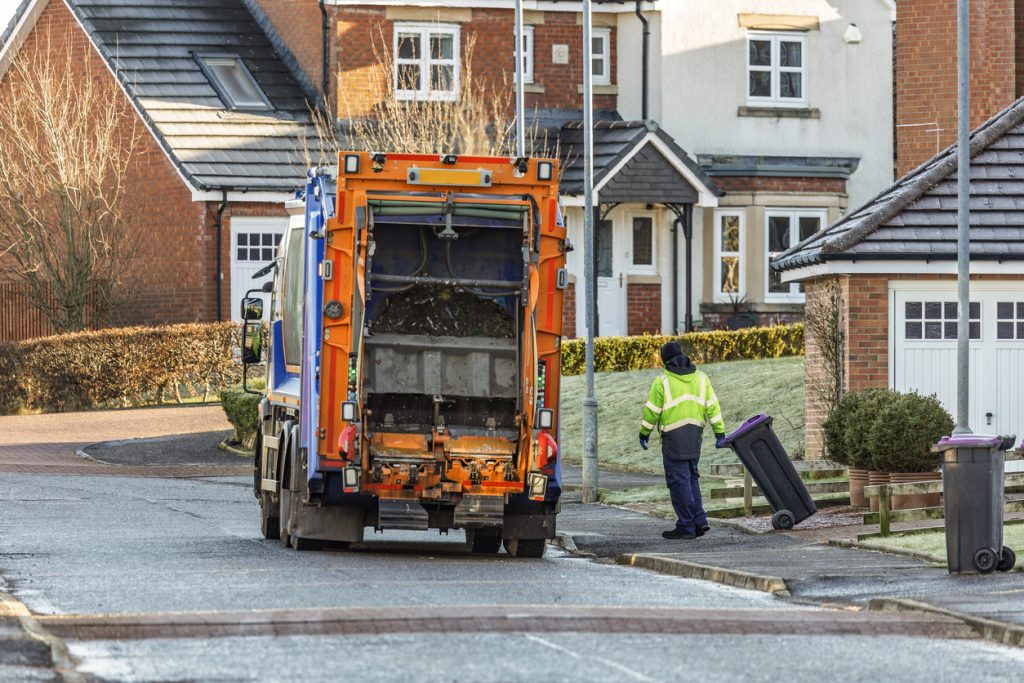
Maintaining proper estate sanitation in Nigeria requires more than organising occasional cleaning exercises. Residential estates need reliable waste collection, clean drainage systems, maintained surroundings, and effective coordination between residents and estate managers.
In busy cities like Lagos, Abuja, and Port Harcourt, poor sanitation can quickly become a serious problem. Overflowing waste bins, blocked gutters, and irregular refuse collection affect residents’ comfort and create unhealthy living conditions.
For estate managers and residents’ associations, having a structured sanitation arrangement makes daily maintenance easier. Travo.ng provides logistics and transport coordination services that can support estate waste movement, cleaning operations, and other essential maintenance activities.
Common Sanitation Problems in Nigerian Residential Estates
Many estates struggle with waste management because cleaning activities are poorly coordinated or residents do not follow established disposal schedules.
In areas like Lekki, Ajah, Ikorodu, and Gwarinpa, increasing residential development also means larger volumes of household waste.
Common challenges include:
- Irregular collection of household refuse.
- Blocked drainage channels during heavy rainfall.
- Indiscriminate dumping around estate entrances.
- Insufficient waste bins for growing households.
- Poor coordination between cleaners and waste collectors.
- Delayed evacuation of accumulated rubbish.
These problems become more noticeable during the rainy season when blocked gutters can worsen flooding.
Estate management committees should establish clear sanitation responsibilities rather than waiting until complaints begin.
How to Organise Estate Sanitation in Nigeria
Effective estate sanitation in Nigeria starts with a practical cleaning schedule that residents and service providers can follow.
For example, an estate containing 80 residential units may require more frequent refuse collection than a smaller compound with 15 households.
The appropriate schedule depends on waste volume, available storage facilities, and local collection arrangements.
Estate managers should consider the following:
- Set collection days: Establish predictable schedules for household waste evacuation.
- Provide designated disposal points: Prevent residents from dumping rubbish along internal roads.
- Maintain drainage channels: Remove debris before and during the rainy season.
- Assign cleaning responsibilities: Ensure shared spaces receive regular attention.
- Monitor service providers: Confirm that collected waste reaches approved disposal facilities.
Residents should also receive advance notice whenever sanitation activities might restrict vehicle movement.
Managing Waste Collection and Transport Within Estates
Waste evacuation requires proper planning, particularly in gated estates with narrow access roads.
Large collection trucks may struggle to enter certain residential streets, making smaller vehicles necessary for moving waste to approved collection points.
Estate managers should confirm vehicle access, collection times, waste volumes, and disposal arrangements before booking transport.
Travo.ng can support relevant transport coordination and logistics requirements, helping estate managers organise the movement of equipment and materials needed for maintenance operations.
However, actual waste handling and disposal should be carried out by appropriately authorised operators.
What Estate Managers Should Budget for Sanitation
Sanitation expenses depend on estate size, collection frequency, labour requirements, and the type of waste generated.
A practical monthly budget should account for cleaning staff, waste collection charges, protective equipment, drainage maintenance, and emergency cleaning.
Managers should request itemised quotations and confirm whether transportation, disposal fees, and additional collections are included.
This reduces unexpected charges and makes sanitation levies easier to explain to residents.
Keep Your Estate Clean With Better Logistics Planning
Successful estate sanitation depends on consistency, resident cooperation, and dependable service arrangements.
Instead of reacting to overflowing bins or blocked drains, estate managers should maintain regular cleaning schedules and reliable waste evacuation plans.
For transport coordination and related logistics support, Travo.ng offers practical services that can help residential communities organise maintenance activities more efficiently.
A cleaner estate begins with proper planning, responsible waste disposal, and services that residents can depend on.
Is this conversation helpful so far?
