


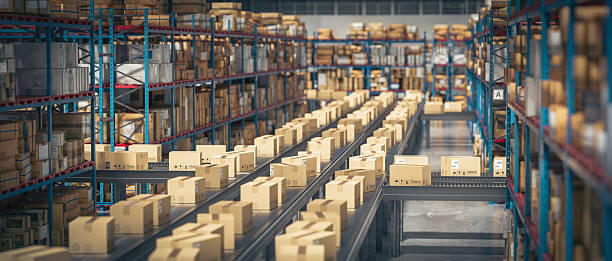
Choosing between a warehouse near Port Harcourt vs Lagos depends on what your business actually moves, where your customers are located, and how your supply chain operates across Nigeria.
Many companies assume Lagos is always the best option because of Apapa and Tin Can ports. But in reality, Port Harcourt has become increasingly important for:
- Oil and gas logistics
- South-South distribution
- Industrial cargo movement
- Reduced port congestion routes
- Regional supply chain operations
For some businesses, warehousing in Lagos improves nationwide reach. For others, Port Harcourt reduces operational stress and delivery costs significantly.
Travo.ng helps businesses coordinate warehousing, cargo movement, fleet dispatch, and interstate logistics in both Lagos and Port Harcourt depending on operational needs.
The Biggest Difference Between Lagos and Port Harcourt Warehousing
The main difference is logistics scale versus operational ease.
| Lagos Warehousing | Port Harcourt Warehousing |
|---|---|
| Larger logistics ecosystem | Smaller but less congested |
| Stronger nationwide distribution access | Stronger South-South access |
| Heavy port traffic | Easier truck movement in some zones |
| Higher warehouse demand | Lower competition for space |
| Better e-commerce infrastructure | Strong industrial logistics presence |
Lagos dominates volume, but Port Harcourt often offers smoother operations for specific industries.
Why Businesses Choose Warehouses in Lagos
Lagos remains Nigeria’s largest logistics hub.
Main advantages include:
- Access to Apapa and Tin Can ports
- Strong interstate distribution routes
- Large warehouse availability
- Better e-commerce fulfillment infrastructure
- Stronger FMCG distribution networks
- Airport cargo connectivity through Ikeja
Businesses serving customers nationwide often prefer Lagos because most transport networks already flow through the city.
Challenges of Warehousing in Lagos
Despite its advantages, Lagos operations come with serious logistics pressure.
Common issues include:
- Heavy Apapa traffic congestion
- Higher warehouse rental costs
- Longer truck turnaround times
- Higher labor and operational costs
- Delivery delays during peak traffic periods
For importers, delays around port corridors can affect inventory flow significantly.
Why Businesses Choose Warehouses Near Port Harcourt
Port Harcourt is strategically important for:
- Oil and gas supply chains
- Marine logistics
- Industrial cargo operations
- South-South regional distribution
Warehousing around Port Harcourt helps businesses serve:
- Rivers State
- Bayelsa
- Akwa Ibom
- Delta
- Cross River
without routing everything through Lagos first.
Key Advantages of Port Harcourt Warehousing
Less Congestion
Truck movement is often easier compared to Apapa and Lagos port corridors.
Lower Operating Pressure
Warehouse demand is lower than Lagos, making operations more manageable.
Better Regional Distribution
Faster access to South-South industrial and commercial markets.
Strong Oil & Gas Logistics Presence
Industrial supply chains around Port Harcourt create strong warehousing demand.
Example: logistics operators in Port Harcourt support marine, industrial, and energy-sector supply chains with warehousing and cargo distribution infrastructure designed around regional operations (intelsgroup.com)
Challenges of Warehousing Near Port Harcourt
Port Harcourt also has limitations.
Common concerns include:
- Smaller warehousing ecosystem compared to Lagos
- Fewer large-scale fulfillment facilities
- Less developed e-commerce infrastructure
- Limited nationwide distribution connectivity compared to Lagos
Businesses with nationwide customer bases may still need Lagos for central distribution.
Best Businesses for Lagos Warehousing
E-commerce Companies
Fast last-mile delivery and fulfillment support.
FMCG Distribution
Nationwide redistribution networks operate strongly from Lagos.
Importers
Direct access to major seaports and airport cargo.
Retail Supply Chains
Large-scale inventory movement across Nigeria.
Best Businesses for Port Harcourt Warehousing
Oil and Gas Companies
Strong industrial logistics infrastructure.
Marine Logistics Operators
Close access to ports and offshore support systems.
Regional Distributors
Better access to South-South customers.
Industrial Supply Companies
Lower congestion helps heavy cargo movement.
Cost Comparison: Lagos vs Port Harcourt Warehousing
Lagos
- Higher warehouse rental rates
- Higher labor costs
- Higher traffic-related transport expenses
- Premium pricing near Apapa and Lekki corridors
Port Harcourt
- Lower warehouse competition in some areas
- Lower traffic-related logistics pressure
- Potentially cheaper regional distribution costs
However, Lagos often provides better long-term distribution efficiency for nationwide operations.
Which Location Is Better for Nationwide Distribution?
Lagos Wins for:
- Nationwide delivery networks
- E-commerce fulfillment
- FMCG redistribution
- Large import operations
Port Harcourt Wins for:
- South-South operations
- Industrial logistics
- Marine supply chains
- Oil and gas support logistics
The better choice depends on your actual customer and cargo flow—not just warehouse availability.
Why Some Businesses Use Both Lagos and Port Harcourt
A growing number of companies now operate hybrid logistics systems:
- Lagos warehouse for national distribution
- Port Harcourt warehouse for regional industrial support
This reduces delivery pressure while improving inventory positioning across Nigeria.
How Travo.ng Supports Warehousing in Lagos and Port Harcourt
Travo.ng helps businesses by:
- Coordinating warehouse access in major Nigerian logistics hubs
- Supporting interstate cargo transport and distribution planning
- Managing fleet dispatch and cargo movement operations
- Assisting businesses with regional and nationwide logistics coordination
- Helping companies reduce delays and improve supply chain efficiency
The goal is simple: put inventory closer to where your business actually operates best.
