


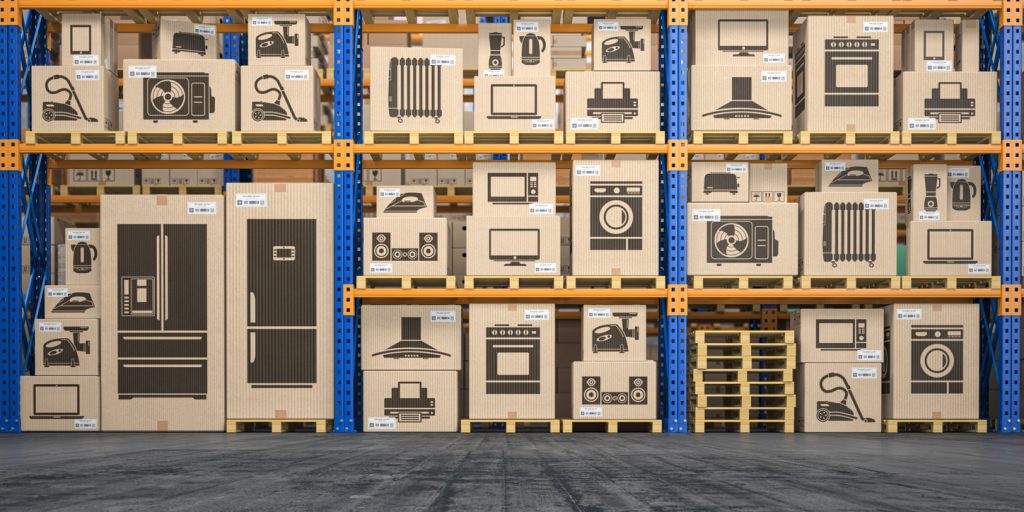
A flooded warehouse can turn into a major business loss within hours. Once water begins entering a storage facility, the immediate challenge is not only stopping the flood. Businesses also need to move stock, equipment, documents, and other valuable items before they are damaged beyond recovery.
Professional warehouse flood evacuation services help companies respond quickly by coordinating vehicles, loaders, temporary storage movement, cargo transport, and relocation logistics. In cities such as Lagos, Port Harcourt, and parts of Ogun State where heavy rainfall and poor drainage can affect industrial areas, having an evacuation plan can make a significant difference.
Travo.ng supports businesses that need urgent transport and logistics coordination when warehouse inventory has to be moved quickly and safely.
What Happens When Water Starts Entering a Warehouse
Flood evacuation works differently from a normal warehouse transfer.
During a planned relocation, goods may be packed, labelled, counted, and moved over several days. During a flood emergency, the priority is protecting the most valuable and vulnerable stock first.
A typical evacuation may involve:
- Moving cartons and packaged goods away from ground-level storage
- Loading inventory into vans or trucks
- Transporting goods to another warehouse or temporary storage location
- Moving office equipment and important documents
- Coordinating multiple vehicle trips where one truck cannot carry everything
- Relocating machinery or business equipment where practical
For example, a distributor operating from a warehouse around Lagos may need vehicles to move stock to another facility in Ikeja, Ogba, Oregun, or the Lagos-Ibadan corridor before rising water reaches more pallets.
Speed Matters More Than Perfect Packing During a Flood
One common mistake is spending too much time trying to organise every carton perfectly before evacuation starts.
When flooding is actively getting worse, goods should normally be prioritised according to value, sensitivity to water, and ease of movement.
Electronics, packaged food, pharmaceuticals where applicable, documents, textiles, machinery components, and other moisture-sensitive products usually require faster attention than items that can tolerate limited water exposure.
Businesses should also separate damaged goods from stock that can still be moved safely. Mixing soaked cartons with dry inventory can create additional handling problems at the destination.
Travo.ng can coordinate suitable transport for emergency cargo movement, helping businesses arrange vehicles based on the quantity and type of goods being evacuated.
Choosing Vehicles for Warehouse Flood Evacuation Services
The vehicle required depends on how much stock needs to be moved and how quickly.
A small warehouse may be able to evacuate essential inventory using delivery vans or smaller cargo vehicles. Larger distributors, wholesalers, manufacturers, and importers may require trucks and several loading cycles.
Before arranging transport, it helps to estimate:
- Number of pallets or cartons
- Approximate weight of the goods
- Whether forklifts or manual loaders are available
- Distance to the receiving location
- Road accessibility around the flooded warehouse
- Whether the destination can receive the cargo immediately
Access is especially important. During serious rainfall, some streets that normally accommodate trucks may become difficult to enter. In that situation, smaller vehicles may have to shuttle goods from the warehouse to a safer loading point.
Do Not Wait Until the Warehouse Is Completely Flooded
Evacuation becomes harder once water is already deep around the building.
Drivers may refuse unsafe access, loading becomes slower, cartons become heavier after absorbing water, and electricity around the premises can create additional hazards.
Businesses in flood-prone locations should identify an alternative storage or transfer point before the rainy season becomes severe.
A basic emergency plan should include the address of the backup location, contact details for warehouse supervisors, an inventory priority list, loading access information, and an emergency transport arrangement.
This is particularly useful for businesses operating around areas that experience drainage problems during heavy rainfall.
Moving Evacuated Goods to Temporary Storage
Getting inventory out of the flooded building is only half of the job.
The receiving location must have enough space and people available to unload the goods. Sending three trucks to a small temporary warehouse without confirming unloading capacity can create another logistics problem.
For larger evacuations, vehicle dispatch should be staggered so that loading and unloading continue without unnecessary queues.
Travo.ng can support the wider movement through cargo logistics, vehicle hire, transport coordination, delivery services, and business logistics support. Companies relocating operations completely can also arrange further relocation assistance instead of treating every movement as a separate transport request.
Arrange Emergency Warehouse Transport Before Losses Increase
Flood emergencies require fast decisions, clear communication, and practical transport coordination.
If water is approaching stored goods, businesses should first protect people, switch off utilities where this can be done safely, identify priority inventory, confirm a safe receiving location, and begin organising vehicles.
With properly coordinated warehouse flood evacuation services, companies can move valuable goods away from danger, reduce avoidable stock losses, and restart operations from a safer location.
Travo.ng helps Nigerian businesses arrange cargo movement, vehicle hire, relocation logistics, and emergency transport coordination when warehouse stock needs to be moved urgently.
