


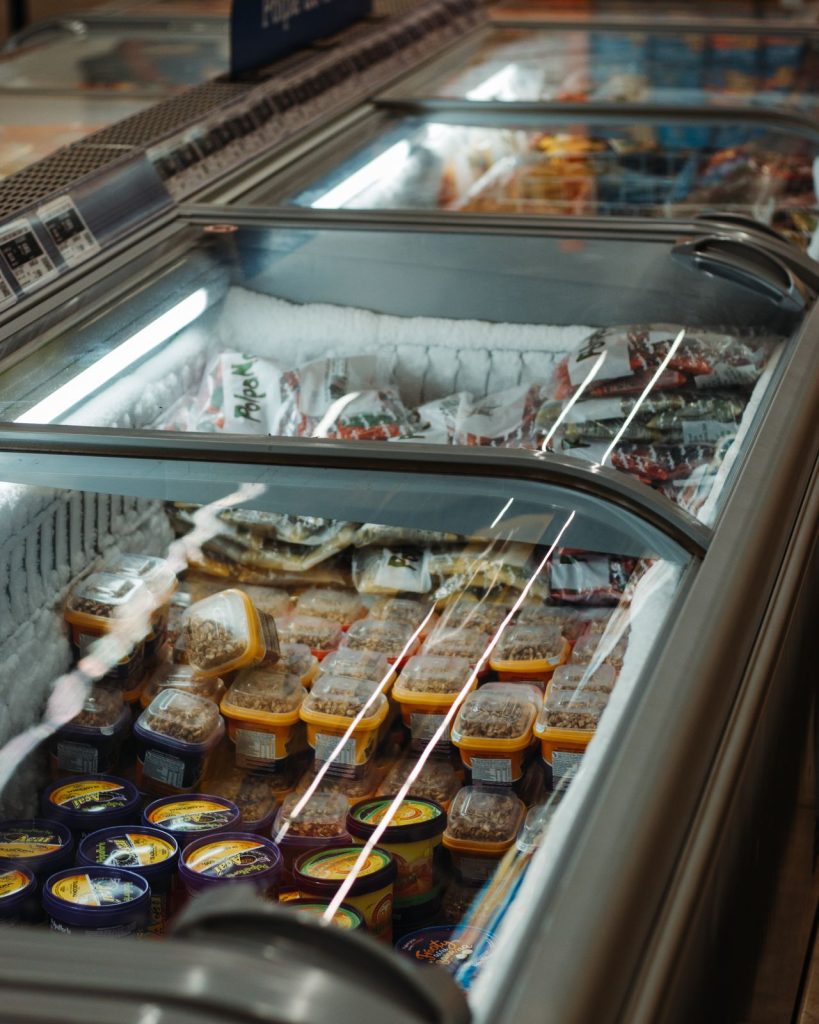
Anyone handling fresh food in Lagos knows that spoilage can happen surprisingly fast. Tomatoes bought at Mile 12 in the morning can lose quality before reaching a restaurant in Lekki if they spend hours inside a hot vehicle. Frozen meat can begin to thaw during a delayed delivery, while vegetables stored without proper ventilation may deteriorate before they are sold.
To reduce food spoilage in Lagos, businesses need to think beyond refrigeration alone. Storage, packaging, pickup timing, vehicle choice and delivery speed all affect how much food eventually reaches customers in good condition.
For supermarkets, restaurants, caterers, food vendors and distributors, better logistics can mean fewer damaged products and less money thrown away.
Heat and Lagos Traffic Are a Bad Combination for Fresh Food
Lagos weather already creates a difficult environment for perishables. Add traffic on routes such as Mile 12 to Victoria Island, Apapa to Lekki or Oshodi to Ajah, and a journey that should take one hour can easily stretch much longer.
This matters particularly for:
- Fresh vegetables and fruits
- Frozen chicken and seafood
- Dairy products
- Cakes and desserts
- Fresh meat
- Prepared meals
- Pharmaceutical or temperature-sensitive food ingredients
A common mistake is loading perishables into an ordinary delivery vehicle and assuming the journey will be short. When traffic builds around places such as Third Mainland Bridge, Ikorodu Road or the Lekki-Epe corridor, products can remain exposed to heat much longer than expected.
Reduce Food Spoilage in Lagos by Planning Pickups Around Delivery Time
Good food logistics starts before the vehicle leaves.
A restaurant ordering vegetables from a supplier, for example, should avoid having produce packed several hours before the driver is available. Fresh items should ideally move from storage to the delivery vehicle as close to dispatch time as practical.
Businesses should also plan routes carefully. A driver making five unrelated stops before delivering frozen products increases the risk of temperature changes.
Where possible, arrange:
- Early-morning collection for fresh produce.
- Direct delivery for highly perishable goods.
- Fewer intermediate stops.
- Appropriate insulated or refrigerated transport.
- Immediate receiving arrangements at the destination.
There is little benefit in delivering frozen food quickly if it then sits outside a restaurant for 30 minutes because nobody is available to receive it.
Cold Storage Helps When Same-Day Movement Is Not Possible
Not every shipment can be delivered immediately.
Food wholesalers may receive large quantities that need to remain in Lagos for several hours or overnight before distribution. In these situations, suitable cold storage can protect products until vehicles are ready.
Temperature requirements also differ. Frozen seafood should not be handled the same way as tomatoes, leafy vegetables or beverages. Some products need freezing, while others simply require a cool, ventilated environment.
Businesses looking to reduce food spoilage in Lagos should therefore match storage conditions to the particular product rather than treating every type of food the same way.
Travo.ng can support businesses that need coordinated storage, cargo movement and delivery arrangements, helping reduce unnecessary delays between collection and final delivery.
Packaging Can Protect Food Before Refrigeration Becomes an Issue
Poor packaging causes a surprising amount of food loss.
Tomatoes packed too tightly can become crushed during transport. Fish transported in poorly sealed containers can leak as ice melts. Cakes can shift during sudden braking, while vegetables packed without ventilation may deteriorate quickly.
Depending on the product, practical packaging may include insulated boxes, food-grade containers, ice packs, ventilated crates or secure cartons.
The vehicle must also be loaded properly. Heavy cartons should never be stacked on delicate produce simply because there is available space.
Faster Delivery Can Protect Both Stock and Profit
For a caterer supplying an event in Victoria Island or a grocery business delivering orders around Ikeja, Surulere and Lekki, late deliveries can quickly become expensive.
Spoilage means losing the cost of the food, packaging, transport and sometimes the customer as well.
Travo.ng provides delivery and logistics coordination for businesses that need dependable movement of goods across Lagos and other Nigerian locations. Depending on the shipment, this may involve courier delivery, cargo transport, vehicle hire or coordinated logistics support.
Reducing food waste is ultimately about controlling the time between storage, pickup and delivery. With better packaging, suitable storage and properly planned transport, businesses can keep more products fresh, protect their margins and deliver food to customers in the condition they expect.
