


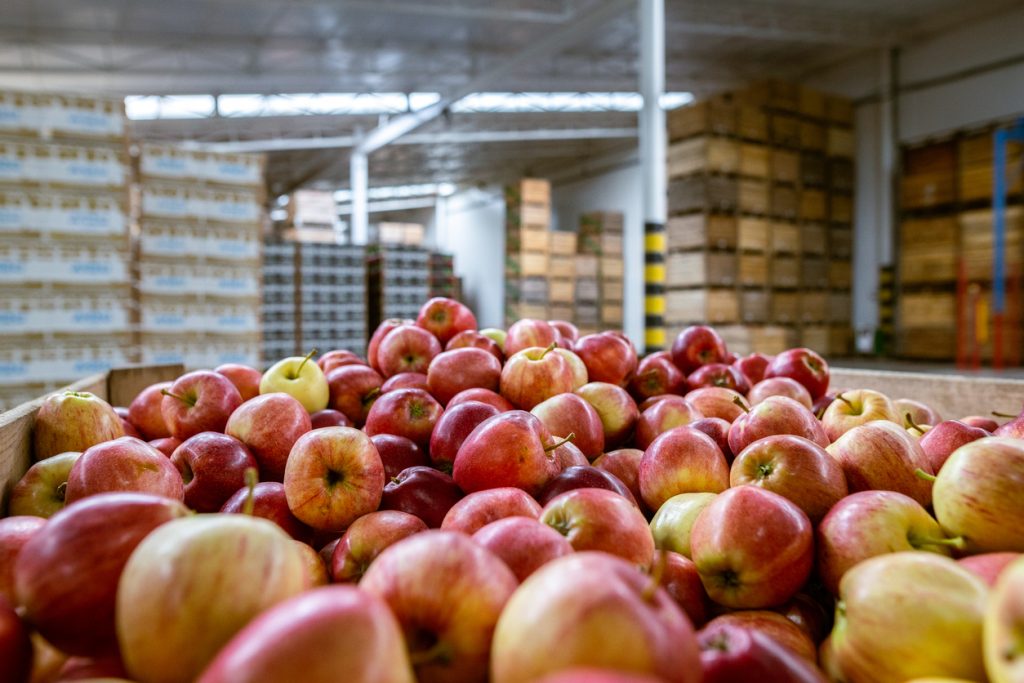
Importing food into Lagos does not end when the container leaves the port. For many businesses, the bigger challenge starts after customs clearance: where will the goods be stored, how quickly can they be moved, and what conditions will keep them safe until distribution?
Reliable Import food storage Lagos services help importers manage this stage properly. Whether you bring in packaged foods, beverages, frozen products, ingredients, canned goods, or supermarket stock, the right storage arrangement can reduce spoilage, unnecessary transport costs, and delays in getting products to customers.
Travo.ng supports businesses with storage coordination, cargo movement, delivery planning, and related logistics services across Lagos and other parts of Nigeria.
What Happens After Imported Food Leaves Lagos Port?
Food shipments arriving through Apapa or Tin Can Island usually need somewhere secure to go immediately after clearance.
Moving the goods straight to individual shops or customers may sound efficient, but it is rarely practical for larger shipments. A distributor importing several pallets of food products may have deliveries going to Ikeja, Lekki, Surulere, Victoria Island, and even cities outside Lagos.
A better arrangement is often to move the shipment to a suitable warehouse first, confirm quantities, organise inventory, and dispatch orders gradually.
This gives the importer more control over stock and reduces the pressure to arrange dozens of deliveries immediately after port clearance.
Choose Storage Based on the Type of Food
Not every imported food product requires the same storage conditions.
Dry packaged products such as cereals, noodles, biscuits, canned foods, and beverages usually require a clean, dry warehouse protected from moisture, pests, and excessive heat.
Frozen meat, seafood, dairy products, and certain processed foods may require cold storage or temperature-controlled handling.
Before booking storage, confirm:
- Whether the goods require ambient, chilled, or frozen conditions
- The number of cartons, pallets, or tonnes arriving
- Expected storage duration
- How often products will leave the warehouse
- Whether deliveries will be within Lagos or interstate
Providing these details early makes it easier to arrange the right space and transport.
Lagos Traffic Can Affect Food Distribution
Storage location matters almost as much as warehouse quality.
A warehouse that is inexpensive but far from your main customers can increase delivery costs significantly. For example, a business supplying restaurants around Lekki, Victoria Island, and Ikoyi may face higher daily transport costs if stock is stored far outside its regular distribution area.
Traffic around Apapa, Oshodi, Mile 2, and major Lagos commercial corridors can also affect collection and delivery times.
Businesses should therefore consider both storage charges and the cost of moving products from the warehouse to customers.
Travo.ng can coordinate cargo transport and scheduled deliveries so importers do not have to arrange a separate vehicle every time stock needs to move.
How Long Should Imported Food Stay in Storage?
The best approach is usually to avoid keeping stock longer than necessary.
High-demand products may move out within days, while wholesalers sometimes keep inventory for several weeks. Storage costs can accumulate quickly when goods remain idle.
For products with expiry dates, proper stock rotation is especially important. Businesses should know which batches arrived first and ensure older stock is dispatched before newer shipments where appropriate.
Keeping accurate inventory records also helps prevent situations where products remain forgotten at the back of a warehouse.
Avoid These Common Storage Mistakes
Importers often run into problems when storage arrangements are made too late.
One common mistake is waiting until cargo has already cleared before looking for warehouse space. This can lead to rushed decisions and unnecessary truck waiting time.
Another is choosing the cheapest available facility without checking whether it suits food products.
Businesses should also avoid sending trucks without confirming unloading arrangements. A shipment may arrive with hundreds of cartons or pallets, and inadequate labour or equipment can create avoidable delays.
Planning storage, unloading, and onward distribution together makes the entire operation smoother.
Coordinate Import Food Storage Lagos With Travo.ng
For businesses managing imported food in Lagos, storage should be treated as part of the wider supply chain rather than a separate task.
Travo.ng can help coordinate suitable Import food storage Lagos arrangements alongside cargo transport, warehouse movement, scheduled deliveries, and business logistics support.
Whether stock needs to move from the port to storage, from a warehouse to multiple Lagos locations, or onward to customers in Abuja, Port Harcourt, Ibadan, or other Nigerian cities, having one coordinated logistics plan reduces unnecessary handling and delays.
With proper storage and organised distribution, imported food can move from arrival to customers more efficiently while businesses maintain better control over inventory and delivery schedules.
