


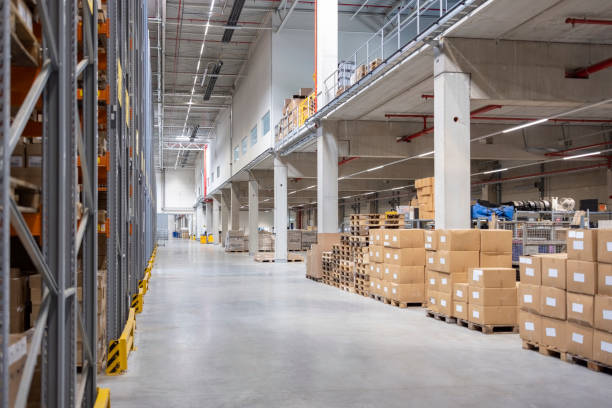
High demand food storage Lagos has become an important operational need for restaurants, supermarkets, caterers, food distributors, importers, and online food businesses trying to keep products available without increasing spoilage.
Lagos moves a huge volume of food every day. Fresh vegetables arrive from northern states, frozen products move through ports and distribution centres, and restaurants across Lekki, Victoria Island, Ikeja, Yaba, and Surulere need regular replenishment.
The challenge is not simply finding somewhere to keep food. Businesses need storage that fits their product type, delivery schedule, stock volume, and distribution plan.
Travo.ng can support businesses with coordinated food logistics, transport arrangements, delivery scheduling, and related movement between suppliers, storage locations, and customers.
Why Food Storage Demand Is Increasing Across Lagos
Food businesses are carrying more stock because customer demand can change quickly.
A restaurant preparing for a busy weekend may need several days of meat, vegetables, drinks, and dry ingredients. An online grocery company may need enough inventory to process hundreds of orders without waiting for suppliers every morning.
Seasonal periods create even more pressure. Demand usually increases around Christmas, Easter, Ramadan, major events, weddings, and festive weekends.
Businesses that cannot hold sufficient stock may lose sales when suppliers run out or deliveries are delayed.
Reliable storage therefore becomes part of the wider supply chain rather than simply an extra warehouse expense.
Different Foods Need Different Storage Conditions
One mistake businesses make is treating all food inventory the same.
Dry products such as rice, flour, beverages, canned goods, packaged snacks, and cooking ingredients can often use standard warehousing, provided the location remains clean, dry, secure, and properly ventilated.
Fresh and frozen products require closer temperature control.
This may include:
- Frozen meat and poultry
- Seafood
- Dairy products
- Fresh vegetables
- Fruits
- Processed frozen foods
- Ingredients used by restaurants and hotels
Temperature-sensitive products also need careful transport between the supplier and storage facility. Leaving frozen goods inside a vehicle for several hours during Lagos traffic can damage products even when the warehouse itself is properly managed.
Lagos Traffic Must Be Included in Your Storage Plan
Storage location affects delivery speed.
A business serving customers mainly around Lekki, Ajah, and Victoria Island may struggle if its entire inventory is stored far outside its main delivery area.
Similarly, restaurants in Ikeja and Maryland need to consider how quickly suppliers or delivery vehicles can reach them during morning and evening traffic.
Businesses should evaluate warehouse location together with their daily delivery routes.
For example, a restaurant requiring fresh ingredients by 9 a.m. should not plan stock replenishment around a journey that regularly takes three hours during weekday traffic.
Travo.ng can help coordinate transport and scheduled deliveries so stock movement is planned around realistic Lagos travel conditions.
How Much Food Stock Should a Business Keep?
There is no single correct amount.
A restaurant may hold three to seven days of fast-moving ingredients while keeping larger quantities of dry goods. A supermarket or distributor may need several weeks of stock depending on supplier lead times.
Useful factors to consider include:
- Average daily sales
- Supplier delivery frequency
- Shelf life
- Storage cost
- Seasonal demand
- Emergency stock requirements
Holding too little stock creates shortages. Holding too much perishable food increases the risk of waste.
Businesses should monitor which products move quickly and adjust storage quantities accordingly.
Moving Food Between Suppliers, Storage and Customers
Storage works properly only when transport is organised.
A typical Lagos food supply chain may involve collecting products from Mile 12, Apapa, Oyingbo, wholesalers, import warehouses, or local manufacturers before delivering them to a storage facility.
From there, smaller quantities may be dispatched daily to restaurants, stores, hotels, offices, or individual customers.
Travo.ng can support these movements through delivery coordination, cargo logistics, vehicle arrangements, and business logistics support.
This allows businesses to plan storage and transportation as one operation rather than managing separate providers without coordination.
Finding Practical High Demand Food Storage Lagos Support
Businesses looking for high demand food storage Lagos solutions should focus on more than available space.
Consider product requirements, hygiene, temperature conditions, security, accessibility, inventory turnover, and how quickly goods can be dispatched when needed.
A good storage arrangement should make your operation easier, not create another logistics problem.
For businesses that also need products collected, transported, distributed, or delivered across Lagos, Travo.ng can coordinate the logistics around the storage process. This helps restaurants, retailers, suppliers, and food distributors maintain reliable stock levels while responding quickly to customer demand.
