


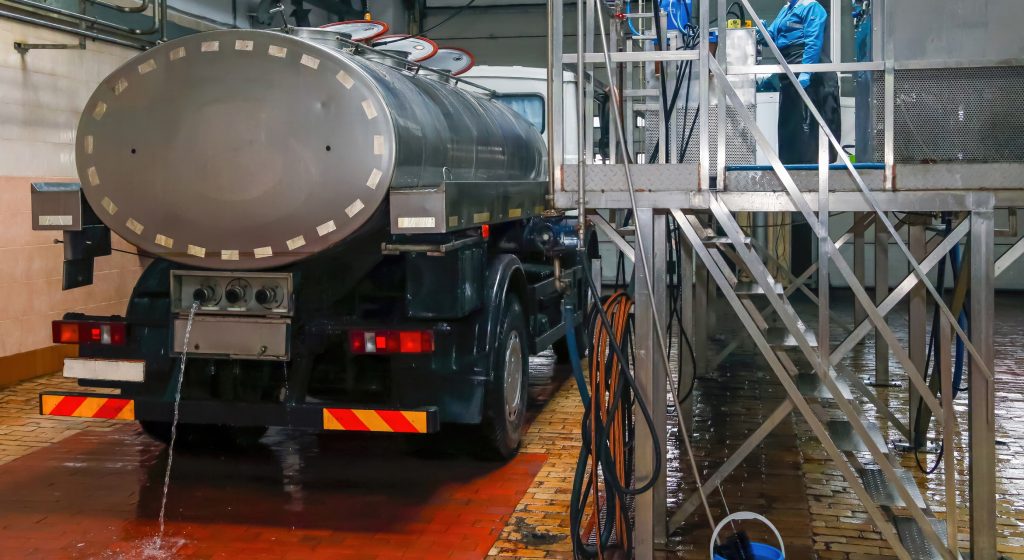
Getting a reliable water supply for community in Nigeria remains a serious challenge for many residential estates, rural settlements, schools, and developing neighbourhoods. In places where public water infrastructure is unavailable or unreliable, residents often depend on boreholes, private water vendors, or tanker deliveries to meet their daily needs.
The problem becomes more difficult when a community grows faster than its water infrastructure. A borehole serving 20 households may struggle when the population increases to 100 households, especially during the dry season.
For estate managers, community leaders, and property developers, arranging a dependable water supply requires proper planning, suitable storage facilities, and reliable delivery coordination.
Travo.ng supports water delivery logistics and transport coordination, helping communities organise water transportation and supply arrangements based on their location and requirements.
How Communities in Nigeria Manage Daily Water Shortages
Water shortages affect communities differently depending on their location, population, and existing infrastructure.
In Lagos, areas such as Ibeju-Lekki, Ikorodu, Ajah, and parts of Badagry may have residential developments where households rely heavily on private boreholes and water vendors.
In Abuja, rapidly developing communities around Lugbe, Kubwa, and the outskirts of Gwarinpa may also need supplementary water supplies when existing facilities cannot meet demand.
Common challenges include:
- Boreholes producing insufficient water during peak demand.
- Electricity shortages affecting pumping equipment.
- Rising costs of diesel-powered water systems.
- Poor access roads delaying water tanker deliveries.
- Inadequate storage facilities during supply interruptions.
- Unreliable water quality from informal suppliers.
A community that understands these challenges can make better decisions about water storage, delivery schedules, and long-term supply arrangements.
Choosing the Right Water Supply for Community in Nigeria
Not every community needs the same water supply arrangement.
A small residential compound may manage with a shared borehole and overhead storage tanks. However, a larger estate with hundreds of residents may require several water sources and scheduled bulk deliveries.
Before choosing a solution, community managers should consider three important factors.
Daily water consumption: Estimate how much water residents need for cooking, washing, cleaning, sanitation, and other household activities.
Available storage capacity: Determine whether existing tanks can hold enough water to cover temporary supply interruptions.
Access for delivery vehicles: Confirm whether water tankers can safely reach the community, especially during the rainy season.
For example, a community of 50 households using an estimated 500 litres per household daily would require approximately 25,000 litres of water every day.
This estimate helps managers determine whether borehole production is sufficient or supplementary deliveries are necessary.
How Bulk Water Delivery Works for Residential Estates
Bulk water delivery is a practical option for communities experiencing temporary shortages or insufficient borehole capacity.
Water is transported using suitable tanker vehicles and transferred into designated storage facilities.
Before scheduling delivery, the community should confirm:
- The quantity of water required.
- Whether the water is intended for drinking or general domestic use.
- The location and accessibility of storage tanks.
- The delivery frequency required.
- The supplier’s water quality documentation and transport hygiene standards.
For drinking water, communities should request appropriate testing and treatment information. Water that looks clean is not automatically safe for consumption.
Travo.ng can assist with transport coordination and logistics planning for bulk water movements, helping community managers organise deliveries more efficiently.
What Does Community Water Delivery Cost in Nigeria?
The cost of supplying water to a community depends on several operational factors rather than one fixed nationwide price.
The biggest considerations are delivery distance, tanker capacity, water source, fuel expenses, and road conditions.
For instance, transporting water within an accessible part of Ikeja may involve different costs from delivering to a developing estate along the Lekki-Epe corridor.
Communities should request quotations that clearly separate water purchase costs from transportation, pumping, and offloading charges.
Regular scheduled deliveries may also make budgeting easier than arranging emergency supplies whenever storage tanks become empty.
Planning Water Supply During the Dry Season
Water demand often becomes more difficult to manage during the dry season, particularly where groundwater levels fluctuate or boreholes have limited output.
Community managers should monitor tank levels and arrange deliveries before supplies become critically low.
Maintaining reserve storage can reduce disruption when a tanker is delayed by traffic, mechanical problems, or poor road conditions.
In Lagos, scheduling deliveries outside major traffic periods may improve access and reduce unnecessary waiting time.
For larger estates, assigning one person to manage supplier communication, delivery records, and storage monitoring can prevent confusion.
Arrange Community Water Delivery Support With Travo.ng
Reliable community water supply requires more than finding a tanker when residents run out of water. It involves understanding demand, arranging suitable transport, maintaining safe storage, and coordinating deliveries consistently.
Travo.ng provides logistics and transport coordination services that can support communities, residential estates, schools, and property managers organising water supply movements.
Whether your community requires occasional bulk water transportation or recurring delivery arrangements, proper planning helps reduce shortages and unnecessary expenses.
Contact Travo.ng to discuss your community’s water transportation requirements and arrange suitable logistics support in Nigeria.
