


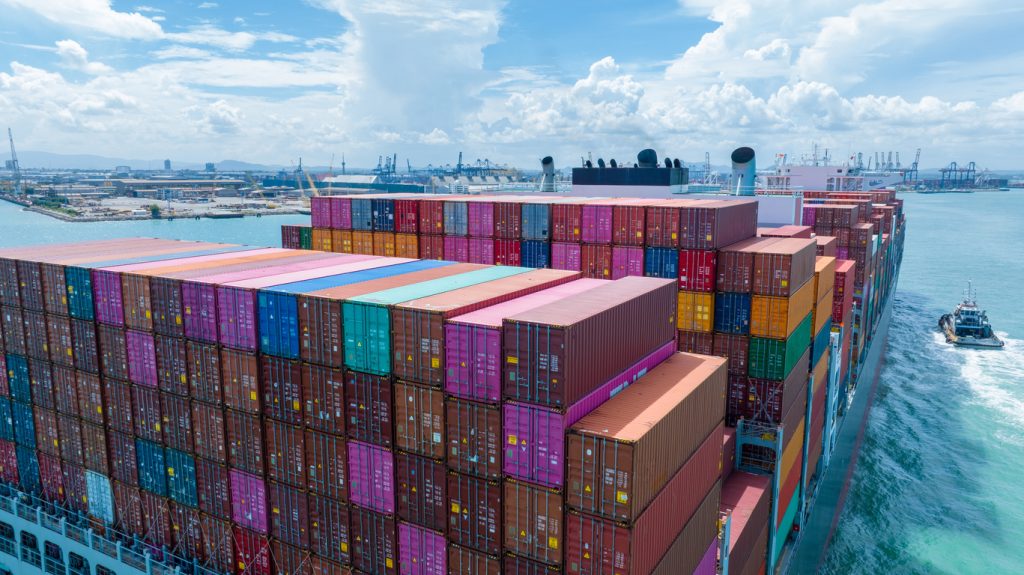
Port abandonment fees in Nigeria refer to the total charges applied to cargo or containers that remain uncleared at seaports such as Apapa Port, Tin Can Island Port, and Lekki Deep Sea Port beyond the allowed storage period. These fees are enforced by terminal operators and monitored by the Nigeria Customs Service (NCS).
In simple terms, port abandonment fees are the growing costs you pay when your cargo stays at the port without being cleared or removed.
What Are Port Abandonment Fees?
Port abandonment fees are not a single charge. They are a combination of multiple costs that continue to increase over time when cargo is left uncleared, including:
- Demurrage charges
- Storage fees
- Terminal handling charges
- Customs penalties (in some cases)
- Administrative and documentation charges
These fees accumulate daily or weekly depending on the port terminal.
Why Port Abandonment Fees Are Applied
1. Failure to Clear Cargo on Time
- Importer does not complete customs clearance
- Delays in documentation or approvals
2. Expired Free Storage Period
- Ports provide limited free days
- Charges begin once free time expires
3. Customs or Regulatory Delays
- Awaiting SON or NAFDAC approvals
- Inspection or valuation issues
4. Financial Constraints
- Importer cannot afford clearance costs
- Cargo left due to cash flow problems
5. Documentation Issues
- Missing or incorrect shipping documents
- Discrepancies in declarations
Breakdown of Port Abandonment Fees in Nigeria
1. Demurrage Charges
- Charged for container staying beyond free time
- Increases daily based on container size and duration
2. Storage Fees
- Charged for keeping cargo in port warehouses or yards
- Applies to both containers and loose cargo
3. Terminal Handling Charges (THC)
- Covers movement and handling within the port
- Includes loading, unloading, and stacking
4. Customs-Related Charges
- Penalties for delays or violations
- Reassessment of duties in some cases
5. Documentation and Processing Fees
- Costs for correcting or reprocessing documents
- Administrative charges from agents or terminals
How Port Abandonment Fees Increase Over Time
Stage 1: Arrival at Port
- Cargo is discharged and stored
- Free days may apply
Stage 2: Expiry of Free Days
- Demurrage and storage charges begin
Stage 3: Extended Delay
- Daily accumulation of charges
- Risk of customs attention increases
Stage 4: Long-Term Storage
- Cargo may be flagged as abandoned
- Higher penalties and administrative costs
Stage 5: Enforcement Action
- Cargo may be auctioned or disposed of
- Fees may still be deducted from proceeds
Risks of High Port Abandonment Fees
1. Financial Loss
- Charges can exceed the value of goods
- Leads to business losses
2. Cargo Abandonment
- Importers may be forced to abandon goods
3. Legal and Customs Issues
- Enforcement actions by authorities
- Possible penalties
4. Supply Chain Disruption
- Delays in product availability
- Inventory shortages
Can Port Abandonment Fees Be Reduced?
Yes, in some cases:
1. Early Cargo Clearance
- Faster action reduces accumulated fees
2. Negotiation With Terminal Operators
- Some storage charges may be reviewed
3. Customs Intervention
- Resolving documentation issues can reduce penalties
4. Professional Assistance
- Clearing agents can help minimize avoidable costs
How to Avoid Port Abandonment Fees
1. Clear Cargo Quickly
Avoid delays after cargo arrival.
2. Ensure Proper Documentation
Prevent customs delays caused by errors.
3. Track Shipment Timelines
Monitor arrival and clearance deadlines closely.
4. Use Licensed Clearing Agents
Professionals help speed up clearance and reduce risks.
5. Prepare Funds Before Import
Ensure you can cover duties and port charges.
Role of Logistics in Preventing Abandonment Fees
Efficient logistics helps prevent unnecessary costs by ensuring timely clearance and movement of cargo from ports.
Travo.ng supports businesses through:
- Cargo pickup from Apapa, Tin Can, and Lekki ports
- Nationwide transportation services
- Interstate logistics coordination
- Commercial cargo delivery
- Distribution support for businesses
- Last-mile delivery solutions
Proper logistics planning reduces delays and helps avoid costly port fees.
Final Insight
Port abandonment fees in Nigeria can grow quickly due to demurrage, storage, and customs-related charges. If not managed properly, they can lead to cargo abandonment or auction. Importers who act quickly, maintain proper documentation, and use experienced logistics support can significantly reduce or avoid these escalating costs.
