


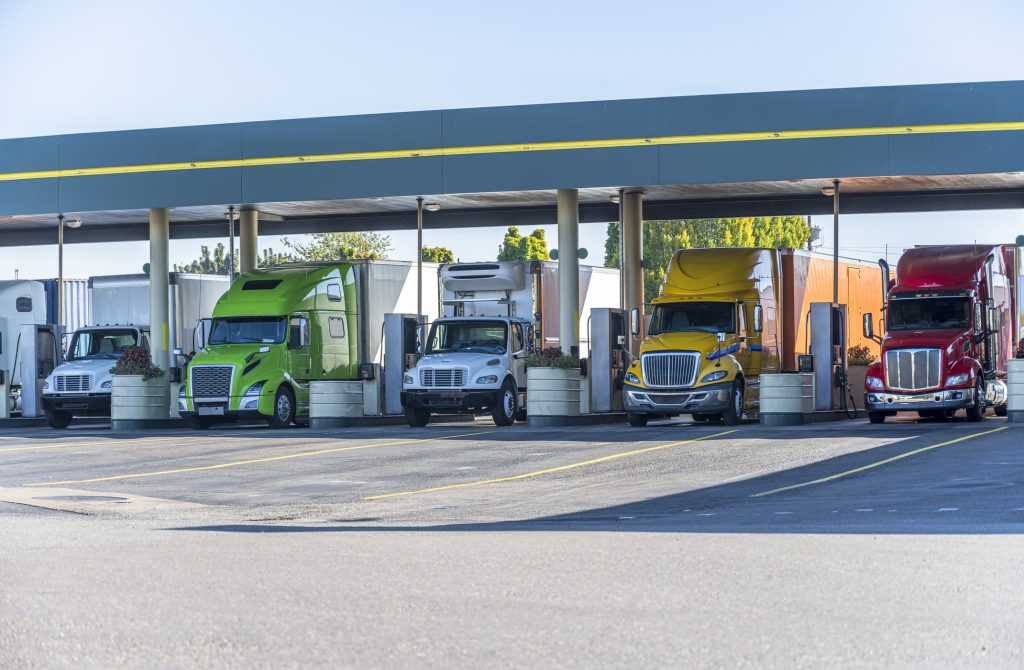
Fuel is one of the biggest operating expenses for companies running multiple vehicles in Nigeria. Between changing pump prices, long traffic delays, unauthorized refuelling, poor record keeping, and excessive idling, it can be difficult to know exactly where the money is going.
A fleet fuel management system in Nigeria gives businesses a more structured way to monitor consumption, compare vehicle performance, and identify unnecessary fuel expenses. For companies moving goods around Lagos, operating interstate trucks, managing staff vehicles, or coordinating regular deliveries, better fuel visibility can translate directly into lower operating costs.
Travo.ng supports businesses with practical fleet and transport coordination solutions designed around the realities of Nigerian operations.
Where Fleet Operators Usually Lose Money on Fuel
Fuel losses are not always caused by theft. Sometimes the problem is simply weak monitoring.
A delivery van travelling between Ikeja and Lekki may spend hours in traffic with the engine running. A truck moving cargo from Lagos to Abuja may consume more fuel because of poor maintenance, heavy loads, tyre pressure problems, or inefficient driving.
Businesses can also lose money through:
- Unrecorded fuel purchases
- Drivers buying fuel outside approved stations
- Incorrect mileage reporting
- Excessive vehicle idling
- Fuel siphoning
- Poor route planning
- Vehicles consuming more fuel than expected
When these issues happen across ten, twenty, or fifty vehicles, the monthly difference can become significant.
What a Fleet Fuel Management System Actually Tracks
A reliable fuel management setup should provide more than a list of fuel receipts.
Businesses need to compare fuel purchased with actual vehicle activity. Depending on the fleet setup, this can include mileage, litres purchased, cost per litre, kilometres travelled, driver records, routes, and fuel consumption per vehicle.
For example, if two similar vans regularly handle deliveries between Victoria Island and Ikeja but one consistently uses substantially more fuel, that vehicle should be inspected.
The problem could be mechanical, operational, or driver-related. Without proper records, it may go unnoticed for months.
Managing Fuel During Lagos Traffic
Lagos requires a different approach to fuel planning because distance alone does not tell the full story.
A 25-kilometre journey during free-flowing traffic may consume considerably less fuel than the same trip during peak periods around Third Mainland Bridge, Lekki-Epe Expressway, Oshodi, or Apapa.
Companies therefore need to evaluate fuel consumption alongside journey duration and route conditions.
Where possible, delivery schedules can be adjusted to avoid unnecessary peak-hour movement. Combining nearby deliveries into the same vehicle trip can also reduce repeated journeys and fuel consumption.
Travo.ng can support businesses with transport coordination, delivery services, cargo movement, vehicle hire, and other logistics arrangements that make fleet operations easier to manage.
Fuel Monitoring Is Especially Important for Interstate Fleets
Interstate transport introduces additional challenges.
A truck travelling Lagos–Abuja, Lagos–Benin, or Port Harcourt–Abuja may refuel several times depending on the vehicle, cargo weight, and journey conditions.
Without proper controls, managers may struggle to verify whether reported fuel expenses match actual consumption.
A structured fleet fuel management system in Nigeria allows operators to establish expected fuel ranges for common routes. Unusual differences can then be investigated instead of simply accepted as part of transport costs.
Small Fleet Operators Can Use Fuel Controls Too
Fuel management is not only for large haulage companies.
A business operating five delivery vans can begin with simple controls such as recording:
- Vehicle registration number
- Driver name
- Opening mileage
- Fuel quantity purchased
- Fuel cost
- Closing mileage
- Route completed
Once these records are consistently maintained, businesses can calculate average fuel consumption and quickly identify vehicles that are becoming expensive to operate.
Build a More Efficient Fleet With Travo.ng
Managing fuel properly gives businesses better control over transport costs and vehicle performance.
Travo.ng helps companies coordinate fleet operations, business deliveries, cargo logistics, vehicle hire, and transport requirements across Nigeria. Instead of treating fuel expenses as unavoidable costs, businesses can combine better monitoring with smarter routing and vehicle management.
For companies looking for a practical fleet fuel management system in Nigeria, the goal should be simple: know how much fuel each vehicle uses, understand why it is being used, and identify where operational costs can be reduced.
