


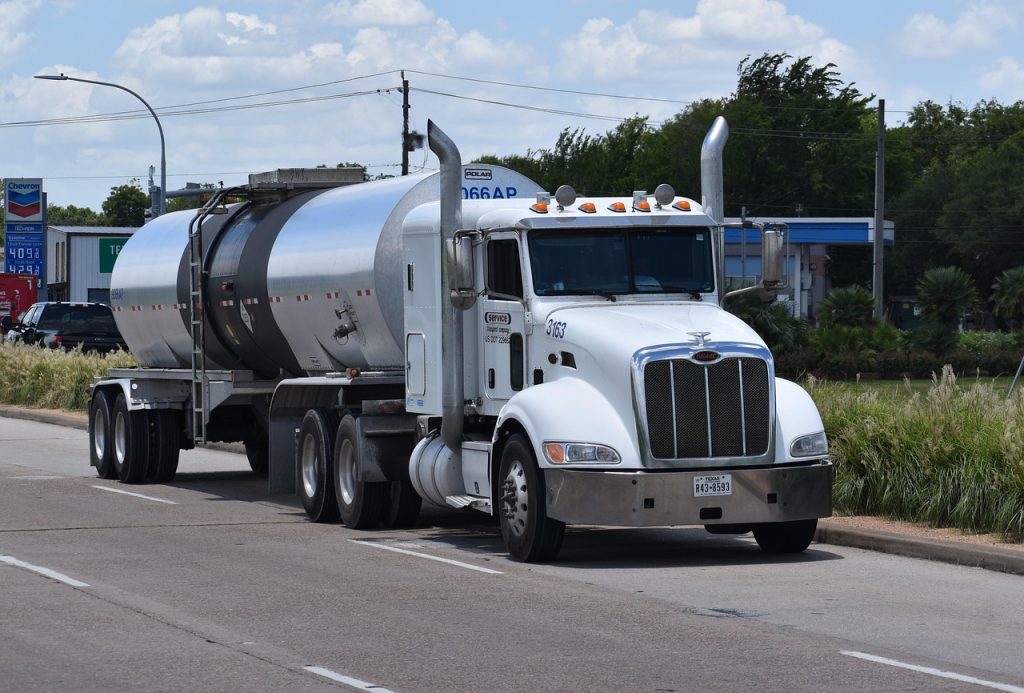
Tanker trucks are among the most sensitive and high-risk assets in logistics. Unlike general cargo trucks, they transport liquids such as fuel, chemicals, water, gas, and industrial fluids—materials that require strict safety standards, careful handling, and precise operational control.
Tanker truck asset management is the structured system used to acquire, operate, maintain, and optimize tanker fleets so they remain safe, compliant, and consistently profitable.
For logistics operators in Nigeria—especially in petroleum distribution, industrial supply chains, and interstate fuel transport—tanker asset management is essential for preventing losses, ensuring safety, and maintaining regulatory compliance.
What tanker truck asset management actually means
Tanker truck asset management is the full lifecycle control of tanker vehicles used for liquid transportation.
It includes:
- Acquisition and deployment of tanker units
- Driver training and safety compliance management
- Fuel, chemical, or liquid cargo coordination
- Route planning for hazardous or sensitive cargo
- Preventive maintenance and safety inspections
- Real-time tracking and monitoring
- Regulatory compliance and documentation control
In simple terms, it ensures tanker trucks move liquid cargo safely, efficiently, and legally.
Why tanker asset management is critical
Tanker operations carry higher risks than most logistics sectors.
Without structured management, operators face:
- Spillage or leakage of hazardous materials
- Fire or explosion risks (especially fuel transport)
- Regulatory penalties and compliance issues
- High insurance and liability exposure
- Driver safety risks
- Cargo contamination or loss
Because of these risks, strong asset management is not optional—it is mandatory.
Core components of tanker truck asset management
1. Tanker acquisition and specification control
Not all trucks are suitable for liquid transport.
Management ensures:
- Proper tanker design selection (fuel, chemical, water, gas)
- Compliance with safety and industry standards
- Corrosion-resistant tank materials
- Appropriate capacity selection based on demand
- Inspection of seals, valves, and pressure systems
Wrong equipment increases risk significantly.
2. Driver training and safety certification
Tanker drivers require specialized training.
Management includes:
- Hazardous material handling training
- Safety and emergency response education
- Defensive driving techniques for heavy liquid loads
- Compliance with transport safety regulations
- Fatigue management for long-distance trips
Driver competence directly impacts safety outcomes.
3. Cargo handling and loading coordination
Liquid cargo requires strict loading procedures.
This involves:
- Safe loading and unloading protocols
- Volume measurement accuracy checks
- Contamination prevention procedures
- Coordination with depots and terminals
- Monitoring of pressure and flow systems
Mistakes during loading can cause serious incidents.
4. Route planning and risk management
Tanker routes must be carefully selected.
Management focuses on:
- Avoiding high-risk or congested roads
- Selecting safer interstate corridors
- Planning fuel and rest stops
- Minimising exposure to accident-prone areas
- Coordinating timing with delivery terminals
In Nigeria, routes near industrial and refinery zones require special attention.
5. Preventive maintenance and tank integrity checks
Tankers require strict maintenance standards.
This includes:
- Regular tank integrity inspections
- Valve and pump system checks
- Brake and suspension maintenance
- Tire durability monitoring for heavy loads
- Leak detection and pressure testing
Preventive care reduces catastrophic failures.
6. Fuel and liquid loss control systems
Loss prevention is a major focus.
Management includes:
- Monitoring volume discrepancies during transit
- Detecting leakage or evaporation losses
- Tracking fuel or chemical usage per trip
- Securing valves and access points
- Preventing theft or unauthorized discharge
Even small losses can create major financial impact.
7. Regulatory compliance and documentation
Tanker operations are heavily regulated.
Management ensures:
- Transport permits and licenses are valid
- Hazardous material documentation is complete
- Insurance coverage compliance
- Environmental safety regulations are followed
- Cross-border compliance (if applicable)
Non-compliance can result in heavy penalties.
8. Real-time tracking and fleet visibility
Visibility is critical for safety and accountability.
This includes:
- GPS tracking of tanker movement
- Live monitoring of route compliance
- Delivery status updates
- Emergency alert systems
- Trip reporting and logs
This ensures full operational control.
Key performance indicators in tanker asset management
Performance is measured using:
- Safety incident rate
- Fuel or liquid loss rate
- Delivery time accuracy
- Maintenance downtime
- Cost per kilometre
- Fleet utilisation rate
- Regulatory compliance score
These indicators ensure both safety and profitability.
Challenges in tanker truck operations in Nigeria
Operators often face:
- Poor road conditions affecting stability
- High fuel and maintenance costs
- Regulatory bottlenecks in fuel distribution
- Security risks on interstate routes
- Limited access to specialized repair facilities
- Congestion at depots and loading terminals
These challenges require structured management systems.
Risks of poor tanker asset management
Without proper systems, fleets face:
- Dangerous spills or accidents
- Fire and explosion hazards
- Regulatory fines and legal issues
- High financial losses from cargo waste
- Driver safety incidents
- Loss of client contracts due to unreliability
Tanker operations become extremely high-risk without control.
How tanker asset management improves profitability
When properly implemented, it delivers:
- Safer and more reliable operations
- Lower maintenance and loss rates
- Improved fuel and cargo efficiency
- Stronger compliance and reduced penalties
- Higher fleet utilisation
- More predictable revenue streams
Safety and profitability are closely linked in tanker logistics.
Technology used in tanker asset management
Modern systems rely on:
- GPS tracking and geofencing tools
- Fuel and volume monitoring sensors
- Predictive maintenance software
- Digital compliance and documentation systems
- Real-time fleet dashboards
Technology improves safety and transparency.
Where logistics coordination fits into tanker operations
Even well-managed tanker fleets depend on broader logistics systems.
This includes:
- Fuel depot coordination
- Refinery and industrial supply chain management
- Warehouse and distribution scheduling
- Intercity and interstate logistics planning
Delays in logistics coordination can disrupt tanker efficiency.
How Travo.ng supports logistics coordination
While tanker truck asset management focuses on safe and efficient liquid transport operations, logistics coordination ensures smooth movement across the supply chain.
Travo.ng supports logistics operations through:
- Cargo consolidation and freight coordination
- Intercity and interstate delivery services
- Port-to-destination logistics support
- Supply chain coordination across Nigeria
- End-to-end logistics execution for cargo movement
This helps reduce delays that affect tanker utilization, safety, and profitability.
Final thoughts
Tanker truck asset management is one of the most critical and high-responsibility areas of logistics. Because it involves hazardous or high-value liquid cargo, it requires strict control, disciplined operations, and advanced safety systems.
When properly managed, tanker fleets become highly efficient, compliant, and profitable assets. When poorly managed, they become high-risk liabilities.
In modern logistics, success in tanker operations is not just about movement—it is about precision, safety, and full lifecycle control of every asset on the road.
