


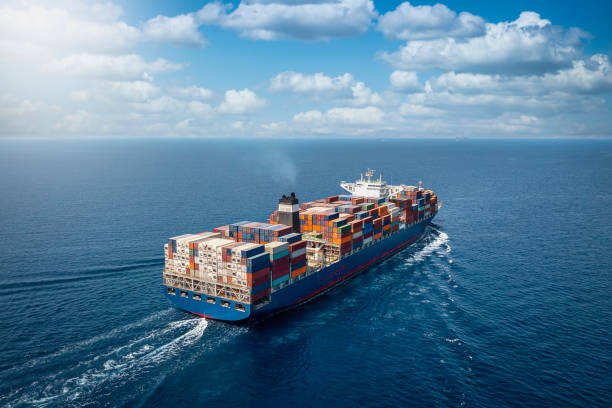
Water transport companies provide transportation solutions for passengers, cargo, equipment and other goods using boats, ferries, barges and other vessels. For coastal, riverine and waterfront locations, water transport companies can provide an efficient alternative to road transportation.
What Do Water Transport Companies Do?
Water transport providers can offer different services depending on their vessels and operating areas, including:
- Passenger water transportation
- Cargo transportation
- Ferry services
- Boat charter
- Barge transportation
- Marine logistics
- Equipment transportation
- Offshore transportation
The appropriate service depends on the route, cargo requirements and type of vessel available.
Who Uses Water Transport Services?
Water transportation can be useful for:
- Businesses
- Shipping companies
- Construction companies
- Offshore operators
- Tourism businesses
- Fishing companies
- Government organisations
- Individuals
- Event organisers
Businesses may use water transportation to move equipment, materials, personnel and supplies between locations that have suitable waterfront access.
Benefits of Water Transportation
Access to Waterfront Locations
Water transport can provide access to locations that may be difficult or inconvenient to reach by road.
Cargo Capacity
Certain vessels can carry large or heavy loads, making water transportation useful for equipment, construction materials and commercial supplies.
Passenger Transportation
Ferries and passenger boats can transport people between waterfront locations and may be useful for regular or chartered journeys.
Support for Marine Operations
Water transport companies can assist offshore and coastal operations by moving personnel, supplies and equipment between shore facilities and vessels.
Types of Water Transport Services
Passenger Boat Services
Passenger boats can provide transportation for individuals and groups along suitable waterways.
Ferry Transportation
Ferries can transport passengers and, depending on the vessel, vehicles and other loads across rivers, lakes or coastal routes.
Cargo Transportation
Cargo boats and barges can move equipment, construction materials, supplies and other suitable goods.
Barge Transportation
Barges are particularly useful for transporting heavy, oversized or large-volume cargo where appropriate waterways and loading facilities are available.
Marine Logistics
Some water transport companies provide wider marine logistics support, coordinating vessels, cargo movement and transportation schedules.
Choosing a Water Transport Company
Before selecting a provider, consider:
- The type and capacity of vessels available.
- The route and destination.
- Passenger or cargo requirements.
- Loading and unloading facilities.
- Safety procedures and crew qualifications.
- Vessel condition and maintenance.
- Insurance and required documentation.
- Weather and waterway conditions.
Commercial operators should also ensure that the relevant maritime requirements and approvals are met.
Water Transport for Businesses
Businesses may use water transportation when moving goods, equipment or personnel between coastal or river-accessible locations.
For larger transportation projects, provide the cargo dimensions, weight, pickup location, destination and preferred schedule so the appropriate vessel can be selected.
Water Transport in Ghana
Ghana’s coastline, ports, lakes and waterways create opportunities for different forms of marine transportation. The Tema area and other coastal locations support significant maritime and logistics activity.
Water transportation can be particularly useful where the origin and destination have suitable waterfront access.
Arrange Water Transport Services
The right water transport company can help businesses and individuals move passengers, equipment and cargo efficiently where marine transportation is suitable.
Travo.ng can help coordinate transportation and logistics requirements, including water transport arrangements where suitable providers and routes are available.
