


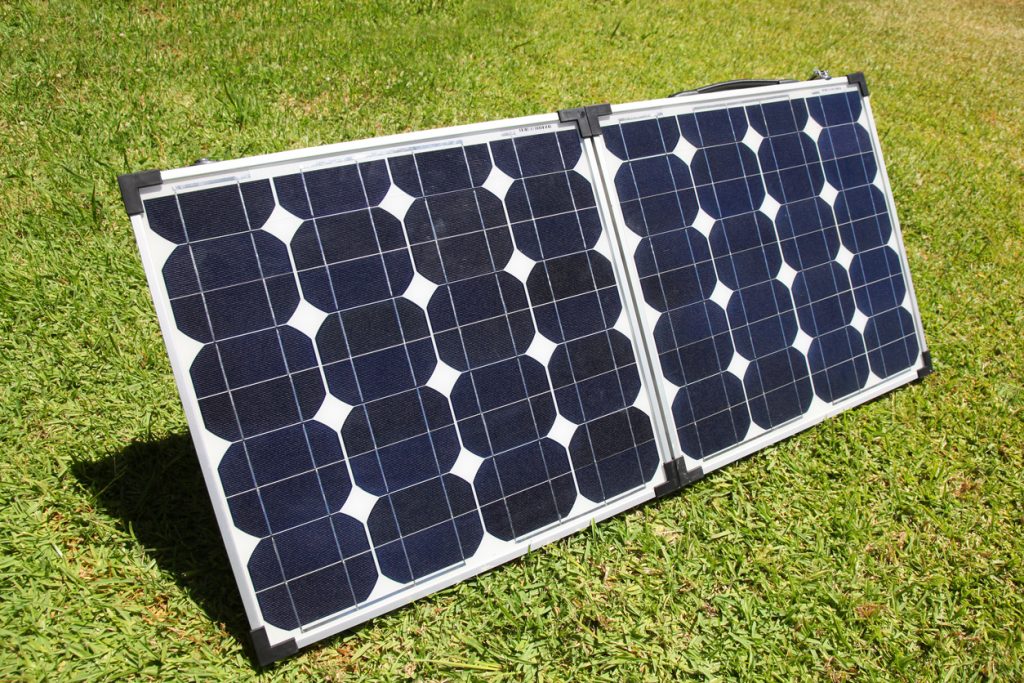
Finding a reliable solar charging station in Nigeria is becoming increasingly important for businesses, electric vehicle owners, and communities looking for alternatives to unstable electricity supply.
With rising fuel costs and frequent power interruptions, solar-powered charging facilities offer a practical way to keep devices, batteries, and electric vehicles running without depending entirely on generators or the national grid.
However, setting up or using these stations requires proper planning, especially in cities like Lagos, Abuja, and Port Harcourt, where electricity demand and transportation activities are high.
Where Solar Charging Stations Are Most Useful in Nigeria
Solar charging facilities serve different purposes depending on their location and capacity.
In Lagos, businesses operating electric delivery motorcycles may need charging points around Ikeja, Lekki, and Victoria Island.
Transport operators exploring electric vehicles can also benefit from charging infrastructure positioned near major commercial routes.
Other common applications include:
- Charging electric motorcycles and delivery vehicles.
- Providing electricity for phones, laptops, and portable batteries.
- Supporting businesses during power outages.
- Charging batteries used in off-grid solar systems.
- Providing backup power at markets and transport terminals.
The appropriate system depends on the equipment being charged and daily electricity consumption.
What It Costs to Set Up a Solar Charging Station in Nigeria
The cost of installing a solar charging station depends on solar panel capacity, battery storage, inverter specifications, and charging equipment.
A small facility designed for phones and portable electronics costs considerably less than a commercial electric vehicle charging station.
For example, a station serving electric motorcycles may require several kilowatts of solar panels, substantial battery storage, and compatible charging equipment.
Installation expenses may also include mounting structures, electrical protection, security arrangements, and maintenance.
Businesses should request detailed quotations rather than relying on advertised equipment prices alone.
Importantly, solar panels generate electricity during daylight, while battery storage allows charging to continue after sunset.
Choosing the Right Location for Solar Charging Equipment
Location affects how efficiently a charging station operates.
In Lagos, facilities near busy commercial districts may attract regular customers, but limited space and building restrictions can complicate installation.
Before selecting a location, consider:
- Available rooftop or ground space for solar panels.
- Daily sunlight exposure and surrounding buildings.
- Accessibility for vehicles and charging customers.
- Security for batteries and electrical equipment.
- Drainage, flooding risks, and equipment protection.
For electric vehicle charging, operators must also consider vehicle compatibility, charging speed, and expected daily demand.
A poorly positioned station can struggle financially even when the equipment works properly.
Moving Solar Equipment Safely Across Nigeria
Transporting solar panels, inverters, batteries, and charging equipment requires careful handling.
Solar panels are fragile, while large battery systems can be extremely heavy and may require special transportation precautions.
For example, moving equipment from a Lagos supplier to an installation site in Abuja involves packaging, loading arrangements, vehicle selection, and delivery coordination.
Travo.ng provides cargo logistics, transport coordination, and business logistics support that can help businesses arrange equipment movement.
Proper packaging and delivery planning reduce the risk of damage before installation begins.
Planning a Solar Charging Station That Can Grow
Businesses investing in a solar charging station in Nigeria should consider future electricity demand rather than focusing only on immediate requirements.
A facility initially serving five electric motorcycles may eventually need capacity for additional vehicles.
Choosing expandable equipment, allowing space for more panels, and planning battery upgrades can reduce future installation complications.
Maintenance is equally important. Panels require periodic cleaning, batteries need monitoring, and electrical connections should be inspected by qualified technicians.
For businesses transporting charging equipment between Nigerian cities, Travo.ng can support the logistics arrangements needed to move supplies and installation materials.
With proper planning, solar charging stations can provide a dependable alternative to generator-powered charging while supporting Nigeria’s growing interest in cleaner transportation and energy solutions.
Is this conversation helpful so far?
