


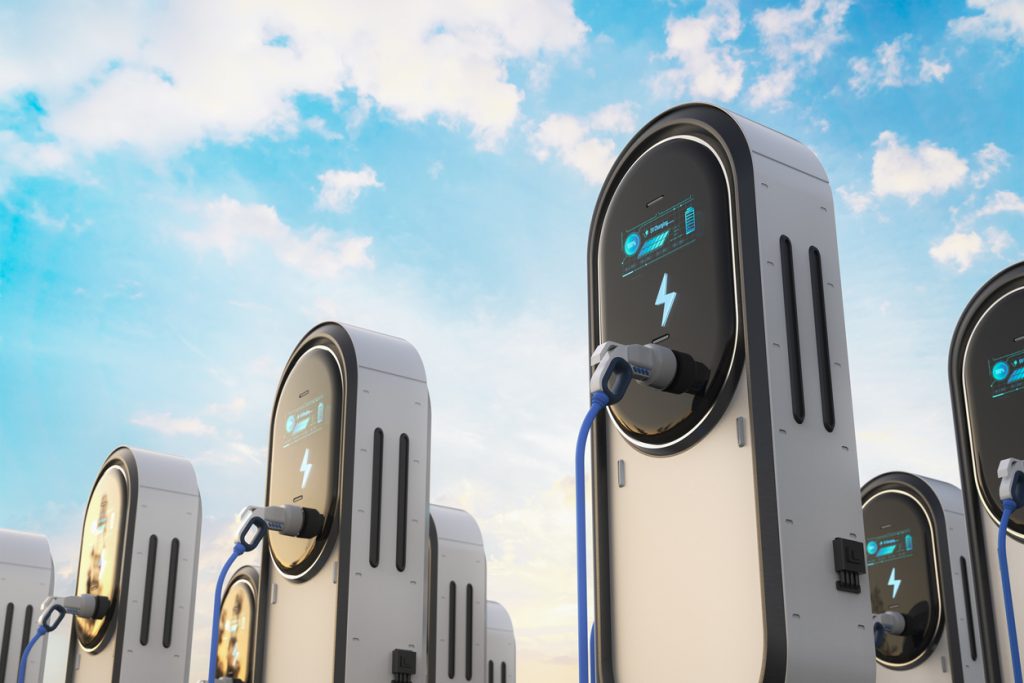
Electric vehicles are gradually becoming part of Africa’s transport conversation, but one question keeps coming up: where will drivers charge them when electricity supply is unreliable?
For countries like Nigeria, Kenya, Ghana and South Africa, the answer may lie in renewable energy.
Renewable EV charging in Africa offers an opportunity to power electric vehicles using solar, wind and other cleaner energy sources instead of depending entirely on conventional electricity grids.
However, building a practical charging network involves more than installing solar panels. Drivers need accessible charging locations, dependable equipment and realistic journey planning.
Why Solar-Powered Charging Makes Sense in Nigeria
Nigeria has considerable solar energy potential, making solar-powered charging particularly interesting for electric mobility.
In cities such as Lagos and Abuja, electricity interruptions can make conventional charging arrangements difficult. A charging station supported by solar panels and battery storage could reduce dependence on grid electricity.
For example, a logistics company operating electric delivery vans around Ikeja could potentially charge vehicles at its depot during scheduled breaks.
The arrangement becomes more useful when the company understands its daily mileage, vehicle battery capacity and charging requirements.
Solar energy alone does not guarantee uninterrupted charging. Battery storage, grid backup and proper equipment sizing remain important.
What It Takes to Charge Electric Vehicles Across African Cities
<AsyncImage query=”solar powered electric vehicle charging station canopy solar panels electric cars Africa” aspectRatio=”16:9″ width=”100%”/>
A reliable charging station needs more than a suitable parking space.
Operators must consider electricity availability, charging speed, vehicle compatibility and maintenance.
For businesses considering electric delivery fleets, several practical questions matter:
- How many kilometres will each vehicle travel daily?
- Can vehicles recharge overnight?
- Is battery storage available during power outages?
- Are technicians available to maintain charging equipment?
- Will charging schedules interfere with customer deliveries?
These questions are especially important for companies operating across Lagos, Port Harcourt and Abuja, where traffic conditions and delivery distances vary considerably.
Can Renewable Charging Support Interstate Travel?
Long-distance electric vehicle travel presents additional challenges.
Consider a driver planning a journey from Lagos to Ibadan or Abuja.
Unlike petrol vehicles, which can refuel at numerous stations, electric vehicles depend on compatible charging infrastructure.
Drivers must confirm charging availability before departure and account for possible delays.
A charging location advertised online may not necessarily have a working charger when the vehicle arrives.
Until charging networks become more widespread, electric vehicles may be more practical on predictable urban routes than unfamiliar interstate journeys.
For businesses, this makes route planning and transport coordination particularly valuable.
How Electric Mobility Could Change Nigerian Delivery Services
Renewable charging could eventually help Nigerian logistics operators reduce their dependence on petrol and diesel.
Electric motorcycles, delivery vans and other commercial vehicles may become attractive for businesses with regular routes and reliable depot charging.
For example, a company making repeated deliveries between Victoria Island, Lekki and Ajah could evaluate electric vehicles based on daily distance, charging time and operating costs.
However, vehicle purchase prices, battery replacement costs and charging infrastructure must be considered before switching.
At Travo.ng, transport coordination, delivery services and business logistics support are relevant to these changing mobility needs.
Customers still need dependable movement of goods and people, regardless of the technology powering their vehicles.
Planning for a Cleaner Transport Future in Africa
Renewable EV charging in Africa will develop at different speeds depending on infrastructure investment, electricity reliability and vehicle adoption.
Solar-powered charging has promising applications for commercial fleets, urban transport and organised delivery operations.
For Nigerian businesses, the practical starting point is understanding existing transport costs, vehicle routes and operational requirements before investing in new technology.
As electric mobility expands, dependable logistics planning will remain essential.
Need help coordinating deliveries, cargo movement or business transport in Nigeria? Visit Travo.ng to explore available logistics and transport services that fit your requirements.
