


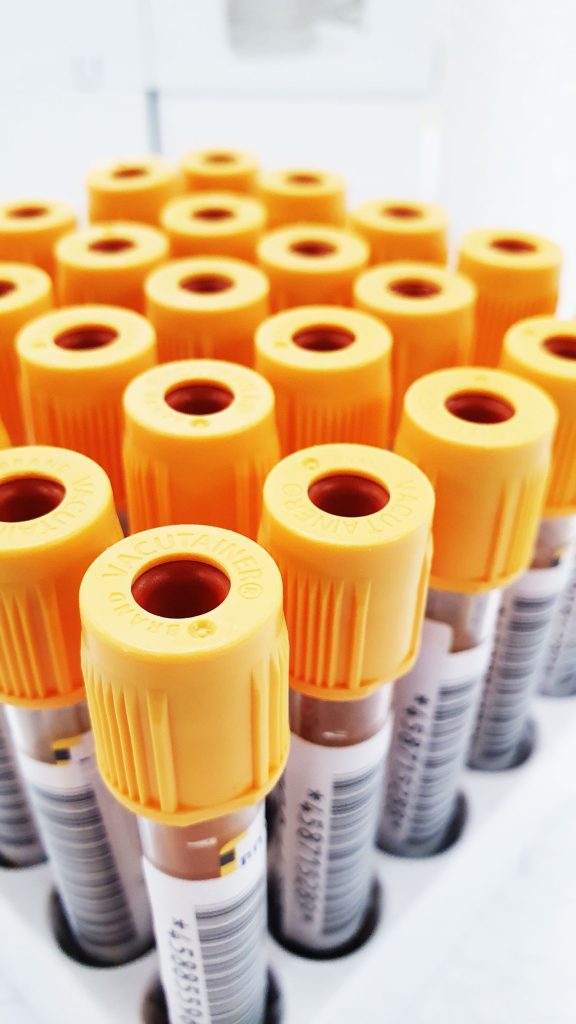
Moving medical samples is not the same as sending a regular parcel. A blood sample, swab, urine sample, tissue specimen or biopsy material may look small, but the handling process can affect test accuracy, turnaround time and patient care. This is why pathology sample transport in Nigeria needs proper coordination, trained riders or drivers, temperature awareness and reliable pickup timing.
For hospitals, diagnostic centres, private clinics and specialist labs, the real problem is usually not distance alone. It is making sure the sample leaves on time, arrives intact, is received by the right person and does not spend unnecessary hours in traffic or poor storage conditions. In cities like Lagos, Abuja, Port Harcourt, Ibadan and Benin, this requires more than casual dispatch. It requires a logistics partner that understands medical delivery pressure.
What Makes Pathology Sample Movement Different From Normal Delivery
Pathology samples are sensitive. Some samples must be processed within a short time, while others need cold-chain handling or careful separation from regular cargo. A rider carrying food orders or fashion items should not casually mix those items with clinical specimens.
In real operations, a sample may need to move from a clinic in Lekki Phase 1 to a reference lab in Yaba, from a hospital in Gwarinpa to a diagnostic centre in Wuse, or from a private facility in Ikeja to a laboratory near Lagos University Teaching Hospital. These routes may look simple on a map, but traffic, pickup delays and poor packaging can quickly affect the job.
A proper medical delivery process should consider:
Sample type and urgency: Blood, swabs, biopsy specimens and stool samples may all require different handling timelines.
Packaging condition: Samples should be sealed, labelled and placed in appropriate transport containers before pickup.
Temperature needs: Some items require cold packs or controlled handling, especially where delays are likely.
Clear handover: The dispatch person must know who is releasing and who is receiving the sample.
Common Problems Clinics Face When Sending Samples
Many smaller clinics do not run full laboratory services in-house, so they depend on external labs for specialist tests. The challenge is that patients still expect fast results. If a sample is collected at 9am but does not reach the lab until late afternoon, the report may be delayed until the next day.
In Lagos, same-day sample movement can be affected by Third Mainland Bridge traffic, Lekki-Epe Expressway congestion, rain, fuel scarcity, police checkpoints or poor coordination between the clinic and rider. In Abuja, distance between areas like Lugbe, Maitama, Wuse, Gwarinpa and the airport road can also create delays if pickups are not planned properly.
A common mistake is booking a general dispatch rider without explaining that the package is a medical specimen. Another mistake is waiting until several samples pile up before arranging transport, which can slow down urgent test processing.
Practical Timelines for Sample Transport in Nigerian Cities
Timelines depend on the pickup location, delivery point, traffic and urgency. Within Lagos, pathology sample delivery may take 1 to 3 hours for nearby routes such as Ikeja to Maryland or Lekki to VI, but longer cross-city trips may need 3 to 5 hours during peak traffic.
In Abuja, many local sample movements can be completed within 1 to 3 hours when scheduled properly. Interstate movement, such as Lagos to Ibadan or Abuja to Kaduna, requires more planning because packaging, handover and arrival timing must be properly controlled.
For urgent samples, clinics should book pickup immediately after collection, not after closing hours. For routine daily batches, a fixed pickup schedule works better.
How Travo.ng Supports Pathology Sample Transport in Nigeria
Travo.ng helps clinics, diagnostic centres, hospitals and healthcare businesses coordinate reliable medical logistics across Nigeria. For pathology sample transport in Nigeria, the focus is on timely pickup, careful handling, clear communication and dependable delivery to the receiving laboratory.
Depending on the request, Travo.ng can support:
Scheduled clinic-to-lab sample pickups.
Urgent same-day medical deliveries.
Intercity medical logistics coordination.
Hospital and diagnostic centre delivery support.
Courier services for documents, reports and medical supplies.
This is useful for clinics that do not want to rely on random riders every time a sample needs to move. It also helps labs that receive samples from multiple collection points and need a more organised dispatch arrangement.
What Clinics Should Prepare Before Booking Pickup
Before requesting sample transport, the clinic should confirm the sample is properly sealed, labelled and placed in the right carrier. The receiver’s name, phone number, lab address and any special handling instruction should be ready before the rider or driver arrives.
It also helps to state whether the delivery is urgent, temperature-sensitive or part of a routine batch. Clear information reduces back-and-forth calls and prevents delays at pickup or drop-off.
Booking Medical Sample Delivery With Better Confidence
Pathology logistics may not always be visible to patients, but it has a direct effect on result turnaround and service quality. A clinic that moves samples quickly and safely can serve patients better, reduce complaints and work more smoothly with partner laboratories.
For hospitals, labs and healthcare providers that need dependable pathology sample transport in Nigeria, Travo.ng offers practical delivery coordination built around real local movement challenges. Whether it is a same-day lab pickup in Lagos, a scheduled route in Abuja or medical logistics support between cities, Travo.ng helps make the process easier to manage and more reliable.
