


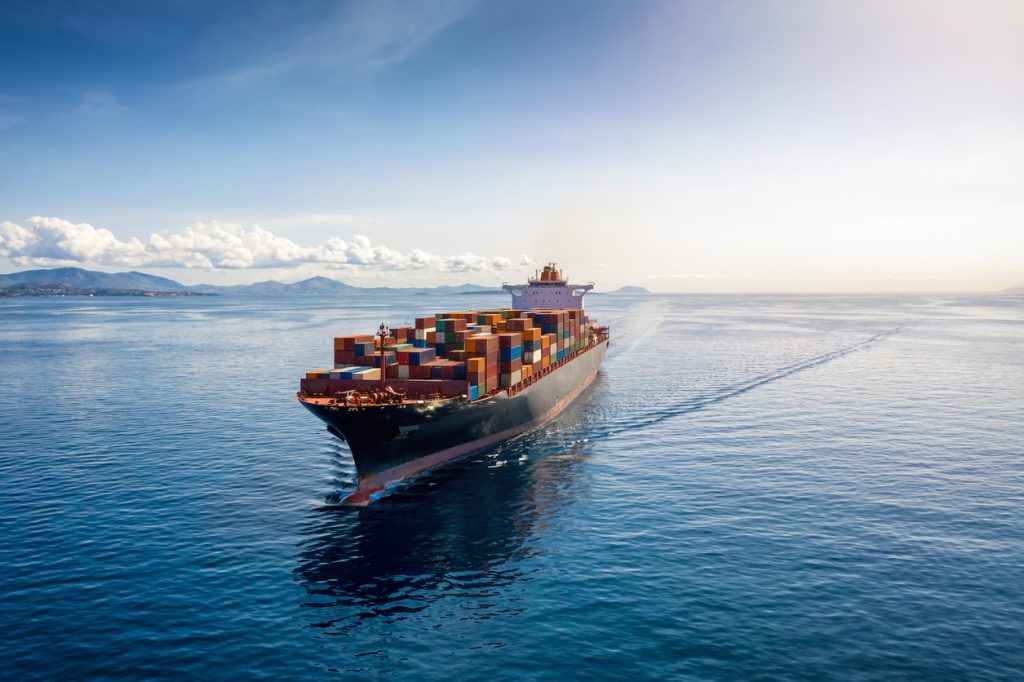
Oversized cargo shipping in Nigeria refers to the transport of goods that are too large, too heavy, or too wide for standard trucks or containers. This is also called heavy haulage or project cargo logistics.
It is commonly used in industries like:
- 🏗️ Construction (cranes, steel beams, prefabricated buildings)
- 🛢️ Oil & gas (rig equipment, pipelines, generators)
- ⚙️ Manufacturing (industrial machines, factory equipment)
- 🚜 Agriculture (tractors, harvesters)
🚚 What Counts as Oversized Cargo?
Cargo is considered oversized when it:
- Exceeds standard container dimensions (20ft/40ft)
- Is heavier than normal road limits (often 20–100+ tons)
- Requires special loading or escort vehicles
- Cannot pass through normal road infrastructure without planning
Examples:
- Bulldozers and excavators
- Industrial generators
- Wind turbine parts
- Large tanks and pressure vessels
- Construction bridge materials
🚛 How Oversized Cargo is Transported in Nigeria
Oversized logistics requires special equipment and permits:
🟢 1. Heavy-Duty Trucks & Trailers
- Low-bed trailers
- Extendable flatbeds
- Modular trailers (SPMT systems for extreme loads)
- Multi-axle trucks to distribute weight
Heavy hauler equipment is used to safely move extremely large loads that cannot be transported normally.
🟡 2. Port & Sea Freight (Import Stage)
Most oversized cargo enters Nigeria through ports like:
- Apapa Port (Lagos)
- Tin Can Island Port
- Onne Port (Rivers State)
These ports handle breakbulk and heavy-lift cargo, including industrial machines and oil equipment.
🔵 3. Inland Movement (Final Delivery)
After clearance at the port, cargo is moved via:
- Special convoy trucks
- Police/escort vehicles (for very large loads)
- Night movement (to reduce traffic disruption)
- Route surveys before movement
🏢 Oversized Cargo Logistics Companies in Nigeria
Some companies handling heavy lift and project cargo include:
- 🚛 Intels Nigeria – major oil & gas logistics operator in Onne
Intels Nigeria - 🚛 Nigerdock (Lagos Snake Island logistics hub)
- 🚛 Cargoburg Logistics (freight forwarding & heavy cargo handling)
- 🚛 Freight forwarders at Apapa & Tin Can ports
- 🚛 International heavy haul firms (project cargo specialists)
⚙️ Key Steps in Oversized Cargo Shipping
- 📦 Cargo inspection and classification
- 📜 Permits from transport authorities
- 🧭 Route survey (bridge height, road width, weight limits)
- 🚛 Equipment selection (low-bed or modular trailers)
- 🚓 Escort arrangement (FRSC / police if required)
- 🚚 Loading and transport execution
- 🏁 Delivery and offloading
💰 Cost of Oversized Cargo Shipping in Nigeria (2026 Estimate)
Costs depend on size, weight, and distance:
- 🏙️ Intra-city movement: ₦150,000 – ₦800,000
- 🚚 Lagos → Abuja: ₦1.5M – ₦6M+
- 🚚 Lagos → Port Harcourt: ₦1M – ₦5M+
- 🏗️ Large industrial project cargo: custom quote (millions of naira)
Extra costs may include:
- Escort/security vehicles
- Road permits
- Insurance coverage
- Crane loading/offloading
⚠️ Challenges in Nigeria
- Poor road infrastructure in some corridors
- Traffic congestion (especially Lagos axis)
- High fuel and operational costs
- Regulatory delays at ports
- Route restrictions for very large loads
🔎 Travo.ng Logistics Insight (IMPORTANT)
For easier planning and comparison of heavy cargo transport:
👉 Travo.ng
On Travo.ng, users can:
- Request quotes for oversized cargo shipping
- Connect with verified heavy haul logistics companies
- Compare freight providers in Nigeria
- Plan safe transport routes for project cargo
💡 Final Thoughts
Oversized cargo shipping in Nigeria is a specialized logistics sector that supports key industries like oil & gas, construction, and manufacturing. It requires careful planning, proper equipment, and experienced operators to ensure safe and legal delivery.
