


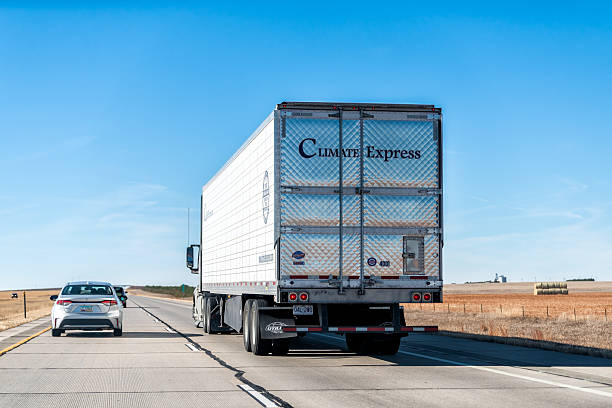
Long distance truck monitoring refers to the use of GPS and fleet tracking systems to supervise trucks that travel across cities, states, or regions while carrying goods. It allows logistics companies, manufacturers, importers, and haulage operators to monitor vehicle location, driver behavior, and cargo status in real time throughout the entire journey.
In major transport corridors leading in and out of logistics hubs like Lagos, long-distance monitoring is essential for keeping supply chains predictable, secure, and efficient.
What long distance truck monitoring actually is
Long distance truck monitoring is a GPS-based system that tracks trucks continuously from dispatch point to final delivery destination.
It helps businesses:
- Track trucks in real time across long routes
- Monitor cargo movement between cities and states
- Ensure drivers follow approved highways and routes
- Improve delivery timing and coordination
- Reduce theft, delays, and diversion risks
- Maintain visibility over entire logistics operations
It gives full control over long-haul transportation.
Why long distance truck monitoring is important
Long-distance haulage involves higher risks compared to local transport.
Common challenges include:
- Cargo theft on highways
- Driver route deviations or unscheduled stops
- Fuel theft or inefficiency
- Delays caused by traffic, checkpoints, or breakdowns
- Lack of communication during transit
- Difficulty locating trucks in real time
Monitoring systems help reduce these risks with live tracking and alerts.
How long distance truck monitoring systems work
Modern systems combine GPS devices, mobile networks, and cloud dashboards.
A typical setup includes:
- GPS tracker installed in the truck
- Real-time location updates via mobile or satellite networks
- Fleet management dashboard for logistics teams
- Route history and trip playback
- Alerts for delays, stops, or deviations
This ensures continuous visibility from departure to arrival.
Key features of long distance truck monitoring systems
A strong system provides more than just location tracking.
Important features include:
- Live truck tracking across regions
- Route deviation and geofencing alerts
- Estimated time of arrival (ETA) updates
- Stop duration and idle time monitoring
- Driver behavior tracking (speeding, harsh braking)
- Trip history and reporting tools
- Multi-truck fleet overview dashboard
These features improve safety and logistics planning.
How monitoring improves cargo security
Cargo transported over long distances is exposed to higher security risks.
Tracking helps by:
- Providing real-time visibility of truck movement
- Alerting managers to unauthorized stops or detours
- Helping recover stolen vehicles faster
- Monitoring night travel routes
- Ensuring compliance with planned logistics paths
This significantly reduces cargo loss and theft risk.
How it improves logistics efficiency
Long distance transport depends heavily on timing and coordination.
Monitoring helps companies:
- Optimize long-haul routes
- Reduce delivery delays
- Improve truck utilization rates
- Coordinate multiple deliveries efficiently
- Plan warehouse and depot operations better
This leads to smoother supply chain performance.
Fuel and cost efficiency benefits
Fuel is one of the biggest expenses in long-distance trucking.
Monitoring helps reduce costs by:
- Preventing fuel theft or misuse
- Reducing unnecessary stops and idle time
- Improving driving behavior
- Optimizing route selection
- Reducing empty return trips
Over time, this improves profitability.
Common problems solved by truck monitoring
Without tracking systems, logistics operations often face:
- Missing or delayed trucks
- Lack of visibility on long routes
- Cargo diversion or theft
- Poor driver accountability
- High operational costs
Monitoring systems help eliminate these issues.
Long distance monitoring in Nigerian logistics corridors
In high-traffic logistics routes connecting cities like Lagos to northern and eastern regions, tracking is especially important.
It helps companies:
- Monitor trucks leaving ports and warehouses
- Improve coordination across interstate routes
- Reduce delays caused by checkpoints or traffic
- Ensure safer highway travel
- Maintain consistent delivery schedules
Common mistakes logistics companies make
Some operators fail to get full value from monitoring systems.
Common mistakes include:
- Ignoring route deviation alerts
- Not reviewing driver performance reports
- Poor installation of tracking devices
- Using tracking only during emergencies
- Lack of integration with logistics planning
Proper system use is key to success.
Integration with logistics systems
Long distance truck monitoring can integrate with:
- Fleet management platforms
- Freight forwarding systems
- Warehouse management tools
- Fuel monitoring systems
- Supply chain analytics dashboards
This creates a fully connected logistics ecosystem.
How Travo.ng supports long distance truck monitoring
Effective long-haul logistics requires both tracking technology and operational coordination.
Travo.ng supports businesses through:
- Real-time truck and fleet tracking systems
- Logistics coordination across Nigeria
- Route optimization and delivery planning
- Supply chain visibility tools
- Transport management support for long-distance operations
This helps companies improve safety, efficiency, and reliability.
Final thoughts
Long distance truck monitoring in Nigeria is essential for managing cargo across states and regions. It improves security, reduces costs, enhances visibility, and ensures timely deliveries.
In busy logistics routes leading in and out of major hubs like Lagos, monitoring systems help companies maintain control and efficiency across their entire supply chain.
