


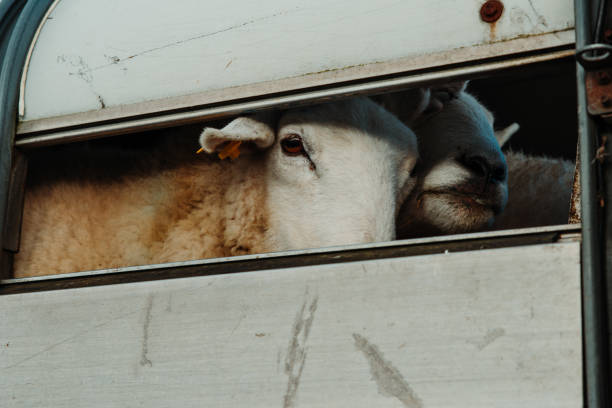
Livestock transportation is an important part of farming and the meat supply chain in Nigeria. Cattle, goats, sheep, pigs and other farm animals may need to travel between farms, ranches, markets, breeding facilities and abattoirs.
Livestock welfare transport Nigeria focuses on making these journeys safer and reducing unnecessary stress, injury, heat exposure and delays. Good welfare starts before loading and continues until the animals are safely unloaded at their destination.
Check Livestock Before Transport
Not every animal is suitable for every journey. Animals should be checked before loading, particularly when transportation will involve a long road journey.
An animal that is sick, seriously injured, extremely weak or otherwise unable to cope with the journey may need veterinary assessment before transportation. WOAH guidance recommends that only animals fit to travel should be loaded, with veterinary examination where fitness is uncertain. (WOAH)
Farmers should also consider the age, physical condition and previous transport experience of the animals when planning a journey.
Choose a Suitable Livestock Vehicle
The vehicle should be appropriate for the species, number and size of animals being transported.
A suitable livestock vehicle should provide:
• Secure containment
• Adequate ventilation
• Appropriate flooring and footing
• Sufficient space
• Protection from excessive weather exposure
• Safe loading and unloading access
The vehicle should also be inspected before departure to identify sharp edges, damaged flooring or other features that could injure animals.
Avoid Overcrowding
Overcrowding can make livestock transportation considerably more difficult.
Animals need sufficient space to maintain their balance and avoid unnecessary contact or pressure from other animals. The appropriate space allowance depends on factors such as species, size, weather and journey conditions.
WOAH guidance identifies space allowance, ventilation, vehicle design, weather and journey duration as important considerations when planning land transport. (WOAH)
This is particularly relevant in Nigeria where high temperatures and traffic delays can make conditions inside a vehicle more challenging.
Load Livestock Calmly
Loading should be organised before the vehicle arrives at the farm or collection point.
Handlers should understand how the animals behave and avoid unnecessary shouting, hitting or force. Suitable ramps and loading areas can make it easier for cattle, goats, sheep and other livestock to enter the vehicle safely.
The loading process should also account for the number of animals and how they will be positioned inside the vehicle.
Manage Heat During Nigerian Road Journeys
Heat is an important consideration when transporting livestock in Nigeria.
A journey that normally takes a few hours can become much longer because of traffic congestion, road construction, vehicle problems or other delays. Good ventilation should therefore be maintained throughout the journey.
WOAH recommends considering forecast weather, vehicle ventilation, journey duration and emergency arrangements during transport planning. (WOAH)
Where practical, the route and departure time should be planned to reduce unnecessary exposure to extreme heat and traffic delays.
Drive With the Animals in Mind
Driving behaviour can directly affect livestock inside the vehicle.
Sudden braking, sharp turns and aggressive acceleration can cause animals to lose their balance or collide with one another. Smooth driving is particularly important when transporting cattle, sheep, goats and other large animals.
The driver should also understand that poor road surfaces and excessive speed can increase movement inside the vehicle.
Plan Long-Distance Livestock Transport
Long-distance livestock transportation requires more preparation than a short farm-to-market journey.
Before departure, the transport plan should consider:
• Journey duration
• Road and traffic conditions
• Weather
• Vehicle condition
• Space requirements
• Water and feeding arrangements where applicable
• Veterinary requirements
• Rest arrangements where applicable
• Emergency procedures
• Receiving arrangements
WOAH describes journey planning as a key factor in animal welfare and recommends considering the route, vehicle, documentation, space, feed, water, animal observation, disease control, weather and emergency response. (WOAH)
Plan for Traffic and Vehicle Problems
Livestock transportation should include a contingency plan.
For example, a truck travelling from a farm in northern Nigeria toward Abuja or from a farm around Ibadan toward Lagos may encounter unexpected traffic or road delays. A vehicle breakdown can also extend the journey significantly.
The person responsible for the animals should know what to do if the journey takes longer than expected and how to obtain assistance if an animal becomes sick or injured.
WOAH’s January 2026 statement on animal transport also emphasises planning, clear responsibilities, appropriate infrastructure and communication between everyone involved in the journey. (WOAH)
Keep Veterinary and Movement Requirements in Order
Animal welfare planning should be carried out alongside the applicable veterinary requirements.
For regulated livestock movements, owners may need veterinary movement or loading documentation, particularly when animals are transported between states. The relevant requirements should be confirmed before the animals are loaded.
Nigeria’s animal quarantine system also carries out veterinary functions involving live animals, including health inspections for cattle, sheep, goats and other animals involved in regulated import and export movements. (National Agricultural Quarantine Service)
Having the necessary documentation ready can help avoid unnecessary delays during the journey.
Unload Livestock Promptly
Animal welfare continues after the vehicle reaches its destination.
The receiving farm, market, ranch or abattoir should be ready before the vehicle arrives. Animals should be unloaded as soon as reasonably possible while allowing the process to take place calmly and safely.
WOAH guidance recommends prompt unloading into appropriate facilities, with suitable space, ventilation, water and feed where required. (WOAH)
If an animal becomes sick or injured during the journey, responsibility should be transferred to a suitable person or veterinarian at the destination where necessary.
Clean the Vehicle After Delivery
Cleaning the vehicle after unloading is an important part of responsible livestock transportation.
Animal waste and contamination can create hygiene and disease-control concerns when vehicles are repeatedly used for different journeys. Appropriate cleaning and disinfection should therefore form part of the transport process.
This is particularly important for transport operators who regularly move livestock between different farms, markets and states.
How Much Does Livestock Welfare Transport Cost in Nigeria?
There is no fixed price for welfare-focused livestock transportation. The cost can depend on:
• Type and number of animals
• Pickup location
• Destination
• Journey distance
• Vehicle size and design
• Space requirements
• Loading and unloading arrangements
• Journey duration
• Veterinary requirements
• Fuel and road expenses
• Special handling requirements
A longer journey or movement requiring more space and specialised handling may cost more than a short local livestock trip.
Arranging Livestock Welfare Transport With Travo.ng
Travo.ng can help coordinate livestock transportation where the requested service is available.
When requesting transportation, provide the livestock type, number of animals, pickup location, destination, preferred travel date and any special requirements. This information helps determine the appropriate vehicle and journey arrangement.
For farmers, ranchers and livestock traders, welfare should be considered from the moment animals are prepared for loading until they are safely received at their destination. Proper planning, suitable vehicles, calm handling, ventilation and realistic journey arrangements can make livestock transportation safer and more organised.
