


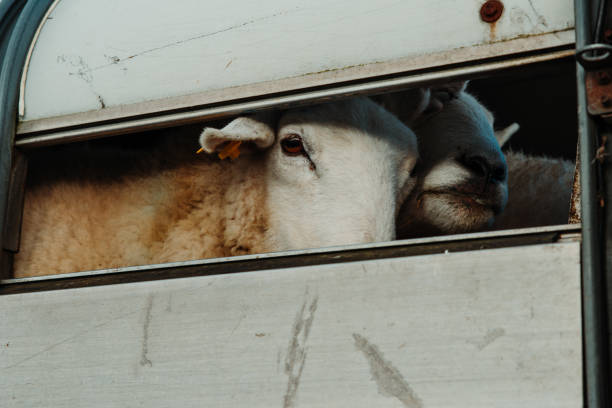
Moving livestock between locations in Nigeria can involve more than hiring a truck and taking animals to their destination. For regulated trade animals, veterinary movement documentation is an important part of the transportation process, particularly when animals are moved between states.
A livestock movement permit Nigeria is used to support the inspection and disease-control process for trade animals being transported from one area to another. Farmers, livestock traders, ranchers and transport operators should establish the applicable requirements before the animals are loaded.
What Is a Livestock Movement Permit?
A veterinary movement and loading permit is a document associated with the movement of trade animals. Under Nigeria’s animal disease-control framework, trade animals are to be accompanied by a veterinary movement and loading permit at interstate veterinary control posts. (National Agricultural Quarantine Service)
The movement permit is intended for a specific journey rather than being a general document that can be used indefinitely for different trips. The applicable legislation provides for the permit to state the route and control posts through which the animals are expected to pass. (FAOLEX Database)
When Is a Movement Permit Needed?
The requirement is particularly relevant when transporting trade animals from one area to another.
Livestock movements may include:
• Cattle moving from a ranch to a livestock market
• Goats travelling between states
• Sheep being transported to an abattoir
• Pigs moving between commercial farms
• Livestock being taken from a market to another state
• Breeding animals being transported to another farm
The exact requirements can depend on the animal, route and purpose of the movement, so owners should confirm the applicable procedure with the relevant veterinary authority before departure.
What Information Is Associated With the Permit?
Because the permit relates to a particular journey, information about the movement needs to be accurate.
This can include details such as:
• Type of livestock
• Number of animals
• Origin of the animals
• Destination
• Route to be followed
• Relevant veterinary control posts
• Details required by the authorised veterinary officer
The movement should match the information provided for the permit. Owners should avoid changing the destination or route without first establishing whether the documentation needs to be updated.
Who Issues the Livestock Movement Permit?
The applicable veterinary authority or authorised officer is responsible for issuing the movement documentation.
The Animal Diseases (Control) Act provides that a movement permit is issued by an authorised officer, and that the officer must be satisfied that the relevant requirements have been met and that the animals are fit to travel. (Nigerian LawCompass)
Farmers and livestock traders should therefore make arrangements through the appropriate veterinary channels rather than relying on an informal document prepared by a driver or transporter.
Livestock Control Posts in Nigeria
Veterinary control posts play an important role in monitoring trade animals during movement.
NAQS says its animal quarantine function includes inspection of trade animals at designated quarantine control posts and surveillance for contagious and economically important animal diseases. (National Agricultural Quarantine Service)
The movement permit can therefore be important during the journey, not simply at the farm before departure. The person responsible for the animals should keep the relevant documentation available for inspection.
What Happens at a Veterinary Control Post?
Animals may be inspected when they reach designated control points.
Veterinary officers can check the animals and accompanying documentation. Depending on the circumstances, animals may also be subject to further observation or treatment where disease-control concerns arise.
The person in charge of the animals should therefore have the required paperwork available and ensure that the animals and journey details correspond with the documentation.
Preparing Livestock Before Applying for Movement Documentation
It is useful to establish the complete journey before beginning the transport process.
The farmer or trader should know:
• Where the animals are being collected
• Where they are going
• The species and number of animals
• The planned travel date
• The proposed route
• The vehicle that will be used
• Whether the journey crosses state boundaries
• Any veterinary requirements that apply
Having these details ready can make the documentation and transport planning process more straightforward.
Choosing a Vehicle for Permitted Livestock Movement
Obtaining a movement permit does not replace the need for a suitable livestock vehicle.
The vehicle should be appropriate for the species and number of animals being transported. It should provide secure containment, suitable footing and adequate ventilation.
The Animal Diseases (Control) Act also contains provisions concerning livestock vehicles and loading or unloading ramps intended to reduce injuries such as fractures and bruises. (FAOLEX Database)
For long Nigerian road journeys, farmers should also consider heat, traffic congestion, road conditions and possible delays.
Keep the Permit With the Animals During the Journey
The person responsible for the animals should keep the movement permit available until the destination stated on the permit has been reached.
The relevant legislation provides for the permit to be produced for inspection when requested by an authorised officer. (LawCare Nigeria)
This makes it important for the driver or responsible livestock handler to know which documents accompany the animals before leaving the farm or market.
What Happens If Livestock Moves Without the Required Documentation?
Moving regulated animals without complying with applicable veterinary requirements can create problems at control points and may result in inspections, delays or enforcement action.
The NAQS Act also makes it an offence to knowingly provide false information to obtain a regulated document or to alter, forge, deface or destroy a document issued under the Act. (National Agricultural Quarantine Service)
For this reason, farmers and livestock traders should use the correct official process rather than relying on unofficial paperwork.
How Much Does a Livestock Movement Permit Cost?
The cost of obtaining documentation can depend on the applicable veterinary service, animal type and circumstances of the movement. Transport costs are separate and depend on factors such as distance, livestock numbers, vehicle capacity, fuel and loading requirements.
It is therefore better to confirm the current applicable fees with the relevant veterinary authority rather than relying on an old price.
Arranging Livestock Transportation With Travo.ng
Travo.ng can help coordinate the transportation side of livestock movements where the requested service is available.
When arranging transport, provide the pickup location, destination, livestock type, number of animals, travel date and whether the journey is interstate. If a movement permit or veterinary inspection is required, this should be established before the vehicle is dispatched.
Proper documentation and suitable transportation should be planned together. This helps farmers and livestock traders reduce avoidable delays at veterinary control points and organise the journey more efficiently.
