


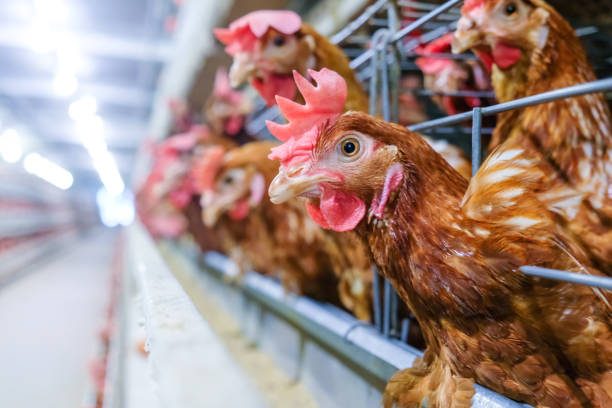
Layer chicken transport in Nigeria is common when poultry farmers move hens between farms, sell mature birds, take spent layers to live bird markets, or deliver birds to buyers and processors.
Unlike day-old chicks, layers are fully grown birds and can be heavier and more difficult to handle. Their transportation requires suitable crates, enough ventilation, careful loading and a journey plan that considers Nigeria’s heat, traffic and road conditions.
Nigeria’s Federal Ministry of Livestock Development identifies road transport as the main method used for moving poultry and notes that live birds are commonly transported in plastic or cane basket cages. (FMLD)
Preparing Layer Chickens for Transport
Before transportation, inspect the birds and separate any that are visibly sick, injured or otherwise unsuitable for the journey. Prepare clean, secure crates that are appropriate for the size of the birds.
Avoid overcrowding. Layers need sufficient space to remain stable and for air to circulate around the crates.
The crates should also be secured properly inside the vehicle. They should not slide, fall or become compressed by other cargo during the journey.
Managing Heat During Layer Chicken Transport
Heat management is particularly important when transporting layers in Nigeria. Poor ventilation and overcrowding can make conditions worse, especially when a vehicle is stuck in traffic.
Plan longer journeys around cooler periods where possible and avoid unnecessary stops. The hottest part of the day should be avoided when practical, particularly for vehicles without specialised ventilation systems.
The Federal Ministry of Livestock Development’s poultry biosecurity guidance also highlights the importance of proper ventilation and appropriate handling during live-bird transportation. (FMLD)
For routes such as Lagos to Abuja, Lagos to Ibadan, Lagos to Benin City or Abuja to Kaduna, expected traffic should be considered when choosing the departure time.
Loading Layers Without Unnecessary Stress
Loading is one of the most important stages of the journey. Birds should be handled carefully and placed into crates without unnecessary throwing, dragging or rough treatment.
Once the crates have been filled, check that the doors are properly closed and that the containers are stable.
Avoid placing heavy items on top of crates containing live layers. The vehicle should also allow enough airflow around the entire load.
Transporting Layers From Farm to Market
Farmers selling mature or spent layers may need to move birds from their farms to local live bird markets.
Before departure, confirm:
- Number of layers being transported
- Number of crates required
- Farm pickup location
- Market or delivery destination
- Departure time
- Expected journey duration
- Buyer or recipient’s contact details
- Unloading arrangements
The receiving market or buyer should be ready when the birds arrive. This helps reduce unnecessary waiting after transportation.
Interstate Layer Chicken Transport in Nigeria
Moving layers between states requires more planning because long journeys can involve traffic, poor road conditions, vehicle problems and weather changes.
For example, a farmer moving layers from Ogun State to Lagos or from Lagos to Abuja should arrange the pickup, route and receiving location before loading the birds.
For longer commercial movements, have contingency arrangements in case of breakdowns or significant delays. Nigeria’s poultry biosecurity procedures specifically address emergency arrangements for incidents such as vehicle breakdowns and adverse weather. (FMLD)
Transporting Spent Layers
Spent layers are often moved when farmers are clearing an old flock and preparing to introduce a new one. These birds may be sold to live bird traders, markets or other buyers.
Extra care is useful when transporting older birds because their condition can vary depending on age, health and production history.
The buyer and transporter should agree on the number of birds, collection time, destination and unloading arrangements before the birds leave the farm.
How Much Does Layer Chicken Transport Cost in Nigeria?
There is no fixed price for layer chicken transport in Nigeria. The cost depends on the particular movement.
Factors that can affect the price include:
- Number of layers
- Number of crates required
- Pickup location
- Destination
- Distance
- Vehicle size
- Door-to-door delivery requirements
- Travel date and timing
- Traffic and road conditions
- Special handling requirements
Moving a small number of layers within Lagos will have different logistics from transporting hundreds of birds from a farm to Abuja or another state.
Cleaning and Biosecurity During Layer Transport
Biosecurity should not be overlooked when transporting layers. Crates, vehicles and handling equipment can come into contact with birds from different farms.
Nigeria’s poultry biosecurity guidance includes cleaning and disinfection measures for poultry transportation and recommends attention to biosecurity throughout the poultry value chain. (FMLD)
For farmers who regularly transport birds, cleaning and disinfecting reusable transport equipment before another farm movement can help reduce the risk of carrying contamination between locations.
Arranging Layer Chicken Transport With Travo.ng
If you need to arrange layer chicken transport through Travo.ng, provide the key details before the transportation is confirmed.
Mention the number of layers, pickup location, destination, preferred travel date and whether you need farm pickup, market delivery or door-to-door transportation.
Clearly state that the shipment contains live layer chickens rather than ordinary cargo. This allows the transportation requirements to be considered when planning the logistics.
Travo.ng can help coordinate relevant transportation and delivery requirements where the requested service is available. For larger commercial movements, confirm any applicable veterinary, biosecurity or specialist handling requirements before booking.
Preparing for the Layers to Arrive
The receiving location should be ready before the vehicle arrives. Once the birds are delivered, unload them carefully and move them into the appropriate prepared environment.
Check the birds for obvious signs of injury or excessive stress and provide suitable care after arrival.
For commercial farms, keeping records of the number of layers transported, departure time, arrival time and condition on arrival can help identify problems with particular routes or transport arrangements.
Layer chicken transport in Nigeria requires more than simply finding a vehicle. Proper crates, ventilation, careful loading, sensible journey timing, clean equipment and reliable delivery coordination all contribute to a safer and more organised movement of live layers.
