


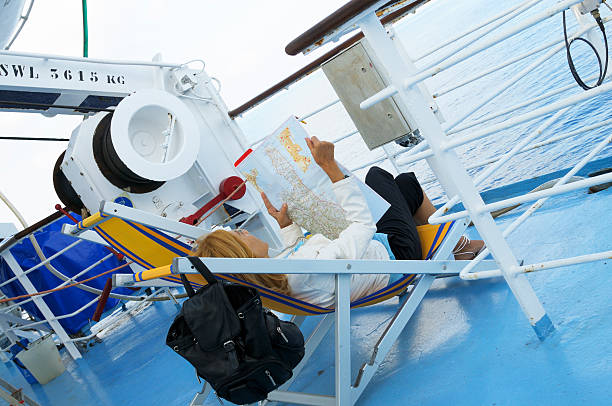
Ferry routes connect communities, cities, islands and other destinations across rivers, lakes and coastal waterways. For passengers and businesses, travelling by ferry can provide a practical alternative to longer road journeys where suitable water routes are available.
What Are Ferry Routes?
A ferry route is a designated water transportation path connecting two or more boarding and landing locations.
Depending on the service, ferry routes may support:
- Passenger transportation
- Vehicle transportation
- Cargo movement
- Commuter travel
- Tourism
- Private boat charters
The available routes depend on the waterways, ferry operators and vessels serving a particular area.
Why Choose Ferry Transportation?
Ferry routes can provide several advantages:
- Direct connections between waterfront locations
- Alternative transportation to road travel
- Passenger transportation for groups
- Vehicle transportation on suitable ferries
- Access to certain communities and destinations
- Support for tourism and commercial activities
Types of Ferry Routes
River Ferry Routes
River ferries connect communities and locations separated by rivers. They can be particularly useful where road connections are limited or require longer journeys.
Lake Ferry Routes
Lake ferries transport passengers, vehicles or cargo across lakes where suitable vessels and landing facilities are available.
Coastal Ferry Routes
Coastal ferry services connect destinations along coastlines and can provide passenger and commercial transportation between suitable waterfront locations.
Commuter Ferry Routes
Commuter routes operate between locations used regularly by workers, residents and other travellers.
Tourist Ferry Routes
Tourist routes may be designed around sightseeing, leisure trips and access to waterfront attractions.
Ferry Routes in Ghana
Ghana has a coastline and several waterways that support different forms of water transportation. Ferry services may operate on selected rivers, lakes and coastal areas.
The availability of a particular ferry route depends on the operator, vessel, waterway conditions and landing facilities.
Passengers should confirm the current route and operating schedule before planning their journey.
How to Choose a Ferry Route
When planning a ferry journey, consider:
- Your departure location.
- Your destination.
- Available ferry terminals or landing points.
- Travel date.
- Departure times.
- Passenger capacity.
- Vehicle or cargo requirements.
- Expected journey duration.
- Weather and waterway conditions.
Ferry Routes for Businesses
Businesses may use ferry routes to move employees, equipment, supplies and other suitable cargo between waterfront locations.
For commercial transportation, the cargo’s weight, size and handling requirements should be confirmed before booking.
Private Ferry and Boat Charter
If there is no suitable scheduled ferry route for your requirements, a private boat charter may provide an alternative where available.
Charters can be arranged for groups, events, business transportation and specific marine logistics requirements.
How Travo.ng Can Help
Travo.ng can help coordinate ferry transportation and water mobility arrangements where suitable routes and operators are available.
To request assistance, provide your departure location, destination, travel date, number of passengers and any vehicle or cargo requirements.
Plan Your Ferry Journey
Choosing the right ferry route can make water transportation more convenient and efficient. Always confirm the current route, departure point and schedule before travelling.
Travo.ng can help coordinate ferry transportation arrangements based on your destination, travel requirements and preferred schedule.
