


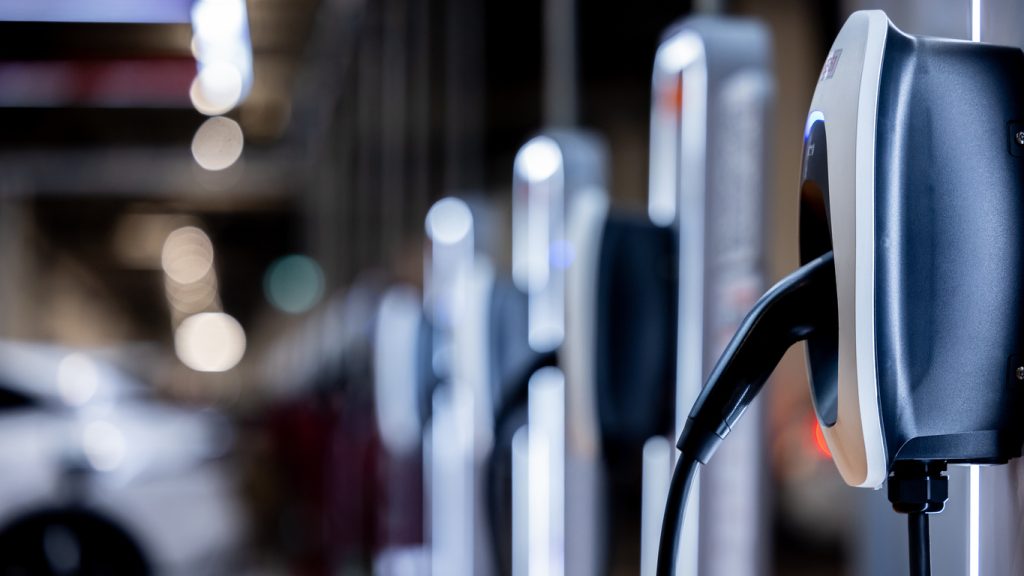
Electric vehicles are gradually gaining attention in Nigeria, particularly among businesses, private car owners, and transport operators looking to reduce fuel expenses. However, finding reliable fast EV charging in Nigeria remains a concern for drivers who need to travel without unnecessary delays.
Unlike petrol stations, which are available across most major roads, public electric vehicle charging stations are still limited. Drivers in Lagos, Abuja, and Port Harcourt must plan their charging arrangements carefully, especially when travelling long distances.
Understanding charging speeds, station availability, and electricity requirements can help EV owners avoid unexpected disruptions.
Where Can You Find Fast EV Charging in Nigeria?
Public EV charging infrastructure is developing, but access varies considerably between cities.
Lagos and Abuja are important markets for electric mobility, with charging infrastructure emerging through private operators, vehicle dealerships, and dedicated EV projects.
Some charging facilities may only serve specific vehicle brands or registered customers.
Before visiting any charging location, confirm:
- Whether the station is operational and accessible.
- The charger type and connector compatibility.
- Available charging capacity and estimated waiting time.
- Charging fees and accepted payment methods.
- Whether advance booking is required.
Drivers should never assume a charging station is available simply because it appears on an online map.
How Long Does Fast EV Charging Actually Take?
Charging time depends on battery capacity, charger output, vehicle specifications, and battery temperature.
There are two common charging options.
AC charging: Commonly used at homes, offices, and commercial buildings. Charging can take several hours, depending on the vehicle and electrical supply.
DC fast charging: Delivers higher power directly to the battery, significantly reducing charging time.
For example, a compatible electric vehicle using a 50kW DC charger may recover a substantial portion of its battery capacity within 30–60 minutes.
However, actual charging speeds depend on the vehicle’s charging limits and battery conditions.
Not every electric vehicle supports DC fast charging, making compatibility checks essential.
What Does EV Charging Cost in Nigeria?
The cost of charging depends on electricity tariffs, charger capacity, and whether the facility operates commercially.
For illustration, charging a 40kWh battery from 20% to 80% requires approximately 24kWh of energy before accounting for losses.
At an illustrative electricity rate of ₦250 per kWh, that represents ₦6,000 before charging losses or service fees.
Commercial fast-charging stations may charge differently, so drivers should confirm current rates before connecting their vehicles.
Planning Interstate Journeys With Electric Vehicles
Travelling between Lagos and Ibadan may be manageable for many modern electric vehicles, depending on battery range and traffic conditions.
Longer journeys, such as Lagos to Abuja, require considerably more preparation.
Drivers should calculate their expected energy consumption, identify verified charging stops, and maintain sufficient battery reserves.
Air conditioning, passenger weight, road conditions, and prolonged traffic can influence energy consumption.
For business travellers who cannot afford charging delays, Travo.ng offers transport coordination and vehicle hire arrangements as practical alternatives when electric vehicle charging availability is uncertain.
Making Electric Vehicle Travel More Practical
Businesses introducing electric vehicles into delivery fleets should assess charging infrastructure before expanding operations.
A courier company operating between Ikeja and Victoria Island, for example, may benefit from scheduled overnight charging rather than depending entirely on public fast chargers.
Reliable electricity, suitable parking facilities, and predictable daily mileage are important considerations.
Travo.ng supports businesses with logistics coordination, delivery arrangements, and transport planning that help maintain operations while electric mobility develops.
As charging infrastructure expands, fast EV charging in Nigeria could make electric vehicles increasingly practical for personal travel, commercial deliveries, and corporate transportation.
For now, checking charger availability, understanding vehicle limitations, and arranging dependable transport alternatives remain the smartest ways to avoid unnecessary delays.
Is this conversation helpful so far?
