


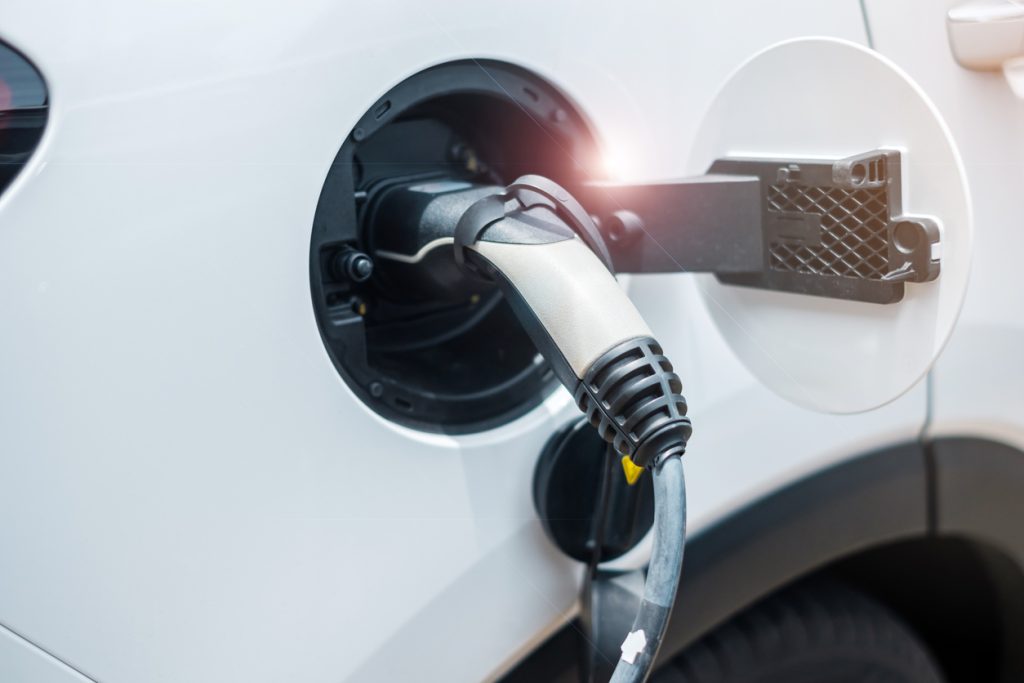
Owning an electric vehicle is becoming a practical option for some Nigerian drivers, but charging remains a major concern. Installing an EV home charger in Nigeria allows vehicle owners to charge conveniently without depending entirely on public charging stations.
For drivers in Lagos, Abuja, and Port Harcourt, home charging can make daily transportation easier. However, electricity availability, installation costs, and electrical safety must be considered before choosing a charging system.
Understanding these requirements helps EV owners avoid expensive installation mistakes and unnecessary charging delays.
Choosing the Right EV Home Charger in Nigeria
Not every electric vehicle requires the same charging equipment. The appropriate charger depends on your vehicle’s specifications, electrical supply, and daily driving distance.
Two common home charging options include:
- Portable chargers: Usually suitable for slower charging when connected to a properly rated electrical outlet.
- Dedicated wall-mounted chargers: Typically provide faster charging and require professional installation.
A 7kW home charger is a popular option for compatible electric vehicles. However, its actual charging performance depends on the vehicle’s onboard charger and available electrical capacity.
Before purchasing equipment, confirm the charging connector, supported voltage, and manufacturer’s recommendations.
How Much Does Home EV Charger Installation Cost?
Installing an electric car charger involves more than purchasing the charging unit.
Your total expenses may include electrical cables, circuit protection, installation labour, and modifications to your existing electrical system.
For example, a homeowner in Lekki with a suitable electrical panel may require fewer modifications than someone whose property needs extensive rewiring.
Installation costs also depend on the distance between the distribution board and parking area.
Request a detailed quotation covering equipment, wiring, protective devices, and labour before committing to installation.
Managing Electricity Supply for Home Charging
Nigeria’s electricity situation makes power availability an important consideration.
In neighbourhoods experiencing frequent outages, relying entirely on grid electricity may create charging difficulties.
Some EV owners explore solar power systems with battery storage to support charging. However, these systems must be properly sized for the vehicle’s energy requirements.
A typical 7kW charger operating for four hours could consume approximately 28kWh of electricity, excluding charging losses.
That represents substantial energy consumption for an average residential solar installation.
An experienced electrical professional should assess your property’s available power capacity before recommending equipment.
Where Should You Install Your EV Charger?
The safest installation location is usually a dedicated parking space with appropriate electrical protection.
For homeowners in Abuja’s Gwarinpa or Lagos’s Victoria Island, this might be a private garage or secured compound.
Consider these practical requirements:
- Protection against rain and excessive moisture.
- Adequate cable length to reach the vehicle.
- Proper earthing and circuit protection.
- Safe positioning away from vehicle movement.
- Convenient access for routine charging.
Avoid using ordinary extension cables as permanent charging connections.
Planning Daily Travel Around Home Charging
Having an EV home charger in Nigeria can simplify commuting, but drivers should still plan longer journeys carefully.
Someone travelling daily between Ikeja and Victoria Island may find overnight charging convenient.
However, interstate journeys require additional preparation because charging infrastructure remains limited across many routes.
Travo.ng provides transport coordination, vehicle hire, and travel support for customers who need alternative mobility arrangements when their electric vehicles are unavailable or unsuitable for particular journeys.
Making Home EV Charging More Practical
Before installing a charger, confirm your vehicle’s compatibility, assess your electricity supply, and hire a qualified installer.
A properly planned charging setup can reduce dependence on public charging facilities and make electric vehicle ownership more manageable.
With reliable home charging and practical transport support from Travo.ng, Nigerian drivers can approach everyday mobility with greater convenience and flexibility.
Is this conversation helpful so far?
