


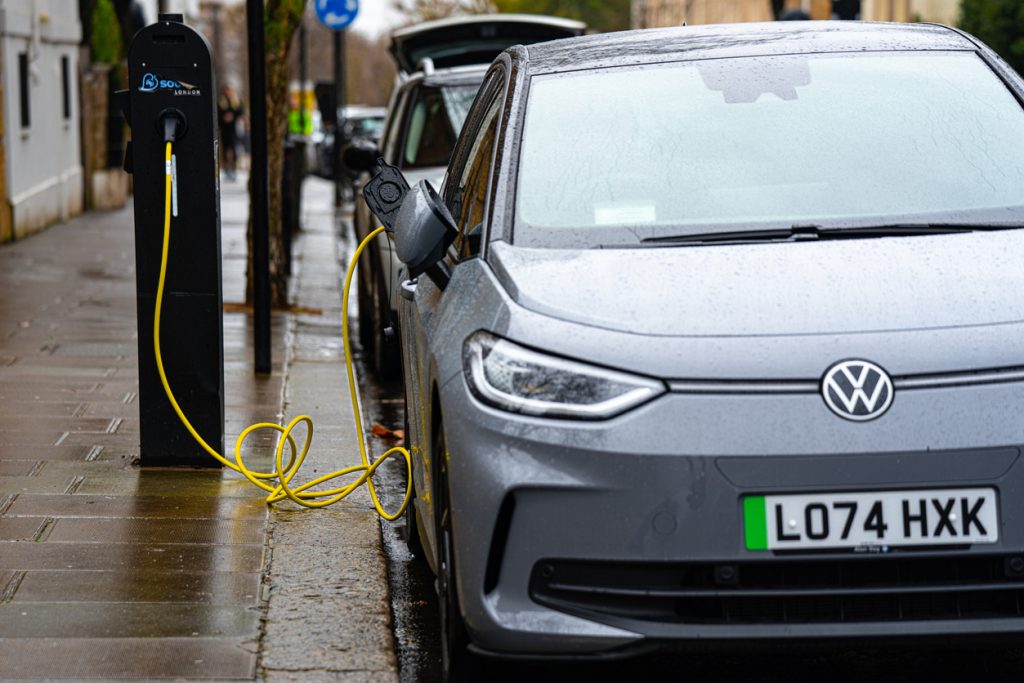
The EV charging network in Nigeria is gradually developing as more individuals and businesses explore electric vehicles as alternatives to petrol-powered cars. However, finding a reliable charging station remains a major concern, especially for drivers travelling between cities.
Unlike conventional vehicles that can refuel at numerous filling stations, electric cars require careful planning around charging availability, battery range, and electricity supply.
For drivers in Lagos, Abuja, and other major Nigerian cities, understanding how charging infrastructure works can make electric vehicle ownership more practical.
Where Can You Find EV Charging Stations in Nigeria?
Electric vehicle charging infrastructure is still limited compared to traditional fuel stations. Most charging facilities are concentrated around major urban centres, commercial properties, and selected private installations.
Lagos and Abuja have attracted interest in electric mobility because of their large vehicle populations and growing demand for alternative transport solutions.
Charging facilities may be available at:
- Selected commercial buildings and business premises
- Electric vehicle dealerships and service centres
- Private residential properties
- Corporate fleet facilities
- Dedicated EV charging locations
However, not every facility provides public access. Drivers should confirm availability, connector compatibility, operating hours, and charging fees before travelling.
Planning Long-Distance Trips With Nigeria’s EV Charging Network
Travelling between Lagos and Ibadan may be manageable for an electric vehicle with sufficient battery capacity. Longer journeys, such as Lagos to Abuja, require more detailed preparation.
A vehicle’s advertised driving range may differ from its actual performance because of road conditions, air conditioning, passenger weight, and driving speed.
Before leaving, drivers should:
- Confirm the vehicle’s realistic battery range.
- Identify verified charging points along the route.
- Check whether charging equipment is operational.
- Allow additional time for charging stops.
- Keep an alternative transport arrangement available.
For business travellers, Travo.ng can help coordinate vehicle hire and transport arrangements when electric vehicle charging limitations make a journey difficult.
How Much Does EV Charging Cost in Nigeria?
Charging expenses depend on electricity tariffs, battery capacity, charging speed, and whether the facility operates commercially.
For example, an electric vehicle requiring 40 kilowatt-hours of electricity would consume approximately 40 units for that charging session, excluding charging losses.
At an illustrative electricity rate of ₦200 per kilowatt-hour, the energy cost would be approximately ₦8,000 before additional service charges.
Actual commercial charging prices may differ significantly.
Drivers using private chargers should also consider installation costs, electricity reliability, and backup power requirements.
Challenges Affecting EV Charging Infrastructure
One major obstacle facing the EV charging network in Nigeria is inconsistent electricity supply.
Charging operators may require solar installations, battery storage, or other backup systems to maintain dependable services.
Other challenges include limited charging locations, equipment maintenance, incompatible connectors, and insufficient charging facilities along interstate highways.
For logistics companies considering electric delivery vehicles, these challenges directly affect route planning and daily operations.
A delivery vehicle operating within Ikeja or Victoria Island may have more predictable charging requirements than one transporting goods between Lagos and Port Harcourt.
Making Electric Vehicle Travel More Practical With Travo.ng
Electric mobility can become increasingly convenient as Nigeria develops additional charging infrastructure.
Until charging facilities become more widely accessible, travellers and businesses should combine careful route planning with dependable transport alternatives.
Travo.ng supports customers through vehicle hire, transport coordination, airport pickups, and business logistics services.
Whether arranging corporate movement in Abuja or coordinating deliveries across Lagos, having flexible transport options helps reduce disruptions.
As the EV charging network in Nigeria expands, proper planning and reliable mobility support will remain essential for drivers and businesses adopting electric vehicles.
Is this conversation helpful so far?
