


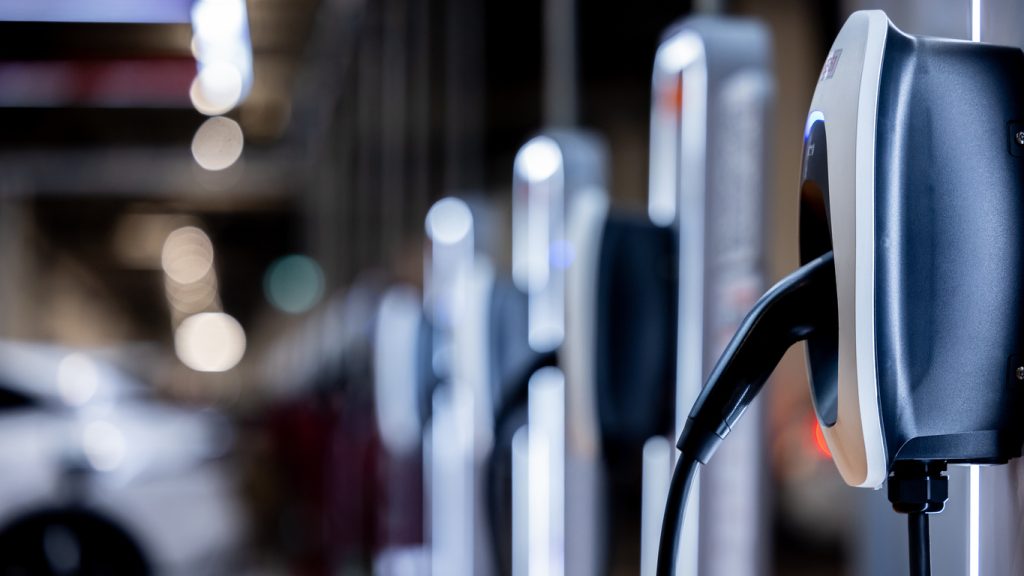
Electric vehicles are gradually gaining attention in Nigeria as drivers and businesses explore alternatives to petrol-powered transportation. However, owning an electric car comes with one important responsibility: finding a reliable way to charge it.
EV charging installation in Nigeria allows vehicle owners to charge conveniently at home, offices, hotels, and commercial locations without depending entirely on public charging stations.
For drivers in Lagos, Abuja, and Port Harcourt, installing a dedicated charging point can make electric vehicle ownership more practical, especially where public charging infrastructure remains limited.
What You Need Before Installing an EV Charger
Installing an electric vehicle charger involves more than purchasing charging equipment and connecting it to electricity.
The first step is assessing the property’s electrical capacity. An electrician must determine whether the existing wiring, distribution board, and available power supply can safely support the charger.
Important considerations include:
- Available electricity supply and voltage requirements
- Charger compatibility with the electric vehicle
- Safe parking space and charging equipment placement
- Proper earthing and electrical protection
- Installation costs and future maintenance
- Backup electricity options during power outages
In Nigerian homes where electricity supply fluctuates, these checks are particularly important.
A qualified installer should complete the electrical assessment before recommending equipment.
How Much Does EV Charging Installation in Nigeria Cost?
The cost depends on the charger type, electrical infrastructure, installation complexity, and location.
A basic residential installation will generally cost less than a commercial charging facility requiring additional electrical upgrades.
Common charging options include:
Portable chargers: Suitable for compatible vehicles and approved electrical outlets, although charging may be relatively slow.
AC wall-mounted chargers: Commonly available in 3.7kW, 7kW, 11kW, and 22kW configurations, depending on the vehicle and electricity supply.
DC fast chargers: Designed for faster charging at commercial facilities, fleet depots, and public charging locations.
For example, a 7kW home charger can theoretically deliver about 28kWh over four hours, although actual charging performance depends on the vehicle and electrical conditions.
Property owners should request an itemised quotation covering equipment, installation labour, wiring, protection devices, and necessary electrical upgrades.
Managing EV Charging During Nigerian Power Outages
Unreliable electricity remains a major consideration for electric vehicle owners.
In Lagos neighbourhoods such as Lekki, Ikeja, and Victoria Island, charging arrangements may differ depending on the building’s power infrastructure.
Some property owners consider solar energy, battery storage, or other backup systems to reduce dependence on public electricity.
However, backup systems must be appropriately sized. A small household inverter may not safely support a high-powered vehicle charger.
Scheduling charging during periods of reliable electricity can also help reduce interruptions.
Installing EV Chargers for Offices and Commercial Properties
Businesses operating electric vehicles need charging arrangements that match their daily transport schedules.
A logistics company managing electric delivery vans, for example, may prefer overnight depot charging rather than interrupting daytime deliveries.
Hotels, shopping centres, and corporate offices may also install charging points for customers and employees.
Before installation, businesses should consider parking availability, vehicle turnaround times, electrical capacity, and charging demand.
Travo.ng supports transport coordination, vehicle hire arrangements, and business logistics planning, helping organisations consider how electric vehicles could fit into their existing operations.
Planning a Reliable EV Charging Setup
Successful EV charging installation in Nigeria starts with selecting suitable equipment and engaging qualified electrical professionals.
Vehicle owners should confirm charger compatibility, assess electricity availability, and understand maintenance requirements before proceeding.
For businesses considering electric fleets, Travo.ng can assist with related transport and logistics coordination while charging installation is handled by qualified specialists.
With proper planning, electric vehicle charging can become a convenient part of everyday transportation in Nigeria.
Is this conversation helpful so far?
